Businesses often face a critical decision when it comes to product presentation and protection: invest in custom packaging or opt for one of its readily available alternatives. This choice extends beyond mere aesthetics; it impacts brand perception, operational costs, supply chain efficiency, and ultimately, customer experience. Custom packaging offers tailored fit, unique branding opportunities, and specialized protection, designed precisely for a product's dimensions and marketing strategy. However, its alternatives present different benefits, primarily revolving around cost-effectiveness, speed to market, and simpler logistics. Understanding the distinct trade-offs inherent in each option is essential for making an informed decision that aligns with specific business objectives, budget constraints, and brand positioning. Before committing, ensure you have a clear understanding of what goes into a custom packaging checklist before ordering.
What to Look For in a Packaging Alternative
When evaluating alternatives to fully custom packaging, several factors dictate suitability. Prioritize these criteria to ensure the chosen solution meets operational and brand requirements without unnecessary compromise.
- Cost Efficiency: Assess not just the per-unit price but also minimum order quantities (MOQs), storage costs, and potential for waste. Alternatives often shine here with lower upfront investment.
- Brand Impact and Recognition: Consider how well the packaging communicates your brand's identity, values, and professionalism. Generic options may require supplementary branding efforts.
- Product Protection: Evaluate the alternative's ability to safeguard your product during transit and storage. An ill-fitting or flimsy solution can lead to damage and returns, negating cost savings.
- Lead Times and Availability: Custom solutions typically demand longer lead times for design, prototyping, and production. Alternatives are often stock items, available for immediate order and faster fulfillment.
- Sustainability Profile: Examine the environmental footprint, including material sourcing, recyclability, reusability, and biodegradability. Some alternatives prioritize eco-friendliness.
- Customer Experience: The unboxing experience contributes to customer satisfaction and loyalty. Even with alternatives, consider how the packaging feels, looks, and functions upon receipt.
- Scalability: Determine if the chosen packaging solution can scale with your business growth, accommodating fluctuating order volumes without significant cost or logistical hurdles.
1. Standard Stock Packaging
Standard stock packaging refers to generic, unbranded boxes, bags, mailers, or containers available off-the-shelf in common sizes and materials. These are mass-produced items designed for universal application, lacking any specific branding elements or custom structural features. Businesses purchase these in bulk, often from large distributors, for purely functional purposes like shipping, storage, or basic product containment.
Key Features: Pre-defined sizes and shapes, common materials (e.g., corrugated cardboard, poly mailers, plain paper bags), no branding, immediate availability.
Pricing: Generally the lowest per-unit cost, especially when purchased in high volumes. Pricing is transparent and readily available from suppliers, with discounts for bulk orders.
Best For: Startups with minimal budgets, businesses prioritizing pure functionality over brand presentation, internal logistics, or products where the packaging is discarded immediately and has no brand-building role.
Pros:
- Significantly lower cost per unit compared to custom options.
- Fastest lead times; often available for same-day or next-day shipping.
- Wide availability from numerous suppliers, reducing supply chain risk.
- Simplifies inventory management due to standardized sizes.
Cons:
- Zero brand differentiation or visual appeal.
- May not offer optimal product fit, potentially requiring void fill.
- Contributes little to the customer unboxing experience.
- Perceived as less premium or professional by customers.
2. Stock Packaging with Labels/Stickers
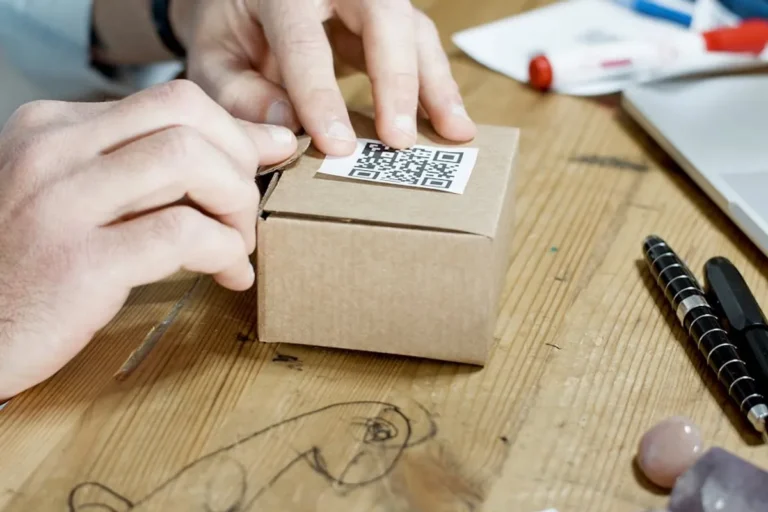
This alternative involves applying custom-designed labels, stickers, or decals to standard stock packaging. It’s a hybrid approach that leverages the cost-effectiveness and availability of generic packaging while introducing essential branding elements. Labels can carry logos, product information, QR codes, or marketing messages, transforming a plain package into a branded one without the expense of custom printing directly onto the material.
Key Features: Stock packaging base, digitally or offset printed adhesive labels, flexible design for labels, variable data printing possible on labels.
Pricing: Moderate. Unit cost comprises the stock packaging plus the cost of labels, which varies by size, material, finish, and print quantity. Label application can be manual (labor cost) or automated (equipment cost).
Best For: Small to medium-sized businesses, e-commerce brands, or seasonal products requiring basic branding on a budget. Ideal for testing new products or limited-edition runs without large custom packaging commitments.
Pros:
- Cost-effective way to add branding to generic packaging.
- Faster setup and production times than fully custom printing.
- Flexibility to change branding or product information easily by updating labels.
- Lower MOQs for labels compared to custom-printed packaging.
Cons:
- Labels can peel, wrinkle, or get damaged, affecting presentation.
- May not cover the entire package, leaving generic areas visible.
- Manual application adds labor time and cost, especially for high volumes.
- Less integrated and premium feel compared to direct printing.
3. Stock Packaging with Custom Inserts or Sleeves
This method involves using standard, readily available outer packaging (like a plain box) but enhancing the interior or exterior with custom-designed inserts or sleeves. Inserts can hold products securely, provide an unboxing sequence, or offer additional branding space. Sleeves, often made of paperboard, slide over a plain box to add full-color graphics and branding without requiring custom printing on the primary package itself.
Key Features: Generic outer packaging, custom-printed paperboard or foam inserts, custom-printed paperboard sleeves, enhanced unboxing experience.
Pricing: Moderate to high, depending on the complexity and material of the inserts/sleeves. The cost includes stock packaging, plus design, printing, and die-cutting for the custom elements. MOQs for inserts/sleeves are typically lower than for custom boxes.
Best For: Brands looking to elevate the unboxing experience and product protection without the full cost of custom-printed boxes. Suitable for gift sets, subscription boxes, or products requiring specific internal organization.
Pros:
- Significantly enhances the unboxing experience and perceived value.
- Provides superior product protection and organization within the package.
- Allows for detailed branding and storytelling on the insert/sleeve.
- More sustainable if the outer stock packaging is reused or recycled easily.
Cons:
- Adds complexity to the packing process due to multiple components.
- Can increase package weight and shipping costs.
- Design and production of custom inserts/sleeves require lead time.
- Higher per-unit cost than labels or plain stock packaging.
4. Reusable or Recycled Standard Packaging
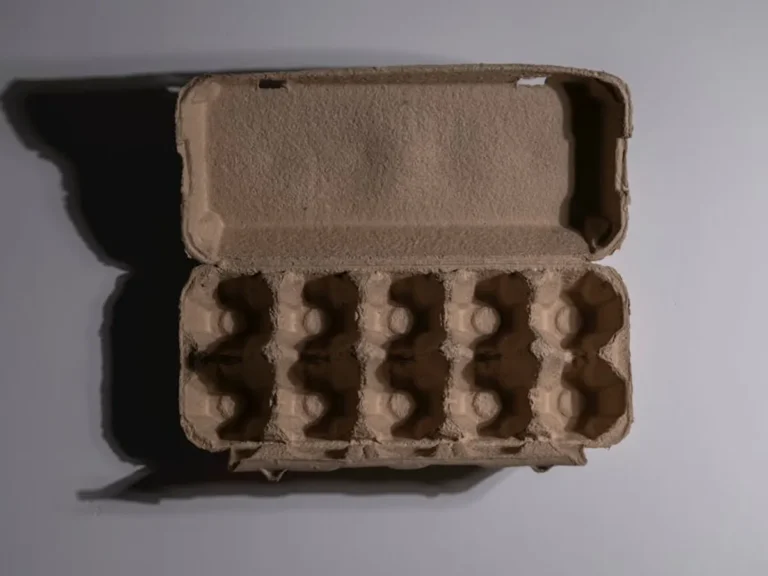
This category focuses on using stock packaging materials that are inherently sustainable, either through their composition (recycled content, biodegradable materials) or their design for reuse. Examples include unbleached recycled cardboard boxes, mailers made from post-consumer waste, or durable, unbranded fabric bags intended for customer reuse. The emphasis is on environmental responsibility rather than unique brand aesthetics, though some suppliers offer eco-friendly options with a natural, minimalist look.
Key Features: Materials like recycled paper, post-consumer plastics, biodegradable films, or durable textiles. Focus on environmental certifications and end-of-life options (recyclable, compostable, reusable).
Pricing: Can be comparable to or slightly higher than conventional stock packaging, depending on the specific eco-friendly material and certifications. Bulk purchasing still offers cost advantages.
Best For: Environmentally conscious brands, businesses targeting eco-aware consumers, or products where sustainability is a core brand value. Also suitable for companies seeking to reduce their carbon footprint in their supply chain.
Pros:
- Appeals to a growing segment of environmentally conscious consumers.
- Reduces environmental impact and supports corporate sustainability goals.
- Can enhance brand perception as responsible and ethical.
- Often aligns with minimalist aesthetic trends.
Cons:
- Material options might be limited compared to conventional packaging.
- May not offer the same level of structural integrity or water resistance as some virgin materials.
- Can sometimes carry a higher unit cost, depending on the specific eco-material.
- Branding options might be restricted to methods compatible with the material (e.g., soy inks).
5. DIY/Hand-Decorated Packaging
DIY or hand-decorated packaging involves purchasing plain, inexpensive stock packaging and then manually adding branding or decorative elements. This can include hand-stamping with custom rubber stamps, hand-painting, tying with twine or ribbon, adding wax seals, or attaching hang tags. This method relies heavily on manual labor and creative effort, making each package potentially unique. It's often employed by artisans or micro-businesses where the personal touch is part of the brand's appeal.
Key Features: Plain stock packaging base, manual application of branding/decoration, use of stamps, inks, ribbons, tags, or handwritten elements. High degree of personalization.
Pricing: Low per-unit material cost, but high labor cost (if time is valued). Investment is in stamps, inks, and decorative accessories rather than large print runs. Scalability is limited by available labor.
Best For: Craft businesses, small Etsy shops, handmade product vendors, artists, or very small-batch producers where the packaging's uniqueness and personal touch are a core part of the brand story.
Pros:
- Extremely low upfront cost for materials.
- Allows for a high degree of personalization and unique artistic expression.
- Conveys a handmade, artisanal, or boutique feel.
- Can be highly flexible for small, variable batches of products.
Cons:
- Extremely labor-intensive and not scalable for high volumes.
- Inconsistent quality and appearance across packages due to manual process.
- Time-consuming, diverting focus from product creation or other business tasks.
- May not appear as professional or polished as commercially printed options.
6. Bulk Unbranded Functional Packaging
This alternative focuses on purchasing large quantities of very basic, unbranded packaging materials primarily for internal use, logistics, or situations where the packaging serves a strictly utilitarian purpose. This might include plain corrugated boxes for shipping large items, industrial stretch film, bubble wrap, packing peanuts, or pallet wrap. The primary goal is protection and containment during transit or storage, with no consideration for external brand presentation to the end consumer.
Key Features: Heavy-duty, durable materials, often industrial-grade. Focus on protection, containment, and logistical efficiency. No branding or aesthetic considerations.
Pricing: Very low per-unit cost due to extreme bulk purchasing and minimal material processing. Often sourced from industrial packaging suppliers.
Best For: Manufacturers, distributors, warehouses, or businesses shipping large, bulky, or industrial products where the outer packaging is purely protective and not part of the consumer experience. Also for internal transfers between facilities.
Pros:
- Maximum cost efficiency for protective and logistical packaging.
- Ensures product safety during bulk transport and storage.
- Readily available in industrial quantities.
- Simplifies purchasing and inventory for functional packaging needs.
Cons:
- Offers no brand recognition or consumer appeal whatsoever.
- Not suitable for direct-to-consumer shipments where brand experience matters.
- Can contribute to environmental waste if not properly recycled post-use.
- May appear overly utilitarian if seen by the end consumer.
7. Minimalist or Zero Packaging
This approach involves significantly reducing or entirely eliminating packaging for certain products, especially when sold directly to consumers in a retail setting or for products that are inherently robust. For example, fresh produce, certain apparel items, or durable goods might be offered with minimal or no outer packaging, relying instead on a small tag, a reusable bag provided by the customer, or the product itself to convey its identity. The focus is on waste reduction, cost savings, and a direct, unmediated customer interaction with the product.
Key Features: Absence of traditional packaging, reliance on product design for protection, small tags or ties for identification, emphasis on reusability or direct product display.
Pricing: Potentially the lowest cost, as it minimizes or eliminates material and production expenses. Any cost would be for minimal tags or reusable carry solutions.
Best For: Products sold in-store where customers bring their own bags, durable goods that don't require protection, bulk items, or brands committed to extreme waste reduction and a minimalist aesthetic.
Pros:
- Significantly reduces packaging waste and environmental impact.
- Lowest possible packaging cost for materials and production.
- Appeals strongly to eco-conscious consumers and minimalist aesthetics.
- Allows the product to be the sole focus without packaging distractions.
Cons:
- Limited product protection during shipping or handling.
- No opportunity for traditional brand storytelling or unboxing experience.
- May not be suitable for fragile, perishable, or hygiene-sensitive products.
- Requires customers to be comfortable with minimal packaging.
How to Choose the Right Alternative
Selecting the optimal packaging alternative requires a strategic evaluation of your business model, product characteristics, target audience, and financial parameters. Start by clearly defining your primary objective: Is it cost reduction, speed, sustainability, or a basic level of branding? For businesses with tight budgets and immediate needs, standard stock packaging with labels offers a quick, affordable entry point into branded presentation. If enhancing the unboxing experience is key without fully custom boxes, consider stock packaging with custom inserts or sleeves. Brands prioritizing environmental stewardship should explore reusable or recycled standard options. For very small-scale operations where a personal touch is paramount, DIY solutions can be effective, provided the labor investment is manageable. Finally, for purely functional or industrial applications, bulk unbranded packaging is the most economical choice, while minimalist approaches suit specific retail or direct-to-consumer models focused on waste reduction. Always balance cost savings with potential impacts on brand perception and product safety. Conduct small trials if possible to gauge customer reaction and logistical feasibility before committing to a large-scale solution.
Frequently Asked Questions
Q: Is custom packaging always more expensive than alternatives?
A: Generally, yes. Custom packaging involves design fees, specialized tooling (like printing plates or die-cuts), and higher per-unit production costs due to smaller batch sizes and bespoke requirements. Alternatives leverage mass production and standardized components, leading to lower unit costs.
Q: Can alternatives still provide a premium unboxing experience?
A: While not as inherently premium as fully custom designs, alternatives like stock packaging with custom inserts or sleeves can significantly elevate the unboxing experience. The key is thoughtful design of the supplementary elements that engage the customer upon opening.
Q: How do lead times for alternatives compare to custom packaging?
A: Alternatives typically have much shorter lead times. Stock packaging can often ship within days. Even with custom labels or inserts, production and delivery are generally faster than the weeks or months required for full custom packaging design, prototyping, and manufacturing.
Q: What are the main sustainability benefits of choosing alternatives?
A: Many alternatives focus on sustainability by utilizing recycled content, biodegradable materials, or designs that facilitate reuse. Minimalist or zero packaging approaches also drastically reduce material consumption and waste. This can align with brand values and consumer expectations for eco-friendly practices.
Q: When should a business consider transitioning from alternatives to custom packaging?
A: Businesses often transition to custom packaging as they scale, establish a stronger brand identity, or need specialized protection for unique products. When sales volumes justify higher MOQs, and the brand seeks a distinct market presence, the investment in custom packaging becomes more viable and impactful.
Start the conversation
Thoughtful disagreement welcomed. Promotional links quietly removed.