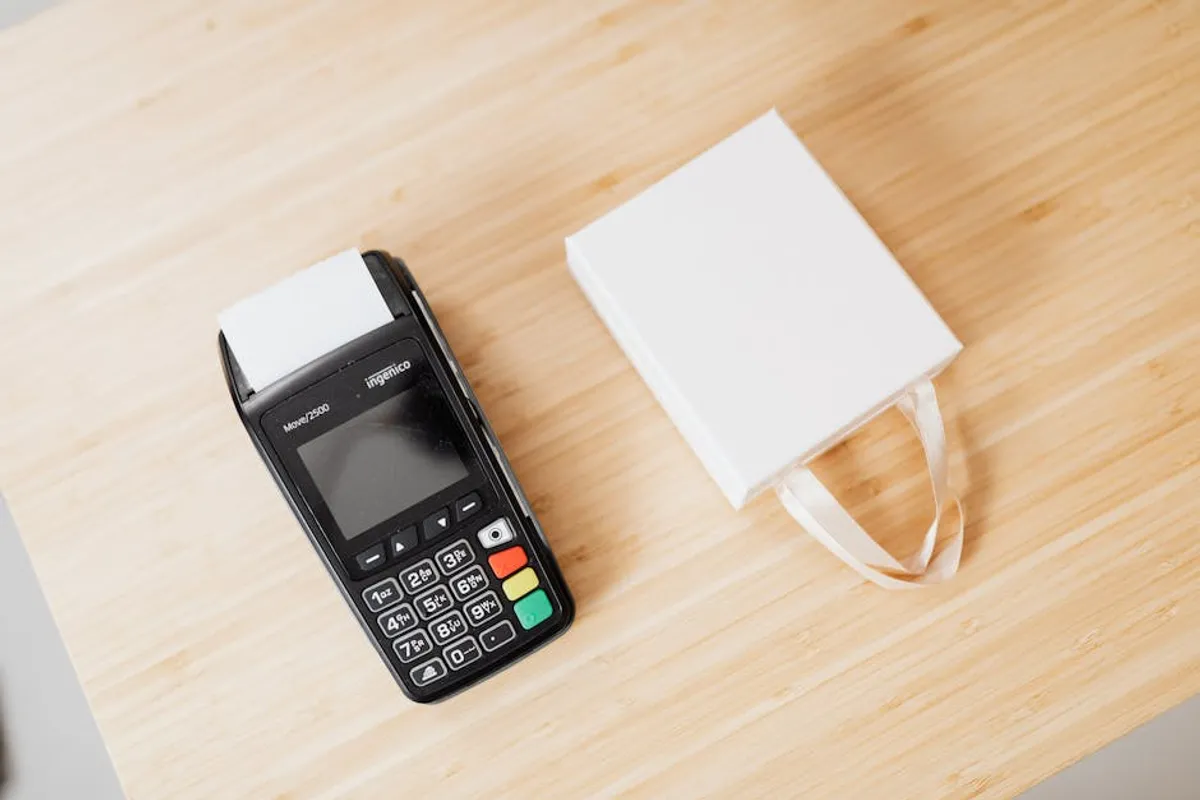
Selecting the appropriate retail bags for a business extends beyond mere packaging; it is a critical component of brand presentation, customer experience, and operational efficiency. The bags a customer carries reflect directly on the brand, influencing perception and reinforcing identity long after they leave the store. Businesses must consider durability, aesthetic appeal, environmental impact, and cost-effectiveness to ensure their choice aligns with both their brand values and their operational budget. This guide outlines the essential factors businesses should evaluate to make informed decisions when sourcing retail bags. Businesses must consider durability, aesthetic appeal, environmental impact and cost-effectiveness to ensure their choice aligns with both their brand values and their operational budget, and our guide on eco-friendly packaging can help with this.
Evaluating Material Options for Retail Bags
The material chosen for retail bags significantly impacts their cost, durability, and perceived quality. Each option presents distinct advantages and disadvantages, requiring careful consideration of product weight, brand image, and environmental objectives.
- Paper Bags: Often favored for their classic appeal and recyclability, paper bags come in several forms.
- Kraft Paper: Available in natural brown or bleached white, kraft paper is known for its strength and tear resistance. Natural kraft conveys an organic, rustic, or eco-conscious image, while bleached kraft offers a cleaner canvas for printing. Recycled content options are widely available, supporting sustainability initiatives.
- Coated Paper (Art Paper): Provides a smoother surface, ideal for high-quality, vibrant graphics and photographic prints. Often used for luxury brands or where visual impact is paramount. It can be laminated for added durability and a glossy or matte finish.
- Plastic Bags: While facing increasing environmental scrutiny, plastic bags offer durability and water resistance at a lower cost.
- High-Density Polyethylene (HDPE): Known for its crinkly texture and high strength-to-weight ratio, HDPE is cost-effective and suitable for lighter items. It can be made with recycled content.
- Low-Density Polyethylene (LDPE): Offers a softer, smoother feel and greater clarity, making it suitable for higher-end applications where a more luxurious touch is desired. It is more tear-resistant than HDPE.
- Fabric Bags: Positioned as premium, reusable options, fabric bags contribute to brand longevity as customers often reuse them.
- Non-Woven Polypropylene (NWPP): A durable, water-resistant, and cost-effective fabric made from spun-bonded polypropylene fibers. It's a popular choice for promotional bags due to its reusability and printability.
- Cotton/Canvas: Offers a natural, high-quality feel. Cotton bags are breathable, strong, and fully biodegradable. They are often associated with sustainable and artisanal brands, though they come at a higher cost.
- Jute/Burlap: A natural fiber known for its rustic texture and strength. Jute bags are highly durable and biodegradable, appealing to brands emphasizing natural or ethical sourcing.
Understanding Bag Styles and Functionality
Beyond material, the style and construction of a retail bag dictate its functionality, capacity, and ergonomic aspects for the customer.
Merchandise Bags: Typically flat, without a gusset, these are suitable for clothing, literature, or flat items. They are generally economical and easy to store.
Tote Bags: Featuring side and bottom gussets, tote bags offer greater capacity and stand upright, making them ideal for bulkier or multiple items. They are common for department stores, boutiques, and gift shops.
Die-Cut Handle Bags: These feature a handle cut directly into the bag material. Common in plastic bags, they offer a clean, integrated look but can be less comfortable for heavy loads.
Patch Handle Bags: Reinforce the die-cut handle area with an additional layer of material, increasing durability and comfort, especially for heavier contents.
Handle Types:
- Twisted Paper Handles: Common on paper tote bags, offering a comfortable grip and a classic look.
- Flat Paper Handles: Economical for paper bags, suitable for lighter items.
- Rope Handles: Often found on premium paper or fabric bags, providing a luxurious feel and high durability.
- Webbing Handles: Typically used on fabric bags, offering exceptional strength and comfort for heavy loads.
Customization for Brand Impact
Customizing retail bags transforms them from simple carriers into mobile advertisements and brand ambassadors. Effective customization reinforces brand identity and enhances customer recall. Customizing retail bags transforms them from simple carriers into mobile advertisements and brand ambassadors, and our buyer guide on custom packaging details how to achieve this.
Printing Methods:
- Flexographic Printing: A cost-effective method for high-volume orders, suitable for simple designs and solid colors on paper and plastic bags.
- Offset Printing: Delivers high-resolution, full-color graphics, ideal for complex designs and photographic images, typically used for paper bags.
- Screen Printing: Best for fabric bags and smaller runs, offering vibrant color saturation and durability for logos and text.
- Hot Stamping: Applies metallic or colored foil to the bag surface, creating a premium, tactile effect often used for luxury branding.
Finishes and Embellishments:
- Lamination: A protective layer (glossy or matte) applied to paper bags, enhancing durability and visual appeal.
- Embossing/Debossing: Creates raised or recessed designs, adding a sophisticated, tactile element without using ink.
- UV Coating: A clear liquid applied to the bag, then cured with ultraviolet light, providing a high-gloss finish and added protection.
Pro Tip: When planning custom printing, always obtain a physical proof or high-resolution digital mockup. Color rendition can vary significantly across different materials and printing processes, and verifying the final look before mass production prevents costly errors and ensures brand consistency.
Practical Considerations: Size, Handles, and Closures
The practical utility of a retail bag is paramount. An ill-fitting bag or one that fails during transport detracts from the customer experience.
Sizing: Determine bag dimensions based on the average size and quantity of products customers typically purchase. Consider vertical clearance for tall items and sufficient width for bulky goods. Offering a range of sizes accommodates diverse product lines.
Handles: Evaluate the typical weight of items carried. For heavy products, reinforced or fabric handles are essential. For lighter goods, integrated or twisted paper handles may suffice. Comfort during transport directly influences customer satisfaction.
Closures: While many retail bags are open-top, some include features like tissue paper, stickers, or even integrated re-sealable strips for added security or presentation. Consider whether the product requires additional protection or privacy.
Navigating Cost and Order Volume
The unit cost of retail bags is heavily influenced by material choice, customization complexity, and order volume. Larger quantities typically yield lower per-unit costs due to economies of scale in manufacturing and printing.
Minimum Order Quantities (MOQs): Custom bags often have MOQs, which can range from a few hundred for simpler designs to tens of thousands for complex, high-volume production. Businesses must balance storage capacity against per-unit savings.
Lead Times: Custom bag production requires lead time, especially for overseas manufacturing or complex designs. Plan purchases well in advance, accounting for design approval, production, and shipping schedules.
Sustainable Choices in Retail Packaging
Consumer demand for environmentally responsible packaging continues to grow. Businesses can align with these values by selecting sustainable bag options.
Recycled Content: Opt for bags made from post-consumer recycled (PCR) materials. This reduces demand for virgin resources and supports recycling infrastructure.
Recyclability: Choose materials that are easily recyclable in local municipal programs. Clearly labeling bags with recycling instructions can encourage proper disposal.
Biodegradability/Compostability: Materials like unlaminated paper, cotton, and jute are biodegradable. Certified compostable bags offer an end-of-life solution where industrial composting facilities are available.
Reusable Bags: Fabric bags (NWPP, cotton, jute) are inherently reusable, reducing waste and providing ongoing brand exposure. Consider offering these as a premium option or for purchase.
Strategizing Your Bag Purchase
Making a strategic choice for retail bags involves synthesizing brand identity, customer needs, operational logistics, and budget constraints. Begin by defining your brand's core message and the desired customer experience. Assess the types and weights of products you sell to determine necessary durability and sizing. Evaluate your budget against the perceived value of customization and material quality. Finally, consider your commitment to sustainability and how that can be reflected in your packaging choices. A well-chosen retail bag is an investment that enhances brand perception and contributes to customer loyalty.
Frequently Asked Questions
What is the most cost-effective option for custom retail bags?
Generally, plastic bags (HDPE or LDPE) with simple flexographic printing offer the lowest unit cost, especially for high-volume orders. Kraft paper bags with single-color printing are also a cost-effective paper option.
How do I determine the correct size for my retail bags?
Measure the dimensions of your largest and most frequently purchased items, adding extra clearance for width and height. Consider offering a small range of sizes to accommodate varying customer purchases without excessive bag waste.
Are "eco-friendly" bags always more expensive?
Not always. While some certified compostable or organic fabric options can be pricier, options like recycled content kraft paper bags or non-woven polypropylene bags offer good sustainability credentials at competitive price points, especially at scale.
What is the typical lead time for custom printed retail bags?
Lead times vary significantly based on material, complexity, and manufacturer location. Domestic production might take 3-6 weeks, while international orders can range from 8-16 weeks. Always confirm lead times with your supplier and plan accordingly.

Start the conversation
Thoughtful disagreement welcomed. Promotional links quietly removed.