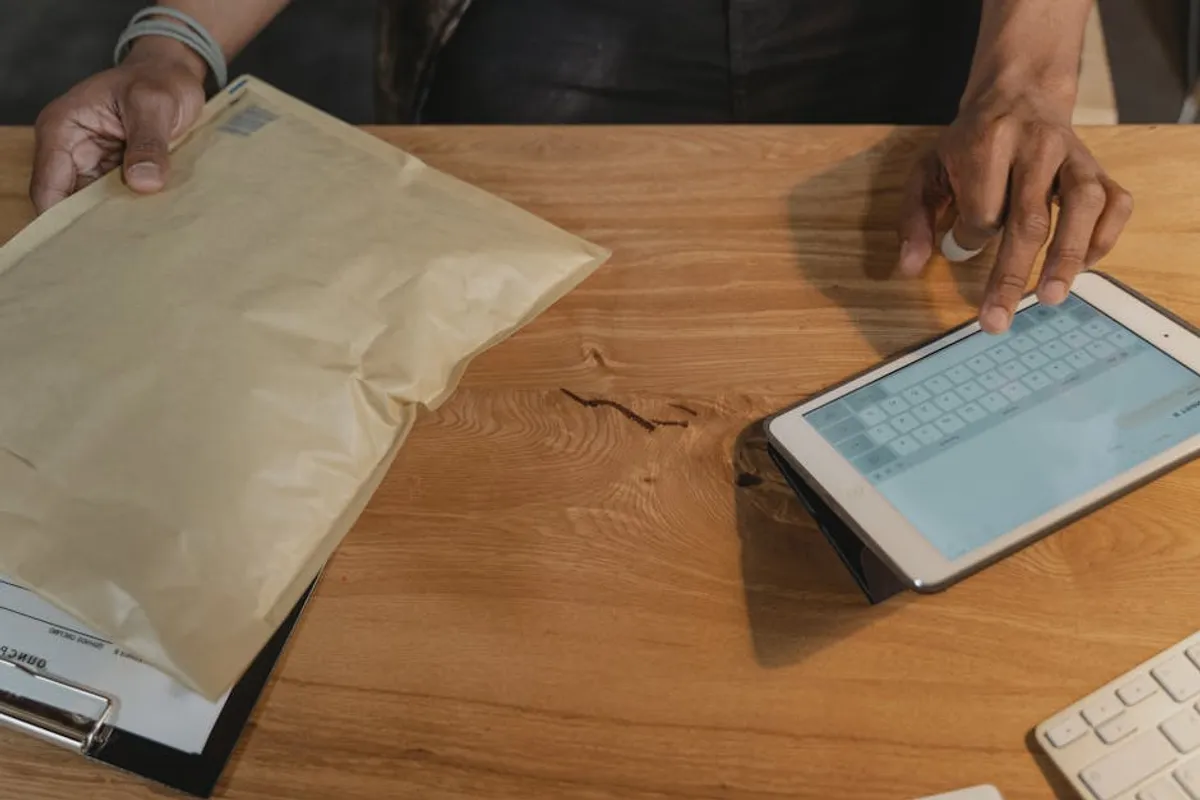
Selecting custom packaging represents a significant investment and a critical branding decision for any business. It goes beyond merely containing a product; it’s an extension of your brand identity, a protector of goods, and often the first physical interaction a customer has with your company. This guide outlines the key considerations and steps involved in procuring custom packaging, helping businesses navigate the options to achieve both functional and aesthetic goals.
Defining Your Custom Packaging Needs
Before engaging with suppliers, a clear understanding of your specific requirements is paramount. This foundational step ensures that subsequent decisions align with both product demands and brand objectives.
Product Protection and Functionality
The primary role of packaging is to safeguard its contents. Consider the product's fragility, weight, size, and environmental sensitivities (e.g., moisture, temperature). A delicate item requires robust cushioning and structural integrity, while a perishable product might need barrier properties or insulation. Evaluate the entire journey the package will undertake, from your facility to the customer's doorstep, including potential drops, vibrations, and varying climate conditions during transit.
Brand Story and Aesthetic
Custom packaging is a tangible representation of your brand. It communicates values, quality, and personality. Determine the desired visual and tactile experience: is it minimalist and elegant, vibrant and playful, or rugged and eco-conscious? This dictates choices in color palettes, typography, finishes (matte, gloss, soft-touch), and overall design complexity. Consistency with your existing brand guidelines is essential for a cohesive market presence. To ensure all these elements are covered, it's wise to consult a comprehensive custom packaging checklist before ordering.
Target Audience and Unboxing Experience
Understand who your customer is and what kind of experience they expect. A luxury brand's customer anticipates a sophisticated unboxing, possibly involving multiple layers, custom inserts, and premium materials. A consumer of an everyday item might prioritize ease of opening and recyclability. The unboxing experience can significantly influence customer satisfaction, social media sharing, and repeat purchases.
Material Selection and Sustainability
The choice of material impacts not only protection and aesthetics but also cost, weight, and environmental footprint.
Common Material Types
- Corrugated Cardboard: Known for strength and cushioning, ideal for shipping boxes and larger items. Available in various flutes (e.g., E, B, C) for different levels of rigidity and printability.
- Paperboard: Lighter and more flexible than corrugated, suitable for retail packaging, folding cartons, and smaller product boxes. Offers excellent print surfaces for intricate designs.
- Flexible Packaging: Includes pouches, bags, and wraps made from films (e.g., polyethylene, polypropylene). Best for food, liquids, and products requiring moisture barriers or vacuum sealing.
- Rigid Boxes: Premium option, often used for luxury goods, electronics, or gift sets. Constructed from thick paperboard wrapped in decorative paper, offering a high-end feel.
- Inserts and Fillers: Materials like foam, molded pulp, shredded paper, or custom-cut cardboard secure products within the outer packaging, preventing movement and damage.
Sustainable Packaging Options
Consumer demand for eco-friendly practices is growing. Businesses can opt for materials that are recycled, recyclable, biodegradable, or compostable. Examples include post-consumer recycled (PCR) content paperboard, plant-based plastics (PLA), or FSC-certified papers. Clearly communicating your sustainable choices on the packaging can resonate with environmentally conscious consumers. Further research into sustainable packaging options can help your business align with these growing consumer demands and environmental values.
Design Considerations and Customization
Effective design integrates visual appeal with structural integrity, ensuring the packaging performs its function while captivating the customer.
Graphic Design and Printing Techniques
Your artwork needs to be adapted for the chosen material and printing method. Common printing techniques include:
- Offset Printing: High-quality, cost-effective for large runs, offering precise color matching (Pantone) and fine detail.
- Digital Printing: Ideal for smaller runs, variable data printing, and quick turnaround times. Less setup cost but higher per-unit cost than offset for large volumes.
- Flexography: Versatile for corrugated and flexible packaging, good for larger areas of solid color.
- Specialty Finishes: Options like spot UV, foil stamping, embossing/debossing, and soft-touch coatings add tactile and visual premiumization. These elevate the perceived value but also increase cost.
Structural Design and Inserts
The physical structure of the packaging is as important as its graphics. This involves selecting the right box style (e.g., tuck-end, auto-lock bottom, mailer box), designing custom cut-outs, or creating inserts that perfectly cradle the product. A well-engineered structural design minimizes material usage, reduces shipping damage, and enhances the unboxing experience.
Pro Tip: Always request physical proofs or samples of your custom packaging. Digital mock-ups can misrepresent color accuracy, material texture, and structural fit. A physical sample allows for a final check on all design elements, product fit, and overall aesthetic before committing to a full production run.
Cost Factors and Budgeting
Custom packaging costs vary widely based on materials, complexity, and order volume. Understanding these factors is crucial for effective budgeting.
Volume and Economies of Scale
Packaging manufacturing often benefits from economies of scale. Larger order quantities typically result in a lower per-unit cost due to reduced setup time and material purchasing efficiencies. Businesses should balance their immediate needs with potential future growth when determining order volumes.
Tooling, Plates, and Setup Fees
Initial costs can include one-time expenses for printing plates (for offset or flexography), cutting dies (for custom shapes), and design setup fees. While these can be substantial upfront, they are typically amortized over the life of the packaging design or subsequent orders, making repeat orders more cost-effective.
Shipping and Fulfillment Costs
Factor in the cost of transporting the finished packaging from the manufacturer to your facility, and then the cost of shipping your packaged product to the end customer. Packaging weight and dimensions directly impact freight expenses. Consider flat-packed options to minimize storage space and shipping costs for the empty packaging.
Supplier Selection and Partnership
Choosing the right packaging partner impacts quality, lead times, and overall project success.
Evaluating Supplier Capabilities
Look for suppliers with a proven track record in your required packaging type. Assess their design capabilities, material sourcing networks, printing technologies, and quality control processes. Request case studies, client testimonials, and examples of their work. A supplier's ability to offer comprehensive services, from design assistance to fulfillment, can streamline the process.
Lead Times and Minimum Order Quantities (MOQs)
Lead times for custom packaging can range from a few weeks to several months, depending on complexity, material availability, and supplier workload. Plan your production schedule accordingly. MOQs vary significantly between suppliers and packaging types; ensure the supplier's MOQ aligns with your business volume to avoid overstocking or insufficient supply.
Sample and Prototyping Process
A reputable supplier will offer sampling and prototyping services. This allows you to physically inspect the packaging, test its fit with your product, and make any necessary adjustments before mass production. This step is critical for avoiding costly errors and ensuring the final product meets expectations.
Optimizing Your Packaging Investment
Successful custom packaging is a strategic asset. By carefully considering product protection, brand representation, customer experience, and cost efficiencies from the outset, businesses can create packaging that not only protects their goods but also elevates their brand and drives customer loyalty. A thorough evaluation of materials, design elements, and supplier capabilities ensures a packaging solution that delivers tangible value.
Frequently Asked Questions
What is the typical lead time for custom packaging orders?
Lead times vary widely based on material availability, design complexity, printing techniques, and the supplier's current production schedule. Simple orders might take 2-4 weeks, while complex designs or specialty materials could require 8-12 weeks or more. Always confirm specific lead times with your chosen supplier.
How can I reduce the cost of custom packaging?
Cost reduction strategies include increasing order volume to benefit from economies of scale, simplifying design elements, choosing standard materials over specialty ones, and opting for fewer colors or less complex printing methods. Using flat-packed designs for shipping and storage can also lower overall expenses.
Can custom packaging be environmentally friendly?
Yes, many suppliers offer sustainable packaging options. These include materials made from post-consumer recycled (PCR) content, biodegradable or compostable plastics, FSC-certified paper, and designs that minimize material use. Inquire about certifications and the environmental impact of different material choices.

Start the conversation
Thoughtful disagreement welcomed. Promotional links quietly removed.