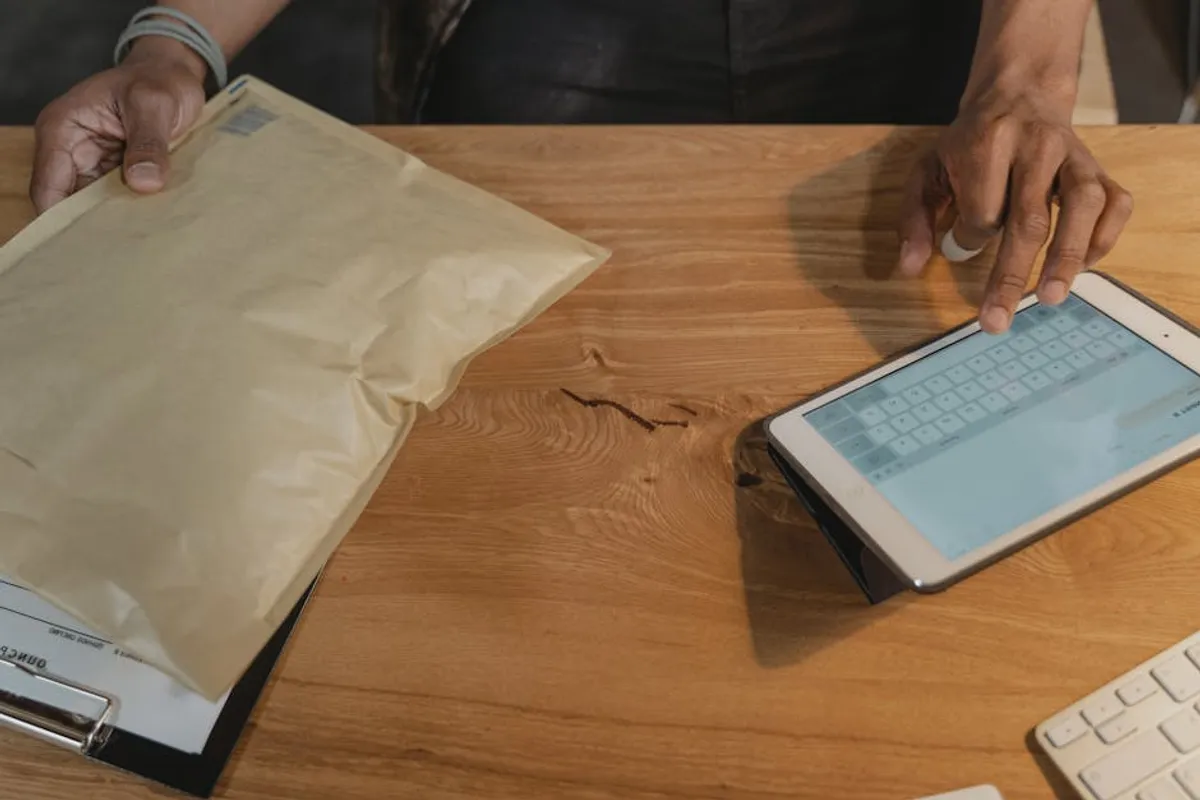
Ordering custom packaging requires meticulous planning to ensure the final product aligns with brand vision, protects contents, and meets budget and timeline constraints. This pre-order checklist outlines critical considerations, moving from initial product assessment through material selection, design preparation, and logistical planning, to minimize errors and optimize the investment.
Defining Your Packaging Needs
Clarity on your product's requirements and your brand's aesthetic is the foundational step. Without precise definitions, subsequent decisions about materials and design will be compromised.
Product Specifications
- Dimensions and Weight: Measure the product's exact length, width, and height. Account for any internal inserts or protective elements. Note the product's weight to determine the necessary load-bearing capacity of the packaging material.
- Fragility and Protection: Assess the product's vulnerability to impact, moisture, or temperature fluctuations. This dictates the need for cushioning, specific material strengths, or barrier coatings.
- Quantity per Package: Determine how many units will be enclosed in each piece of packaging. This impacts internal design, compartment requirements, and overall packaging size.
- Product Material Considerations: If the product is food-related, requires direct contact with the packaging, or has specific chemical properties, ensure the packaging material is compatible and certified (e.g., food-grade, non-toxic).
Brand Identity & Aesthetics
Your packaging is a tangible extension of your brand. Its appearance directly influences customer perception and the unboxing experience.
- Color Palette: Specify exact CMYK or Pantone Matching System (PMS) codes for all brand colors. Understand that digital screens display colors differently than printed materials.
- Logo Placement and Size: Provide vector files of your logo and specify its exact placement, scale, and any required clear space.
- Typography: Supply font files or convert text to outlines to prevent font substitution errors during printing. Ensure legibility at various sizes.
- Desired Unboxing Experience: Outline the emotional journey you want customers to have. This can influence structural design, internal printing, and additional elements like tissue paper or inserts.
- Target Audience Perception: Consider how your packaging will resonate with your demographic. A luxury product will demand different finishes and materials than a value-oriented item.
Material Selection & Sustainability
The choice of material impacts not only protection and aesthetics but also cost, weight, and environmental footprint.
Material Type Considerations
Each material offers distinct properties for protection, print quality, and durability.
- Corrugated Cardboard: Graded by flute type (e.g., E-flute for retail boxes, B-flute for shipping cartons) and board strength (e.g., ECT — Edge Crush Test). Suitable for heavier or more fragile items requiring structural integrity.
- Paperboard: Measured by thickness (points or GSM). Common for retail product boxes, offering smoother print surfaces. Coatings (clay-coated newsback, solid bleached sulfate) affect print quality and moisture resistance.
- Plastics: Used for films, trays, or clamshells. Specify type (e.g., PET, HDPE) and consider recycled content percentages (e.g., rPET) or biodegradability for environmental impact.
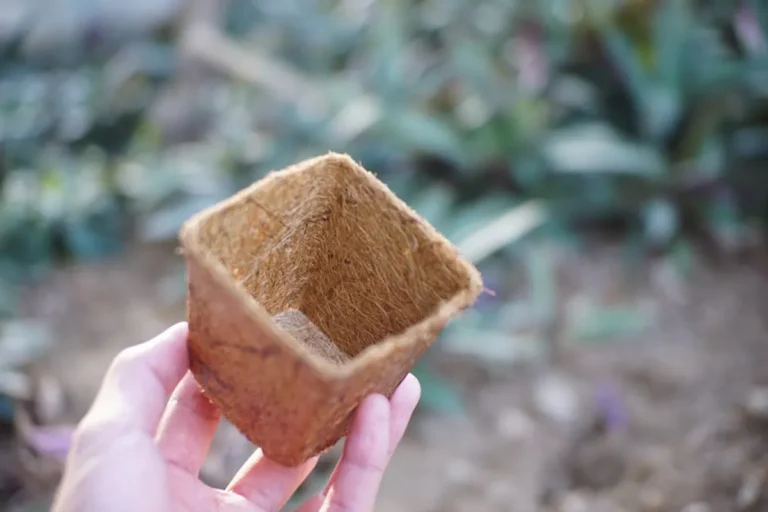
- Sustainable Alternatives: Explore options like mushroom packaging, compostable films, or recycled content materials to align with eco-conscious brand values.
Environmental Impact & Certifications
Transparency regarding sustainability claims is crucial. Verify certifications to avoid greenwashing.
- Recyclability: Confirm the material is accepted by local recycling streams in your target markets. Provide clear recycling instructions on the packaging.
- Biodegradability/Compostability: If claiming these properties, ensure the material meets relevant industry standards (e.g., ASTM D6400 for compostability) and can break down under specified conditions.
- FSC Certification: For paper-based products, Forest Stewardship Council (FSC) certification indicates responsible forest management.
- Recycled Content Percentage: Specify the minimum percentage of post-consumer or post-industrial recycled content required.
Design & Artwork Preparation
Accurate artwork preparation is critical for print quality and avoiding costly re-runs.
File Formats & Resolution
Providing print-ready files in the correct format and resolution prevents distortion or pixelation.
- Vector Files: Logos, line art, and typography should be supplied as vector files (AI, EPS, PDF) to ensure scalability without loss of quality.
- High-Resolution Raster Images: Photographs and complex graphics require a minimum resolution of 300 DPI at 100% print size to appear sharp.
- Bleed and Safety Margins: Include a bleed area (typically 0.125-0.25 inches) beyond the trim line to prevent white edges. Keep critical elements within safety margins to avoid being cut off.
Printing Techniques & Finishes
These choices impact visual appeal, tactile experience, and cost.
- Digital vs. Offset Printing: Digital is cost-effective for smaller runs and variable data. Offset offers superior color accuracy and lower per-unit cost for high volumes.
- Specialty Finishes: Specify desired effects like spot UV (glossy, raised areas), embossing/debossing (raised/recessed designs), or foil stamping (metallic sheen).
- Laminations and Varnishes: Choose between matte, gloss, or soft-touch laminations for surface protection and tactile feel. Varnishes offer a protective coating with various sheens.
Budget, Quantity, and Lead Times
Financial and logistical planning are essential for project feasibility and timely delivery.
Cost Breakdown Factors
A clear understanding of all cost components prevents unexpected expenses.
- Unit Cost vs. Total Order Value: Understand how unit price fluctuates with order volume due to Minimum Order Quantities (MOQs).
- Tooling/Die Costs: Custom shapes or structural designs often require initial tooling or die-cutting plates, which are typically one-time setup fees.
- Shipping Costs: Factor in freight from the manufacturer to your location, including origin, destination, and chosen shipping method (air vs. sea).
- Minimum Order Quantity (MOQ): Be aware of the supplier's MOQ, as ordering below it can significantly increase unit costs or be impossible.
Production & Delivery Timelines
Accurate lead times are crucial for inventory management and product launch schedules.
- Design Approval Phase: Allocate time for iterative design reviews and approvals, as this can be a variable step.
- Sampling/Prototype Production: Account for the time it takes to produce and ship physical samples for final approval.
- Mass Production Duration: Understand the manufacturer's estimated production time for your specific order volume.
- Transit Time and Customs Clearance: Include shipping duration, potential customs delays, and any import duties or taxes.
Pro Tip: Always insist on a physical sample or prototype before authorizing full production, especially for new designs or critical color matching. Digital proofs provide visual context, but only a physical sample confirms material feel, structural integrity, and exact color reproduction under natural light. This step can prevent costly large-scale production errors.
Final Review & Vendor Communication
The final stages involve rigorous quality checks and maintaining transparent communication with your packaging supplier.
Sampling & Prototyping
This is your last opportunity to identify and rectify issues before mass production.
- Importance of Physical Samples: Use the sample to verify dimensions, material thickness, color accuracy, print registration, and overall structural integrity.
- Checking Color Accuracy: Compare the sample against your brand guidelines in various lighting conditions.
- Fit and Durability: Test the sample with your actual product to ensure a snug fit and adequate protection during handling and shipping.
- Iteration Process: Be prepared for potential adjustments based on sample review and allow time for revised samples if necessary.
Clear Communication with Suppliers
Effective communication minimizes misunderstandings and ensures a smooth process.
- Detailed Specification Sheet: Provide a comprehensive document outlining all requirements: dimensions, materials, finishes, quantities, artwork files, and deadlines.
- Quality Control Processes: Inquire about the supplier's internal quality control measures and any certifications they hold (e.g., ISO standards).
- Understanding Return/Reorder Policies: Clarify procedures for defective products, reordering, and minimum quantities for subsequent orders.
Consolidating Your Custom Packaging Order
Before placing your order, compile all finalized specifications, approved artwork, and confirmed timelines into a single, comprehensive document. This master brief serves as the definitive reference for your supplier, minimizing ambiguity and ensuring all parties operate from the same understanding. Confirm payment terms, delivery schedules, and any contingency plans for unforeseen delays. A well-prepared order is the foundation for successful custom packaging that enhances your brand and protects your product.
Frequently Asked Questions
What is the typical lead time for custom packaging?
Lead times vary significantly based on material, complexity, quantity, and supplier location. Simple designs can take 4-6 weeks, while complex projects with specialty finishes or overseas production might require 10-16 weeks. Always confirm specific timelines with your supplier.
How can I ensure color accuracy in my custom packaging?
Provide exact CMYK or Pantone (PMS) color codes. Request a physical press proof or production sample to verify colors on the actual material under various lighting. Understand that colors on different materials or finishes may appear slightly different.
What are MOQs and why do they matter?
MOQ stands for Minimum Order Quantity. This is the fewest units a supplier will produce for an order. MOQs exist because of setup costs (e.g., tooling, plate creation) that are spread across the production run. Ordering below the MOQ is often not possible or incurs significantly higher unit costs.
How do I balance cost with sustainability in custom packaging?
Start by prioritizing sustainable materials that offer necessary protection. Recycled content, mono-materials for easier recycling, and optimized designs that reduce material usage are often cost-effective. Communicate your sustainability goals to suppliers, as they may offer competitive options.

Start the conversation
Thoughtful disagreement welcomed. Promotional links quietly removed.