Businesses face a fundamental decision when bringing products to market: invest in bespoke packaging design or opt for one of many available alternatives. This choice impacts not only immediate costs but also brand perception, product protection, supply chain efficiency, and long-term market position. Custom packaging design involves a dedicated creative process, often with professional designers, to create unique structures and graphics tailored precisely to a product and brand identity. This approach typically yields distinctive, high-impact results but demands significant time and financial investment.
Conversely, alternatives offer varying degrees of cost-effectiveness, speed, and simplicity. These options range from leveraging pre-existing packaging structures with applied branding to relying on digital templates or manufacturer defaults. Understanding the specific trade-offs between custom design and each alternative is crucial for making an informed decision that aligns with a product's lifecycle, target audience, budget constraints, and overall business strategy. The optimal path hinges on balancing brand differentiation with operational realities, ensuring the chosen packaging solution effectively serves both commercial goals and practical requirements.
What to Look For in a Packaging Alternative
When evaluating alternatives to full custom packaging design, several critical factors warrant consideration to ensure the chosen solution meets business objectives without compromising product integrity or brand value. Prioritize these elements to guide your selection process:
- Brand Alignment and Impact: Assess how well the alternative can convey your brand's message, values, and aesthetic. Does it allow for sufficient customization to feel authentic, or will it dilute your brand identity? Consider how it will appear on shelves or in unboxing experiences.
- Cost-Effectiveness: Beyond the sticker price, calculate the total cost of ownership, including design fees, material costs, printing, assembly, and potential waste. Compare these against the perceived value and sales uplift.
- Scalability and Production Volume: Determine if the alternative can accommodate your current and projected production volumes. Some options are ideal for small batches, while others become cost-prohibitive at scale or require high minimum order quantities.
- Product Protection and Functionality: The primary role of packaging is to protect the product. Ensure any alternative provides adequate structural integrity, barrier properties, and ease of use for both the business and the end-consumer.
- Time to Market: How quickly can the packaging be designed, produced, and integrated into your supply chain? Custom design often has longer lead times, while some alternatives offer rapid deployment.
- Sustainability Considerations: Evaluate the environmental footprint of the alternative, including material sourcing, recyclability, biodegradability, and overall waste reduction potential. This is increasingly important for consumer perception and regulatory compliance.
- Design Complexity and Customization Potential: Understand the limits of customization. Can you incorporate unique shapes, intricate graphics, special finishes, or specific functional features? Or are you restricted to basic branding on a standard format?
1. Stock Packaging with Applied Branding
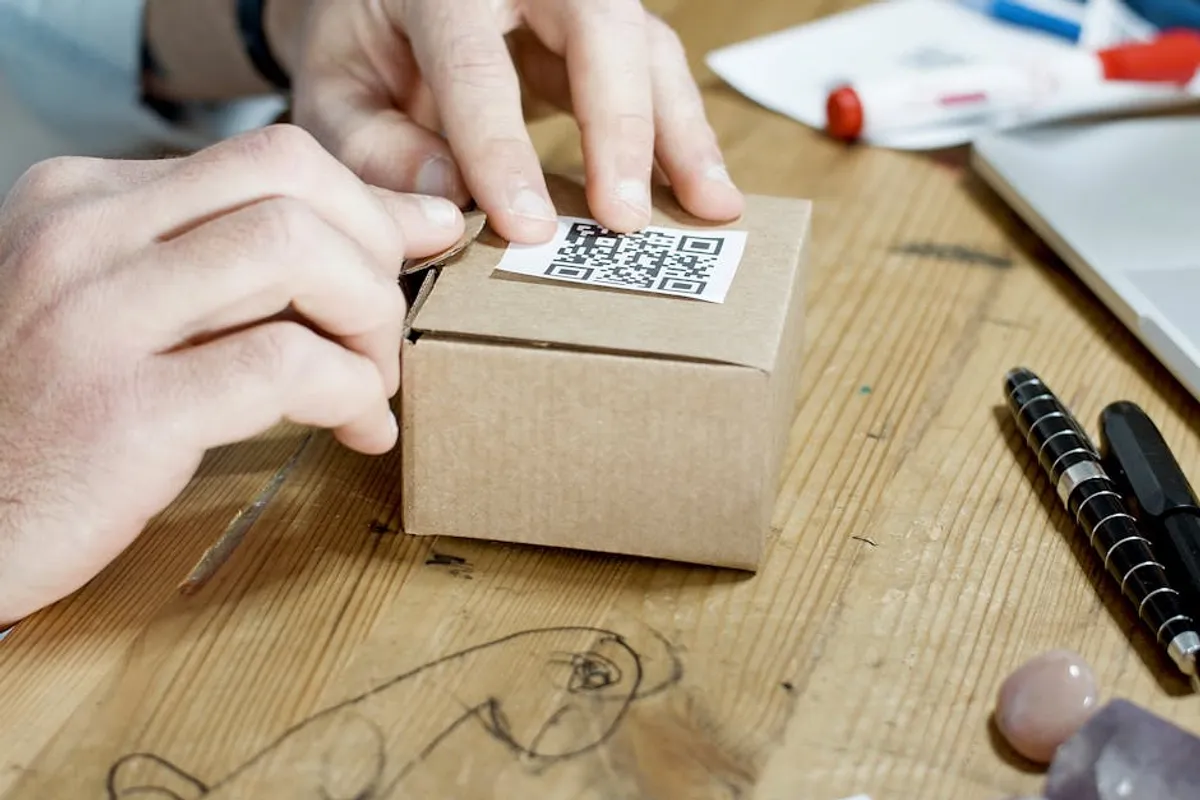
This alternative involves purchasing generic, off-the-shelf packaging components—such as boxes, bags, bottles, or jars—and then applying custom branding elements. These branding elements typically include custom-printed labels, stickers, sleeves, hang tags, or even rubber stamps. The core packaging structure remains standard, while personalization comes from the applied graphics and text. This method allows businesses to achieve a branded look without investing in custom die-cuts, molds, or large-scale printing plates for the primary container.
Key Features:
Standardized packaging forms (e.g., kraft boxes, glass jars, stand-up pouches).
Branding applied post-production via labels, stickers, sleeves, or direct printing methods like stamping.
Wide variety of stock sizes, shapes, and materials available from numerous suppliers.
Often requires manual or semi-automated application of branding elements.
Pricing:
Low upfront costs for stock packaging components.
Label and sticker printing costs vary by quantity, material, and complexity (e.g., digital printing for small runs, flexography for larger).
Overall cost per unit generally lower than full custom packaging, especially for smaller batches.
Best For:
Startups and small businesses with limited budgets.
Products with diverse SKUs requiring flexible branding.
Businesses testing new products or markets.
Companies needing quick turnaround times for packaging.
Brands prioritizing cost control over unique structural design.
Pros:
Rapid deployment and short lead times due to readily available components.
Significant cost savings compared to custom structural design and printing.
Flexibility to update branding elements without re-tooling primary packaging.
Lower minimum order quantities (MOQs) for both stock items and labels.
Reduced design complexity, focusing primarily on graphic application.
Cons:
Limited differentiation in physical form factor; packaging may look generic.
Potential for labels to peel, smudge, or be misaligned if not applied carefully.
Sustainability can be a challenge if labels are not easily separable from recyclable containers.
Less perceived premium quality compared to integrated custom printing.
Labor-intensive for applying labels/sleeves if not automated.
2. Online Design Platforms and Templates
This alternative leverages web-based platforms that offer libraries of pre-designed packaging templates or intuitive drag-and-drop design tools. Users can select a template for a specific packaging type (e.g., box, pouch, label), customize it with their logos, colors, text, and images, and then often order prints directly through the platform. These services democratize packaging design by making professional-looking layouts accessible to individuals without formal design training or expensive software. The focus is on graphic customization within established structural formats.
Key Features:
Extensive libraries of editable packaging templates for various product categories.
Browser-based design interfaces with drag-and-drop functionality.
Integration with print services, allowing for direct ordering of finished packaging.
Tools for uploading custom assets like logos and product imagery.
Often includes basic 3D mock-up views for visualization.
Pricing:
Many platforms offer free basic design tools with paid upgrades for premium templates or features.
Printing costs are typically per unit, with discounts for higher volumes.
Subscription models for advanced design capabilities or unlimited downloads.
Generally more affordable than hiring a professional designer for custom work.
Best For:
Small businesses and entrepreneurs with limited design budgets.
Individuals needing quick, professional-looking packaging for prototypes or small runs.
Products that fit standard packaging dimensions and forms.
Businesses prioritizing speed and ease of design over unique structural innovation.
Pros:
Extremely fast design process, often completed within hours.
No need for specialized design software or expertise.
Cost-effective solution for graphic design on standard packaging.
Direct integration with printing and fulfillment streamlines the process.
Ability to iterate quickly on design variations.
Cons:
Limited structural customization; designs are confined to existing templates.
Potential for designs to look similar to competitors using the same templates.
Quality of print and material can vary depending on the platform's print partners.
Less control over advanced print finishes or unique material choices.
May not be suitable for highly complex products or premium brands requiring bespoke solutions.
3. White-Label Packaging Solutions
White-label packaging involves purchasing pre-manufactured, often unbranded, packaging components that are designed to be easily customized by the buyer. These solutions are distinct from stock packaging with applied branding because the customization is typically integrated into the manufacturing process by the white-label supplier, rather than being a post-purchase application. This can include printing directly onto the packaging material, embossing, or other techniques that make the branding appear inherent to the package. The underlying structure and material specifications are standardized, but the aesthetic branding is tailored to the client.
Key Features:
Pre-designed packaging structures available in various standard forms (e.g., cosmetic jars, supplement bottles, food pouches).
Supplier offers integrated branding services, such as direct printing, labeling, or embossing during production.
Often includes options for specific material types or finishes within the white-label range.
Minimum order quantities (MOQs) are usually higher than for stock items with applied labels but lower than full custom manufacturing.
Pricing:
Unit costs are generally higher than stock packaging with DIY labels but lower than full custom design and production.
Pricing is typically volume-dependent, with significant cost reductions at higher MOQs.
Tooling or setup fees may apply for custom print plates or screens, depending on the supplier.
Best For:
Private label brands and contract manufacturers.
Businesses launching new product lines under an existing brand.
Companies seeking a more integrated and professional look than stick-on labels.
Brands requiring moderate customization without full structural design costs.
Industries with standardized product forms (e.g., beauty, supplements, food & beverage).
Pros:
Achieves a more polished and integrated branded appearance than simple applied labels.
Streamlined procurement, as design and manufacturing are often handled by one supplier.
Reduced design complexity and shorter lead times compared to full custom packaging.
Cost-effective for moderate production volumes.
Ensures consistency across product lines using the same white-label supplier.
Cons:
Limited structural differentiation; the package shape and basic construction are fixed.
MOQs can still be prohibitive for very small businesses or test runs.
Reliance on the supplier's material and finish options.
Potential for competitors to use very similar packaging structures.
May lack the unique tactile or visual impact of truly bespoke packaging.
4. In-House Basic Packaging Design
This alternative involves designing packaging graphics and sometimes even rudimentary structural concepts using internal resources, often without dedicated professional design expertise. A business might use general graphic design software (like Adobe Illustrator or even presentation software), or simple desktop publishing tools, to create artwork for labels, box exteriors, or inserts. The output is then sent to a third-party printer or used for in-house printing. This approach relies on existing staff skills and readily available software, minimizing external design fees.
Key Features:
Utilizes general-purpose graphic design or office software.
Design work performed by existing employees, often without formal training in packaging design principles.
Focus on basic graphic layout, text, and logo placement.
Often involves printing on standard paper, cardstock, or label stock.
Limited to no structural design capabilities; relies on standard box or container dimensions.
Pricing:
Primarily involves opportunity cost of internal staff time.
Software licenses (if applicable) are usually part of existing business expenses.
Printing costs depend on whether it's done in-house (ink, paper) or outsourced.
No direct external design fees.
Best For:
Micro-businesses and hobbyists.
Companies with extremely tight budgets for packaging.
Internal or promotional items where brand image is secondary to function.
Early-stage product testing where packaging is temporary.
Businesses with a strong DIY culture and minimal graphic requirements.
Pros:
Zero external design costs, maximizing budget for other areas.
Complete control over design iterations and changes.
Extremely fast turnaround for design adjustments.
Leverages existing internal skills and software.
Ideal for very small batches or one-off packaging needs.
Cons:
Risk of unprofessional or amateurish appearance impacting brand perception.
Lack of expertise in print production, material science, or structural engineering can lead to errors.
Limited access to specialized print finishes or advanced packaging materials.
Time-consuming for non-designers, diverting focus from core business activities.
Scalability issues if demand grows beyond in-house printing capabilities.
5. Manufacturer's Default Packaging
This alternative involves utilizing the standard, often generic, packaging provided by the product manufacturer or supplier, with little to no customization. This is common for components, bulk goods, or products where the end-user is another business (B2B) rather than a retail consumer. The packaging is designed primarily for protection, transportation, and basic identification, not for brand building or consumer appeal. It typically features the manufacturer's branding, part numbers, and essential safety information, but not the reseller's or end-product brand's identity.
Key Features:
Standardized, often utilitarian, packaging supplied directly by the product manufacturer.
Focus on protection, logistical efficiency, and basic product identification.
Minimal to no branding space for the reseller or end-product company.
Materials are typically chosen for cost-effectiveness and durability, not aesthetic appeal.
Often includes manufacturer's logos, batch codes, and regulatory information.
Pricing:
Effectively "free" as the cost is embedded in the product's purchase price.
No additional design, material, or printing costs for the business.
Potential for cost savings by avoiding repacking or rebranding efforts.
Best For:
B2B components or raw materials.
Products sold in bulk where individual packaging is not required.
Internal use or non-retail applications.
Businesses with a strong focus on price leadership where packaging aesthetics are irrelevant.
Dropshipping models where products are shipped directly from the manufacturer.
Pros:
Lowest possible packaging cost, as it's included with the product.
Eliminates all packaging design and procurement efforts.
Fastest time to market, as no packaging development is needed.
Guaranteed to fit and protect the product as intended by the manufacturer.
Reduces inventory management complexity for packaging materials.
Cons:
No opportunity for brand differentiation or consumer engagement.
Can appear generic, uninspired, or even cheap to end-consumers.
Lack of control over packaging materials or sustainability features.
May not meet specific retail display requirements or consumer expectations.
Missed opportunity for marketing and storytelling through packaging.
6. Minimalist Functional Packaging
This approach prioritizes essential protection and utility over elaborate design or extensive branding. It often involves using simple, unprinted, or subtly branded materials that are chosen for their environmental impact, cost-effectiveness, or ability to protect the product without visual distraction. The "design" is inherent in the material choice and structural simplicity, often emphasizing recyclability, biodegradability, or reduced material usage. Branding, if present, is typically understated, perhaps a small logo or a single color print, letting the product or the material speak for itself.
Key Features:
Emphasis on raw, natural, or recycled materials (e.g., kraft paper, corrugated cardboard, glass).
Limited or no graphic printing; when present, it's often single-color or debossed.
Simple structural forms, often standard boxes, wraps, or pouches.
Focus on product protection, ease of opening, and sustainable attributes.
Often communicates brand values through material choice rather than complex visuals.
Pricing:
Material costs can vary; recycled or specialty sustainable materials might be higher, but lack of printing reduces overall cost.
Lower design costs due to simplicity.
Often cost-effective due to reduced material and printing processes.
Can be more expensive if sourcing highly specialized eco-friendly materials.
Best For:
Eco-conscious brands and products.
Brands targeting minimalist aesthetics.
Products where the intrinsic value or quality is the primary selling point.
Companies aiming for reduced waste and a smaller environmental footprint.
Subscription boxes or e-commerce brands where the unboxing experience is curated differently.
Pros:
Strong appeal to environmentally aware consumers.
Can convey authenticity and transparency.
Often reduces material usage and waste.
Simpler production process and potentially faster lead times.
Can be highly cost-effective for materials like plain cardboard or paper.
Cons:
Limited visual impact on crowded retail shelves.
May be perceived as "cheap" or unfinished by some consumers if not executed thoughtfully.
Requires a strong brand story or product quality to compensate for minimal visual branding.
Less opportunity for intricate product information or marketing messages on the package.
Structural limitations if the product requires complex protection.
7. Print-on-Demand Custom Packaging
Print-on-demand (POD) custom packaging services allow businesses to order fully customized packaging in very small quantities, sometimes even single units. Unlike traditional custom packaging that requires large minimum order quantities (MOQs) for cost-efficiency, POD leverages digital printing technology to make short runs economically viable. This means businesses can get unique designs, full-color graphics, and even variable data printing on a per-order basis, without the need for plate setup or large inventory commitments.
Key Features:
Digital printing technology enabling full-color, high-resolution graphics on various packaging substrates.
No minimum order quantities or very low MOQs.
Ability to print variable data (e.g., personalized messages, unique codes) on each package.
Often integrated with e-commerce platforms for automated ordering.
Wide range of customizable packaging types, from boxes to mailers to labels.
Pricing:
Higher unit cost compared to bulk traditional printing, but no large upfront investment.
Pricing is often tiered based on quantity, with slight reductions for higher volumes.
No setup fees for print plates.
Can include design services or template customization for an additional fee.
Best For:
E-commerce businesses with diverse product offerings or personalized products.
Subscription box companies requiring unique packaging for each shipment.
Brands testing new designs or product variations without inventory risk.
Limited edition product runs or seasonal promotions.
Businesses prioritizing flexibility and rapid design changes.
Pros:
Extremely low MOQs, reducing inventory risk and waste.
High degree of customization and personalization potential for each unit.
Rapid prototyping and design iteration capabilities.
Eliminates the need for large storage space for packaging inventory.
Ideal for businesses with unpredictable demand or highly varied product lines.
Cons:
Higher cost per unit compared to large-volume offset printing.
Lead times can sometimes be longer than expected for complex orders.
Limited options for specialized finishes (e.g., embossing, spot UV) or unique materials compared to traditional methods.
Quality can vary between different POD providers.
May not be cost-effective for consistently high-volume products.
How to Choose the Right Alternative
Selecting the optimal packaging solution requires a strategic evaluation of your specific business context. Begin by clearly defining your budget constraints: how much can you realistically allocate per unit for packaging? Next, consider your brand identity and

Start the conversation
Thoughtful disagreement welcomed. Promotional links quietly removed.