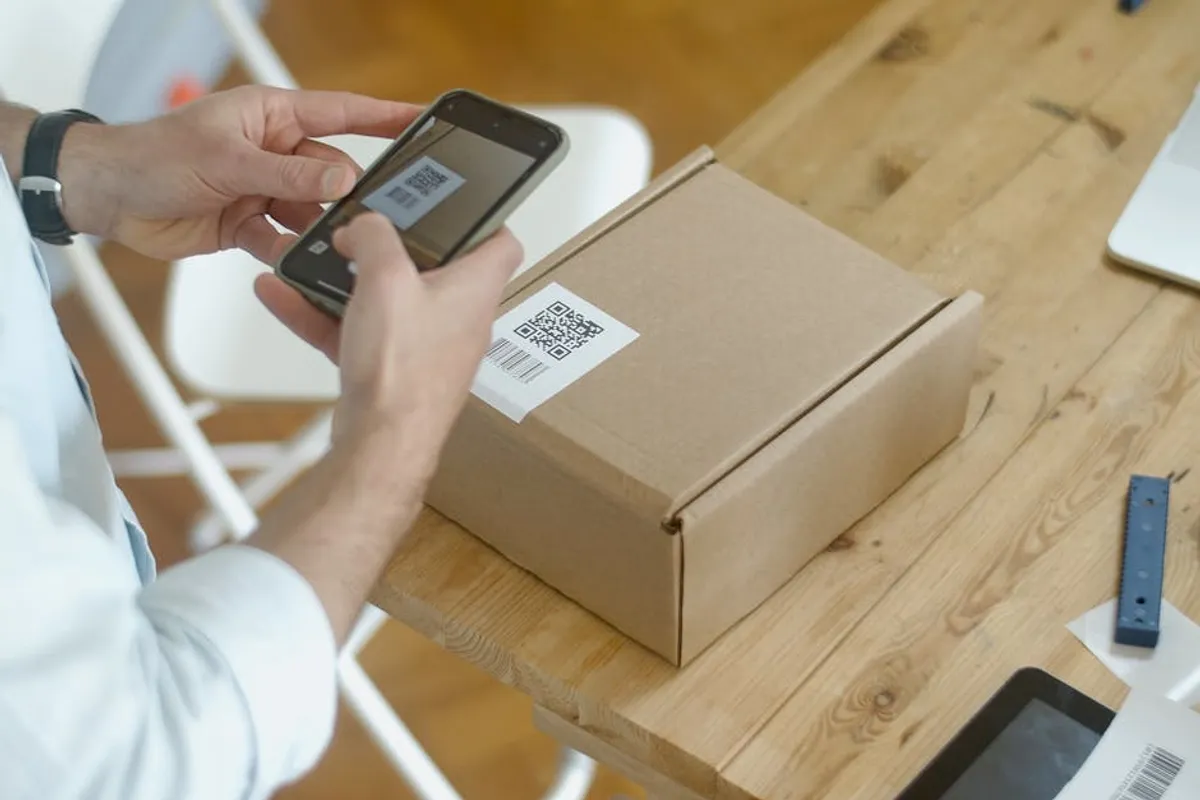
For businesses, packaging design extends beyond aesthetics; it functions as a critical touchpoint influencing brand perception, market differentiation, and operational efficiency. This guide outlines the essential considerations for businesses evaluating packaging design options, from initial needs assessment to selecting the right design partner and understanding project deliverables. The objective is to equip decision-makers with a framework for making commercially sound choices that align design investment with strategic business goals.
Defining Your Packaging Design Requirements
Before engaging with any design service, a clear internal assessment of your specific needs is paramount. This foundational step ensures that subsequent design efforts are targeted and effective, preventing misaligned outcomes and costly revisions.
Understand Your Brand and Market Position
Packaging must visually articulate your brand's core identity and value proposition. Consider your brand's tone (e.g., premium, playful, sustainable), existing visual assets, and how you want to be perceived against competitors. Your target audience's demographics, psychographics, and purchasing habits directly influence design choices, from color palettes and typography to material selection and unboxing experience.
- Brand Identity: Existing logos, color schemes, and fonts.
- Target Audience: Age, income, lifestyle, and preferences.
- Competitive Landscape: How your packaging needs to stand out or fit in.
- Brand Story: What narrative should the packaging convey?
Product Specifications and Protection Needs
The physical characteristics of your product dictate fundamental packaging requirements. Delicate items demand robust protection, while shelf-stable goods might prioritize visual appeal and cost-efficiency. Consider the product's size, weight, fragility, and any specific environmental sensitivities (e.g., light, moisture, temperature). Evaluate the entire supply chain, from manufacturing and shipping to retail display and consumer use, to ensure the design is functional at every stage.
Key considerations include:
- Protection: Cushioning, sealing, tamper-evidence.
- Material Compatibility: Ensuring the packaging material does not react with the product.
- Shelf Life: Packaging's role in preserving product integrity.
- Storage & Shipping: Stackability, weight, dimensions, and resistance to transit damage.
Budget and Production Scale
Your allocated budget directly impacts material choices, design complexity, and the type of design partner you can engage. Similarly, the volume of products requiring packaging influences production methods and unit costs. High-volume production often benefits from designs optimized for automated assembly and cost-effective materials, while limited runs might allow for more bespoke, premium solutions. Factor in not just design fees, but also prototyping, material costs, printing, assembly, and potential re-tooling.
Pro Tip: A detailed design brief is the single most effective tool for ensuring project success. It should encompass your brand guidelines, product specifics, target audience insights, budget parameters, timeline, and any specific functional or aesthetic requirements. Ambiguity in the brief often leads to scope creep and unsatisfactory outcomes.
Evaluating Packaging Design Service Providers
Businesses typically choose between freelance designers, specialized design agencies, or hybrid models. Each option presents distinct advantages and cost structures.
Freelance Designers
Best for: Smaller businesses, specific project needs, budget-conscious projects, or when a unique artistic style is prioritized.
Freelancers often offer more competitive rates and direct communication. They can be highly specialized in niche areas (e.g., sustainable packaging, luxury goods). However, their capacity is limited to a single individual, and they may not offer the comprehensive strategic or technical support of a larger agency. Vetting portfolios for relevant industry experience and confirming their understanding of production processes is crucial.
Design Agencies
Best for: Larger projects, comprehensive brand strategy integration, complex technical requirements, or when multiple design iterations and strategic input are needed.
Agencies typically provide a broader range of services, including market research, branding strategy, structural design, graphic design, and production liaison. They offer a team of specialists, ensuring expertise across various design facets. While generally more expensive, agencies can deliver integrated solutions and manage complex projects from concept to production. Evaluate their client roster, case studies, and the depth of their strategic approach.
Key Considerations When Selecting a Partner
Beyond the type of provider, specific criteria help differentiate potential design partners.
Portfolio Relevance and Specialization
Review their past work for projects similar in scope, industry, and aesthetic to your own. A designer with experience in food packaging may not be the best fit for electronics, and vice-versa. Look for designs that demonstrate an understanding of both visual appeal and functional execution.
Process and Communication
Inquire about their design process: how they conduct discovery, present concepts, manage feedback, and handle revisions. Clear communication channels, defined milestones, and a structured workflow are indicators of a professional and reliable partner. Understand how intellectual property rights will be handled.
Technical Expertise and Production Knowledge
A strong packaging designer understands not just aesthetics, but also materials science, printing techniques, and manufacturing processes. They should be able to specify appropriate materials, provide accurate dielines, and communicate effectively with your chosen packaging manufacturer. This technical fluency prevents design concepts that are impractical or excessively costly to produce.
Cost Structure and Deliverables
Obtain a detailed proposal outlining all costs, including design fees, revisions, licensing, and any additional services. Clarify what deliverables you will receive (e.g., 2D artwork files, 3D renders, physical prototypes, dielines, print-ready files). Ensure the agreement specifies ownership of the final design files.
Strategic Wrap-up: Securing Your Brand's Visual Future
Investing in professional packaging design is an investment in your brand's market presence and operational efficiency. By systematically defining your needs, thoroughly vetting potential partners, and focusing on clear communication, businesses can secure packaging solutions that protect products, captivate consumers, and reinforce brand value. The right design moves products, builds recognition, and ultimately contributes to commercial success.
Frequently Asked Questions
How much does professional packaging design cost?
Costs vary significantly based on project complexity, designer experience, and deliverables. Freelancers might charge from a few hundred to several thousand dollars per project, while agencies can range from several thousand to tens of thousands, or even more, for comprehensive solutions.
How long does the packaging design process typically take?
A simple design project might take 2-4 weeks, while complex projects involving structural design, multiple iterations, and prototyping can extend to 2-4 months or longer. The timeline depends heavily on the scope, client responsiveness, and the chosen designer's workflow.
What files should I expect to receive from my packaging designer?
You should expect high-resolution, print-ready vector files (e.g., AI, EPS, PDF) for graphic artwork, dielines, and potentially 3D renders or mock-ups. Ensure you receive files suitable for various printing methods and future adaptations.
How can packaging design contribute to sustainability goals?
Designers can integrate sustainable practices by recommending recyclable, compostable, or recycled materials, optimizing designs to reduce material usage, minimizing void space for efficient shipping, and using eco-friendly inks or production processes.


Start the conversation
Thoughtful disagreement welcomed. Promotional links quietly removed.