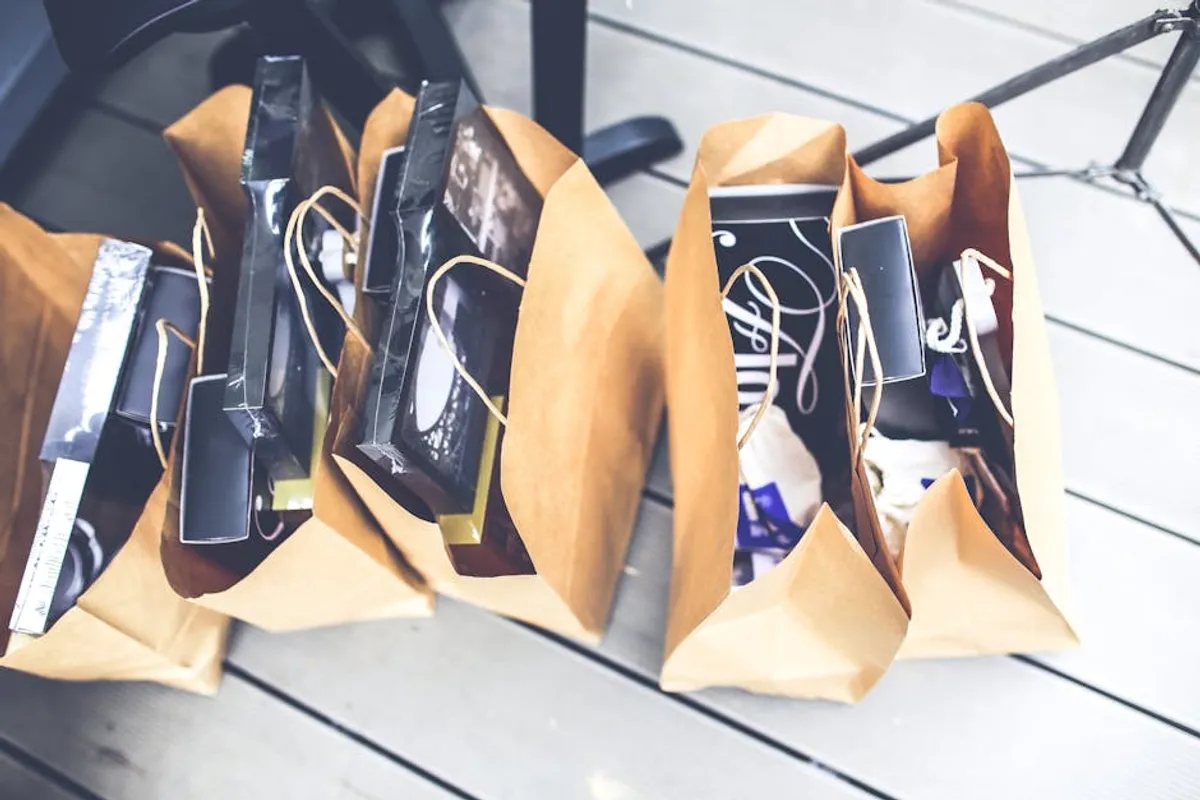
Ordering retail bags involves more than selecting a size and color; it's a strategic decision impacting brand perception, operational efficiency, and customer experience. Each bag serves as a mobile advertisement and a final touchpoint in the purchasing journey. A structured approach ensures the bags align with your brand identity, meet functional requirements, and fit within budget constraints. This checklist outlines the critical considerations before you place your next retail bag order, helping to prevent costly errors and secure a product that truly represents your business. Making informed custom packaging decisions requires careful consideration of your brand's unique needs and goals.
Defining Your Bag's Purpose and Brand Alignment
Before engaging with suppliers, clarify the fundamental role your retail bags will play. This foundational step dictates subsequent choices regarding materials, size, and customization.
Understanding Functional Needs
The primary function of the bag is to safely transport purchased items. Consider the typical contents your customers will carry:
- Weight: Heavy items like books or canned goods require stronger materials and handle reinforcements.
- Dimensions: Products with unusual shapes or significant volume necessitate specific bag sizes or gusset designs.
- Fragility: Delicate items may benefit from bags with greater rigidity or an interior structure that prevents crushing.
- Quantity: If customers frequently purchase multiple items, a larger capacity bag or a multi-bag solution might be necessary.
Failing to account for these practical aspects can result in bags that tear, are difficult to carry, or don't accommodate purchases, leading to customer dissatisfaction and wasted inventory.
Reflecting Brand Identity
Your retail bag is an extension of your brand. Its design should communicate your brand's values and aesthetic. This includes:
- Color Palette: Consistent use of brand colors reinforces recognition. Specify Pantone Matching System (PMS) codes for accurate reproduction.
- Logo Placement and Size: Ensure your logo is prominent, legible, and sized appropriately for the bag's dimensions.
- Material Choice: A luxury brand might opt for thicker, coated paper with a matte finish, while an eco-conscious brand might prioritize recycled kraft paper or organic cotton.
- Sustainability Message: If sustainability is core to your brand, ensure the bag's material, recyclability, or reusability clearly conveys this.
A well-designed bag enhances the unboxing experience and reinforces brand recall, turning a utilitarian item into a marketing asset.
Material Selection and Durability Considerations
The choice of material impacts not only the bag's appearance and feel but also its strength, environmental footprint, and cost.
Common Material Options
Retail bags are available in a variety of materials, each with distinct properties:
- Paper Bags:
- Kraft Paper: Natural, unbleached look; cost-effective; available in brown or white. Suitable for brands emphasizing natural or rustic aesthetics.
- Coated Paper: Smoother surface, allowing for higher-quality printing and vibrant colors. Often used for fashion or premium goods.
- Recycled Content Paper: Offers an eco-friendly option, often with a slightly textured finish.
- Plastic Bags:
- LDPE (Low-Density Polyethylene): Flexible, softer feel; common for general merchandise.
- HDPE (High-Density Polyethylene): Crinkly texture, stronger per mil, often used for grocery or heavier items.
- Recycled Plastic/Bioplastics: Options for reducing environmental impact, though availability and cost can vary.
- Non-Woven Polypropylene Bags: Durable, reusable, often used for promotional events or as a premium reusable shopping bag.
- Cotton/Jute Bags: Highly durable, reusable, and biodegradable options, often associated with artisanal or eco-conscious brands.
Best for: Evaluating material options based on product weight, brand image, and desired reusability.
Environmental Impact
With increasing consumer awareness, the environmental profile of your bags is a significant factor. Consider:
- Recyclability: Can the bag be easily recycled in common waste streams?
- Biodegradability/Compostability: Does the material break down naturally?
- Post-Consumer Recycled (PCR) Content: Bags made with PCR material reduce the demand for virgin resources.
- Reusability: Durable bags encourage customers to reuse them, extending their marketing reach.
Clearly communicating the environmental attributes of your bags can resonate positively with your customer base.
Sizing, Handle Types, and Structural Integrity
These elements are crucial for the bag's functionality and the customer's carrying comfort.
Optimal Sizing Strategy
Avoid a 'one-size-fits-all' approach. Instead, consider a range of sizes that accommodate your product offerings without excessive waste or insufficient capacity. Standard sizes are often more cost-effective, but custom dimensions may be necessary for unique products. Ensure the bag can hold items without stretching, tearing, or leaving too much empty space, which can make contents shift and potentially damage them.
Handle Ergonomics and Strength
Handles must be comfortable to hold and robust enough for the bag's intended load:
- Twisted Paper Handles: Common for paper bags, offering a balance of strength and cost.
- Flat Paper Handles: Integrated into the bag, often seen on smaller, lighter-duty paper bags.
- Ribbon Handles: Provide a premium feel, often used for high-end retail.
- Die-Cut Handles: Integrated holes in plastic bags, suitable for lighter items.
- Rope Handles: Durable and comfortable, frequently used on laminated paper bags for a luxury aesthetic.
Test handle comfort and strength, especially for bags intended to carry heavier items.
Reinforcements and Gussets
To enhance durability and capacity:
- Bottom Inserts: Cardboard or plastic inserts at the base prevent sagging and provide a flat surface for products.
- Side Gussets: The folds on the side of the bag that expand to increase volume. Ensure they are sized appropriately for your products.
- Top Turnovers: A folded-over top edge on paper bags adds strength and a finished look.
These structural elements contribute significantly to the bag's perceived quality and functional lifespan.
Customization and Printing Specifications
Accurate artwork and printing specifications are essential for brand consistency and visual appeal.
Logo and Artwork Requirements
Provide high-resolution, vector-based artwork for your logo and graphics (e.g.,.AI,.EPS,.PDF files). Raster images (e.g.,.JPG,.PNG) can pixelate when scaled, resulting in blurry prints. Specify exact color codes using the Pantone Matching System (PMS) to ensure consistent color reproduction across different print runs and materials.
Printing Methods
The printing method affects cost, detail, and color vibrancy:
- Flexography: Cost-effective for larger runs, good for simple designs and solid colors on various materials.
- Offset Printing: Offers high-resolution and precise color matching, ideal for complex graphics and photographic images, often used for premium paper bags.
- Screen Printing: Suitable for smaller runs and specific effects, often used on non-woven or fabric bags.
Discuss the best method with your supplier based on your artwork complexity and budget.
Finishing Touches
Beyond printing, various finishes can elevate your bag's appearance:
- Lamination: Adds a protective layer (matte or gloss) and enhances durability, common on paper bags.
- Spot UV: Applies a glossy, raised clear coating to specific areas, creating a contrast with a matte finish.
- Embossing/Debossing: Creates a raised (embossing) or recessed (debossing) tactile effect, often for logos or patterns.
These details can significantly impact the perceived luxury and quality of the bag.
Budgeting, Lead Times, and Logistics
Practical considerations around cost, timing, and storage are crucial for a smooth ordering process.
Cost Drivers
Several factors influence the final cost per bag:
- Quantity: Higher volumes generally yield lower per-unit costs due to economies of scale. Understand Minimum Order Quantities (MOQs).
- Material: Premium or specialized materials (e.g., organic cotton, laminated paper) are typically more expensive.
- Customization: Complex printing, multiple colors, and elaborate finishes increase costs.
- Shipping: Freight costs can be substantial, especially for large, bulky orders or international shipments.
Obtain detailed quotes that itemize these factors.
Production and Delivery Timelines
Lead times for custom retail bags can range from a few weeks to several months, depending on complexity, quantity, and supplier location. Plan orders well in advance, especially for seasonal peaks or promotional events. Inquire about standard production times, shipping durations, and any options for expedited orders (and their associated costs).
Storage and Inventory Management
Consider the logistical implications of receiving and storing your bags. Large quantities require significant warehouse space. Establish reorder points to ensure you never run out, balancing storage costs with the risk of stockouts.
Quality Control and Sample Approval
Ensuring the final product meets your expectations requires diligent quality checks.
Pre-Production Samples
Pro Tip: Always request a physical pre-production sample of your custom retail bag. Digital proofs are useful for layout and color approval, but only a physical sample can accurately convey material feel, print quality, handle strength, and overall construction. This step is critical for identifying and correcting issues before mass production, preventing costly reorders or unusable inventory.
Review the sample for correct colors (against PMS swatches), accurate logo placement, material quality, handle attachment, and overall structural integrity. This is your last chance to make adjustments before the full order is produced.
Post-Delivery Checks
Upon receiving your order, conduct a thorough inspection. Check a representative sample of bags for consistency in printing, color, size, and material. Look for defects such as misprints, tears, or faulty handles. Document any discrepancies immediately and communicate them to your supplier.
Actionable Steps for Your Next Retail Bag Order
Approaching your retail bag order with a clear strategy minimizes risk and maximizes impact. Begin by defining the bag’s core purpose and how it reflects your brand. Prioritize material selection based on both functional needs and environmental goals. Pay close attention to structural details like sizing, handles, and reinforcements to ensure durability and customer comfort. Meticulously review all customization and printing specifications, leveraging pre-production samples for final approval. Finally, integrate budgeting, lead times, and storage into your planning to ensure a seamless logistical process. This systematic approach transforms a simple purchase into a strategic investment in your brand's presence and customer satisfaction.
Frequently Asked Questions
What is the typical lead time for custom retail bags?
Lead times vary significantly based on material, customization complexity, order volume, and supplier location. Generally, expect anywhere from 4-6 weeks for basic custom paper bags to 12-16 weeks for highly customized or imported options. Always confirm specific timelines with your chosen supplier.
How do Minimum Order Quantities (MOQs) affect pricing?
MOQs are the smallest number of units a supplier will produce for a custom order. Meeting or exceeding MOQs typically results in a lower per-unit cost due to efficiencies in setup and production. Orders below the MOQ may incur higher unit prices or might not be accepted by all manufacturers.
What are the most eco-friendly retail bag options?
Eco-friendly options include bags made from recycled content (e.g., post-consumer recycled paper or plastic), biodegradable materials, or highly durable, reusable fabrics like organic cotton or jute. The "most" eco-friendly choice often depends on local recycling infrastructure and the bag's end-of-life considerations.
Can I get a sample before placing a large order?
Most reputable suppliers offer pre-production samples, either digital proofs, physical unprinted samples, or fully customized physical samples. While digital proofs are often free, physical custom samples may incur a fee, which is sometimes credited back to the main order. Always request a physical sample to verify quality before mass production.


Start the conversation
Thoughtful disagreement welcomed. Promotional links quietly removed.