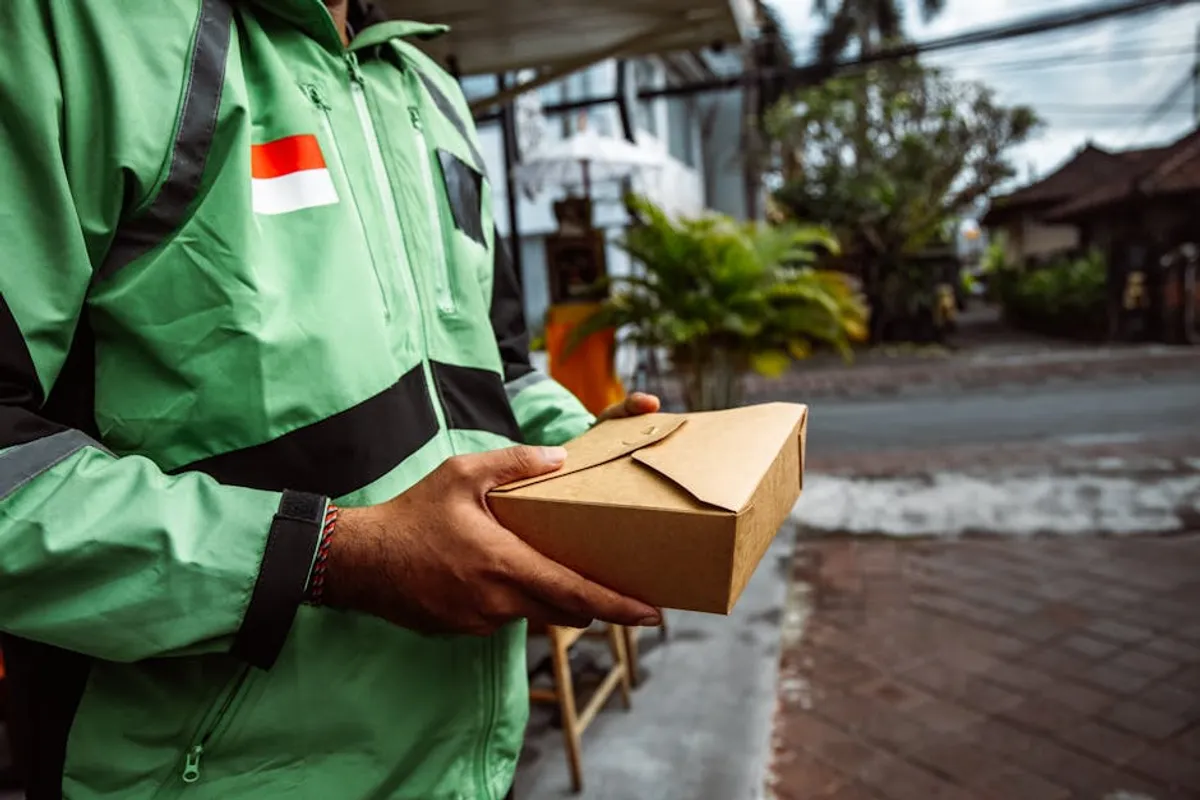
Ordering food packaging involves more than selecting an appealing design; it requires a detailed, systematic approach to ensure product integrity, regulatory compliance, and brand consistency. A comprehensive checklist before committing to a purchase minimizes costly errors, streamlines production, and ultimately protects your product and reputation. This guide outlines the critical considerations to evaluate, ensuring your packaging performs optimally from the production line to the consumer's hands.
Understanding Your Product's Core Needs
The foundation of effective food packaging begins with a thorough understanding of the product it will contain. Mismatched packaging can compromise food safety, reduce shelf life, and lead to product damage.
Product Type and Physical State
Different food types demand specific packaging properties. A dry good like pasta requires moisture protection, while a liquid sauce needs a leak-proof seal and structural integrity. Frozen foods necessitate materials that withstand extreme cold without becoming brittle or cracking. Hot-fill products require heat-resistant materials that maintain stability during processing. Delicate items, such as baked goods, often need rigid structures and cushioning to prevent breakage during transit.
Shelf Life and Preservation Requirements
The desired shelf life dictates the barrier properties of your packaging. Oxygen Transmission Rate (OTR) and Moisture Vapor Transmission Rate (MVTR) are critical metrics. High-barrier films, for instance, prevent oxygen ingress, which slows oxidation and spoilage for oxygen-sensitive products like nuts or coffee. Moisture barriers prevent staleness in crackers or absorb excess moisture from fresh produce. Consider Modified Atmosphere Packaging (MAP) if extending shelf life without preservatives is a priority, as this requires specific film permeability and sealing capabilities.
Portioning and Consumption Method
How consumers interact with your product informs packaging design. Single-serve portions for on-the-go consumption require convenient, easy-open features. Family-sized packs need robust closures for repeated use. Microwaveable meals require materials certified for microwave safety and designed to vent steam. Pour spouts, reclosable zippers, or tear notches enhance user experience and reduce food waste, directly impacting repeat purchases.
Evaluating Material and Structural Design
Material choice and structural design are interdependent, influencing protection, presentation, and cost.
Material Selection and Properties
Common materials include paperboard, various plastics (PET, PP, PE), glass, and metal. Each offers distinct advantages and limitations:
- Paperboard: Lightweight, printable, often recyclable, suitable for dry goods or secondary packaging. Limited barrier properties unless coated or laminated.
- Plastics: Versatile in form (films, trays, bottles), offer excellent barrier properties, clarity, and flexibility. Considerations include recyclability, plasticizer migration, and heat resistance.
- Glass: Chemically inert, provides excellent barrier, premium feel, and is widely recyclable. Heavy and fragile, increasing shipping costs and breakage risk.
- Metal (aluminum, steel): Exceptional barrier to light, oxygen, and moisture; durable and recyclable. Often used for cans and foils.
Assess factors like rigidity, transparency, chemical resistance, and compatibility with your product's pH level. For sustainable options, investigate recycled content, compostability certifications, and sourcing from responsibly managed forests.
Structural Design and Functionality
The physical form of the packaging impacts its utility. Consider the shape for optimal product fit and protection. Closures must be secure yet easy to open and reclose. Stackability is crucial for efficient storage and transportation, both in your warehouse and on retail shelves. Ergonomics, such as ease of handling and pouring, contribute significantly to customer satisfaction. Prototyping and testing are essential to validate structural integrity before mass production.
Pro Tip: Always request physical samples and conduct real-world tests with your actual product before committing to a large order. Visuals and digital mock-ups alone cannot reliably predict performance under conditions like transport, refrigeration, or consumer handling. Verify seal integrity, material compatibility, and overall durability.
Navigating Regulatory Compliance and Safety
Food packaging is subject to stringent regulations to ensure consumer safety and accurate product information.
Food Contact Materials Regulations
Ensure all packaging materials are certified as food-safe by relevant authorities (e.g., FDA in the US, EU regulations in Europe). Request documentation from suppliers confirming compliance with specific food contact material guidelines. This includes avoiding substances that could migrate into food and ensuring materials are manufactured under Good Manufacturing Practices (GMP).
Mandatory Labeling Requirements
Beyond branding, packaging must convey critical information. This includes nutritional facts, ingredients, allergen declarations, net weight, country of origin, manufacturer details, and best-by/expiration dates. Ensure your graphic design accommodates all mandatory elements clearly and legibly, adhering to specific font sizes and placement rules.
Sustainability Certifications
If making sustainability claims, ensure they are verifiable. Certifications like FSC (Forest Stewardship Council) for paper products, BPI (Biodegradable Products Institute) for compostable plastics, or specific recycled content verifications provide credibility. Avoid greenwashing by substantiating all environmental claims with official documentation.
Considering Logistics and Supply Chain Factors
Packaging decisions extend beyond the immediate product to encompass the entire supply chain.
Storage and Transportation
Packaging must withstand the rigors of your supply chain. Consider palletization requirements, maximum stacking strength, and whether the packaging needs to endure specific temperature and humidity ranges during storage and transit. Fragile packaging increases the risk of damage, leading to waste and customer complaints. Optimize dimensions to maximize freight efficiency and minimize shipping costs.
Filling and Sealing Process Compatibility
Assess how the packaging integrates with your production line. Is it designed for manual packing, or is it compatible with automated filling, sealing, and labeling equipment? Incompatible packaging can lead to bottlenecks, increased labor costs, and product waste. Discuss equipment specifications with your packaging supplier to ensure seamless integration.
Minimum Order Quantities (MOQs) and Lead Times
Packaging suppliers often have MOQs, particularly for custom designs or specialized materials. Understand these requirements and plan your order volumes accordingly to avoid overstocking or running out. Lead times for design, prototyping, production, and delivery can vary significantly, often ranging from several weeks to months. Factor these timelines into your production schedule to prevent delays.
Assessing Cost Implications and Budgeting
While unit cost is a factor, a holistic view of packaging expenditure is essential.
Unit Cost vs. Total Cost of Ownership
Beyond the per-unit price of the packaging itself, consider tooling costs for custom molds or dies, printing plate charges, and shipping expenses. Account for potential costs associated with packaging failures, such as product spoilage, returns, or reputational damage. Labor costs for packing and sealing also contribute to the total cost of ownership, making automation compatibility a financial consideration.
Prototyping and Testing Costs
Investing in prototypes and conducting thorough testing, including drop tests, shelf-life studies, and consumer trials, is a crucial preventative measure. These costs are minimal compared to the expense of a product recall or widespread packaging failure after launch.
Negotiating with Suppliers
Understand how volume affects pricing; larger orders typically yield lower unit costs. Explore payment terms, potential discounts for early payment, and long-term contract benefits. A strong relationship with a reliable supplier can also lead to design optimizations and cost-saving suggestions.
Finalizing Your Packaging Strategy
A meticulous approach to food packaging procurement ensures that your product is not only protected but also presented effectively and compliantly. By systematically addressing product needs, material properties, regulatory requirements, logistical considerations, and financial implications, businesses can make informed decisions that support brand growth and operational efficiency. Engage early and collaboratively with packaging experts to leverage their knowledge and avoid common pitfalls.
Frequently Asked Questions
What is the typical lead time for custom food packaging orders?
Lead times vary significantly based on material, complexity, and supplier workload. Standard custom orders can range from 6-12 weeks, while highly specialized designs or materials may take 12-20 weeks or longer, especially if new tooling is required. Always confirm exact timelines with your supplier.
How can I ensure my food packaging is genuinely food-safe?
Request comprehensive documentation from your packaging supplier, including Food Contact Notifications (FCNs), Certificates of Conformance (CoC), and Material Safety Data Sheets (MSDS). Verify that the materials comply with relevant national and international food safety regulations, such as FDA Title 21 or EU Regulation 10/2011.
What are the most common mistakes businesses make when ordering food packaging?
Frequent errors include neglecting thorough product testing with the chosen packaging, underestimating lead times, failing to account for regulatory labeling requirements, and prioritizing low unit cost over total cost of ownership (which includes shipping, waste, and potential damage). Inadequate communication with suppliers is also a common pitfall.
Are sustainable food packaging options always more expensive?
Initially, some sustainable materials or processes may have a higher unit cost due to specialized manufacturing or lower production volumes. However, costs are decreasing as demand rises. Furthermore, factors like reduced shipping weight, enhanced brand perception, and avoidance of future regulatory penalties can offset upfront expenses, making sustainable options more cost-effective in the long term.



Start the conversation
Thoughtful disagreement welcomed. Promotional links quietly removed.