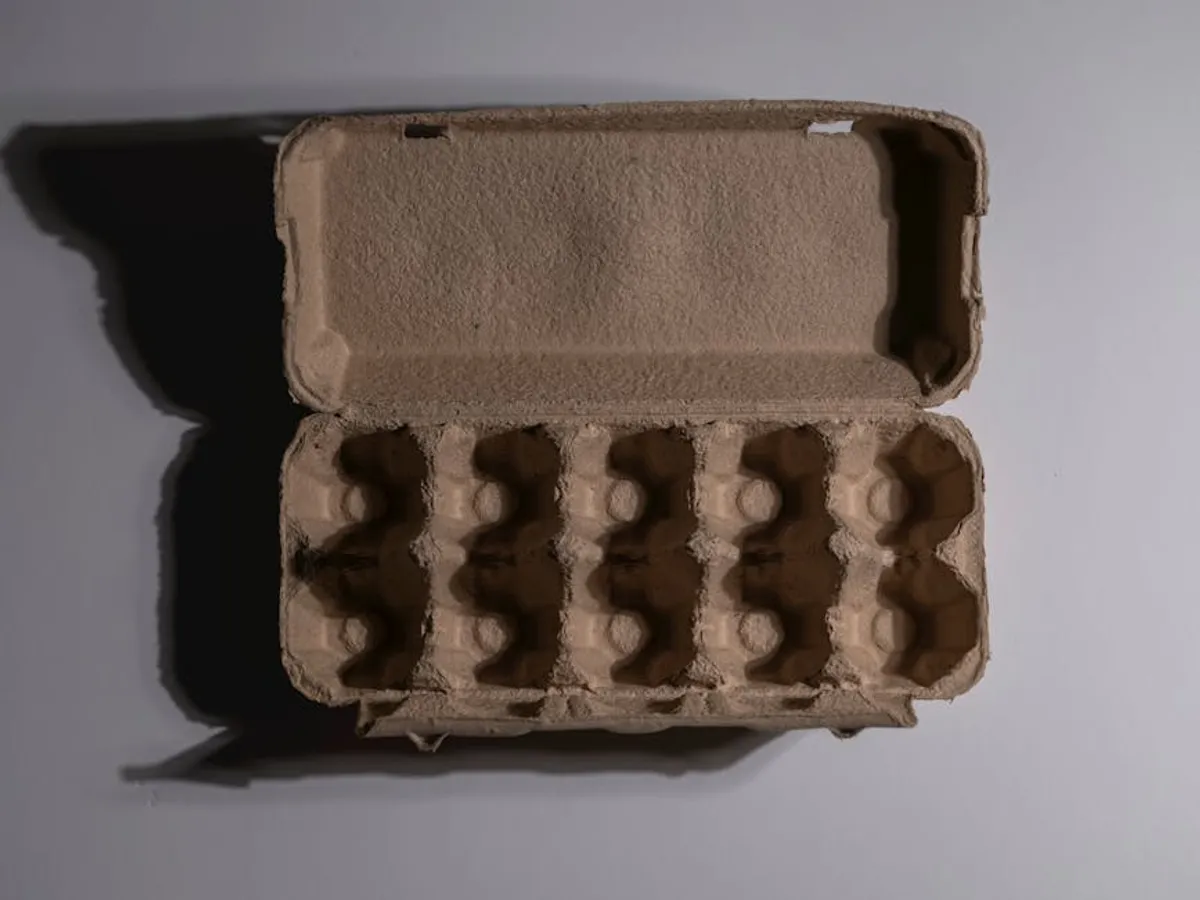
Navigating the landscape of compostable packaging involves more than simply selecting an eco-friendly label. Businesses aiming to transition to sustainable packaging must meticulously evaluate materials, certifications, and logistical considerations to ensure their investment genuinely aligns with environmental goals and operational requirements. A misstep can lead to packaging that fails to perform, cannot be properly composted, or misleads consumers, undermining brand reputation and sustainability efforts. This checklist provides a structured approach to ordering compostable packaging, focusing on the critical details that impact functionality, compliance, and commercial viability.
Understanding Compostability Certifications
The term "compostable" is often used broadly, but specific certifications delineate what can genuinely break down in industrial or home composting environments. Without proper certification, packaging labeled "compostable" may not be accepted by composting facilities or could contaminate compost streams.
Key Certification Bodies and Standards
Compliance with established standards is non-negotiable. These certifications confirm that a material will disintegrate and biodegrade within a specific timeframe under controlled conditions, leaving no toxic residues.
- BPI (Biodegradable Products Institute): Primarily for North America, BPI certification signifies that a product meets ASTM D6400 or D6868 standards for industrial composting. This means the packaging will break down in a commercial composting facility, which operates at higher temperatures and with specific microbial balances.
- TÜV AUSTRIA (OK Compost Industrial/Home): A globally recognized certification, TÜV AUSTRIA offers distinct labels for industrial and home composting. "OK Compost Industrial" aligns with European standard EN 13432, similar to ASTM D6400. "OK Compost Home" is crucial for products intended for backyard composting, as it verifies breakdown under lower, less stable temperatures.
- Seedling Logo (European Bioplastics): This logo indicates compliance with EN 13432, confirming industrial compostability within the European market. It's often seen alongside TÜV AUSTRIA's industrial certification.
Industrial vs. Home Compostable
Distinguishing between these two categories is paramount for consumer education and proper disposal. Industrial composting facilities maintain specific heat, moisture, and aeration levels to accelerate decomposition. Home composting, by contrast, relies on ambient conditions, which are typically cooler and less consistent. Packaging certified "home compostable" will degrade in a backyard pile, while "industrial compostable" packaging requires commercial infrastructure to break down effectively. Mislabeling or misunderstanding this distinction can lead to compostable materials being sent to landfills.
Material Selection and Performance Considerations
The choice of compostable material directly impacts packaging performance, product protection, and shelf life. Not all compostable materials offer the same barrier properties or structural integrity.
Common Compostable Materials
A range of bioplastics and fiber-based materials are available, each with distinct characteristics:
- PLA (Polylactic Acid): Derived from renewable resources like corn starch, PLA is transparent and rigid, often used for clear windows, films, or rigid containers. It requires industrial composting. PLA can be brittle and has limited heat resistance.
- PHA (Polyhydroxyalkanoates): Produced by bacterial fermentation, PHA offers better flexibility and barrier properties than PLA, with some grades being home compostable. It's a more versatile bioplastic but often at a higher cost.
- Cellulose and Paper-based Materials: Naturally compostable, these materials often require a compostable lining (e.g., PLA or PHA) to provide grease, moisture, or oxygen barriers for food products. Ensure the lining material is also certified compostable.
- Starch-based Polymers: Blends of starch with other bioplastics can create flexible films or molded products. Their compostability depends on the specific blend and additives.
Barrier Properties and Shelf Life
Compostable materials vary widely in their ability to protect contents from moisture, oxygen, and grease. For food products, inadequate barrier properties can lead to premature spoilage or degradation of the product itself. Evaluate the specific barrier requirements for your product and ensure the chosen material can meet them for the intended shelf life. Some compostable films may have higher moisture vapor transmission rates (MVTR) or oxygen transmission rates (OTR) compared to conventional plastics.
Durability and Functionality
Packaging must withstand the rigors of shipping, handling, and consumer use. Test samples for tear resistance, puncture resistance, and structural stability. Consider how the packaging will be sealed (heat seal, adhesive) and whether the chosen material is compatible with your existing equipment or requires new machinery. A compostable pouch that tears easily during transit or a container that deforms under weight fails its primary purpose, regardless of its environmental credentials.
Design and Branding Requirements
Visual appeal and clear communication are essential for brand identity and consumer compliance.
Printability and Aesthetics
Compostable substrates can react differently to inks and printing processes compared to traditional plastics. Ensure your design translates effectively onto the chosen material. Discuss ink compatibility with your supplier; some inks may not be compostable themselves or may require specific curing methods. Evaluate color vibrancy, adhesion, and overall print quality on samples.
Customization Options
Assess the supplier's capabilities for custom shapes, sizes, closures, and special features (e.g., zippers, tear notches, windows). Not all compostable materials are as versatile as conventional plastics in terms of forming and converting. Confirm that any added components, such as labels or adhesives, are also certified compostable to avoid contaminating the waste stream.
Consumer Communication
Clear labeling is critical. Packaging should prominently display the relevant compostability certifications (e.g., BPI logo, TÜV AUSTRIA OK Compost Home/Industrial) and provide concise instructions on proper disposal. Ambiguous or missing information can lead to consumer confusion and incorrect disposal, negating the environmental benefit.
Pro Tip: Always request physical samples of the exact material and print quality you intend to order. Conduct internal tests under real-world conditions – simulate shipping, storage, and consumer handling. This proactive step identifies potential performance issues before a full production run.
Supply Chain and Logistics Factors
Switching to compostable packaging can impact procurement, storage, and delivery timelines.
Minimum Order Quantities (MOQs)
Compostable materials and custom manufacturing often involve higher MOQs than conventional packaging due to specialized production processes and less mature supply chains. Factor these quantities into your inventory management and budget planning. Smaller brands may need to adjust their purchasing cycles or explore co-packing solutions.
Lead Times
Expect longer lead times for compostable packaging, especially for custom designs or specialized materials. The supply chain for compostable resins and converting facilities is still developing. Plan accordingly to avoid stockouts and ensure a smooth transition. Communicate your deadlines clearly with suppliers.
Storage Conditions
Some compostable materials are sensitive to temperature, humidity, and UV light. Improper storage can lead to premature degradation, affecting performance and shelf life before the packaging even reaches the consumer. Confirm specific storage requirements with your supplier and ensure your warehousing facilities can meet them.
Cost Analysis and Value Proposition
While compostable packaging often carries a higher unit cost, its value extends beyond the immediate price tag.
Upfront Costs vs. Long-Term Value
The per-unit cost of compostable packaging is typically higher than its conventional plastic counterparts. This is due to material costs, specialized manufacturing, and smaller production scales. However, consider the long-term value: enhanced brand image, appeal to environmentally conscious consumers, potential for reduced waste disposal fees, and alignment with corporate sustainability goals. Frame this as an investment in brand equity and future-proofing your business.
Freight and Handling
Evaluate shipping costs, especially for bulky or delicate compostable materials. Some materials may require specific handling during transit to prevent damage. Factor in any specialized freight or storage requirements that could add to the overall cost.
End-of-Life Costs
Properly composted packaging can reduce landfill waste and associated disposal fees. For businesses with internal composting programs or those operating in regions with robust composting infrastructure, this can represent a tangible saving. Furthermore, avoiding consumer confusion and improper disposal prevents potential brand damage and regulatory scrutiny.
Practical Steps Before Finalizing Your Order
Before committing to a large order, implement these critical checks:
- Supplier Vetting: Request detailed documentation, including material data sheets, safety certificates, and proof of compostability certifications for the specific product you intend to purchase. Verify that the certifications are current and apply to the final product, not just the raw material.
- Pilot Program: Consider a smaller pilot order or limited product run to test the packaging's performance in your actual supply chain, manufacturing process, and target market. Gather feedback from internal teams and early adopters.
- Clear Specifications: Provide your supplier with unambiguous specifications for dimensions, material type, barrier properties, print requirements, and any functional features. Ensure both parties have a shared understanding of the final product.
- Contract Review: Carefully review terms regarding quality control, defect rates, lead times, and return policies. Understand the supplier's guarantees regarding compostability and material performance.
Frequently Asked Questions
What is the primary difference between biodegradable and compostable packaging?
Biodegradable simply means a material will break down naturally over an unspecified period, often leaving behind microplastics or toxic residues. Compostable packaging, by contrast, is certified to break down completely into nutrient-rich compost within a specific timeframe and under specific conditions (industrial or home), leaving no harmful residues.
Can all compostable packaging be composted in a home compost pile?
No. Only packaging certified as "home compostable" (e.g., with the TÜV AUSTRIA OK Compost Home logo) is designed to break down effectively in a backyard compost pile. "Industrial compostable" packaging requires the higher temperatures and controlled environments of commercial composting facilities to degrade properly.
How can I verify a supplier's claims about compostable packaging?
Always ask for specific certification numbers and logos from recognized bodies like BPI, TÜV AUSTRIA, or the Seedling logo. Cross-reference these certifications with the respective organization's public database to ensure they are valid and apply to the exact product you are purchasing. Request material data sheets and independent lab test results.
What is the typical shelf life of compostable packaging before it's used?
The shelf life varies significantly depending on the material composition and storage conditions. Many compostable materials, particularly bioplastics, can maintain their integrity for 6-12 months or longer if stored in cool, dry conditions away from direct sunlight and excessive humidity. Always confirm specific storage recommendations and shelf life guarantees with your supplier.


Start the conversation
Thoughtful disagreement welcomed. Promotional links quietly removed.