
For small businesses, packaging extends beyond mere product protection; it represents a critical, often underutilized, marketing channel. The decision to invest in thoughtful packaging is not an aesthetic luxury but a strategic commercial choice that directly influences brand perception, customer experience, and ultimately, repeat business. In a competitive market, where digital noise often overshadows physical interactions, the tactile experience of receiving and opening a product can differentiate a brand and build lasting customer relationships. Understanding how to leverage packaging effectively means transforming a cost center into a value-generating asset that communicates brand identity and enhances customer loyalty. Thinking about the best packaging ideas for your brand can truly elevate your customer's initial interaction with your product.
The Strategic Role of Packaging in Small Business Marketing
First Impressions and Brand Identity
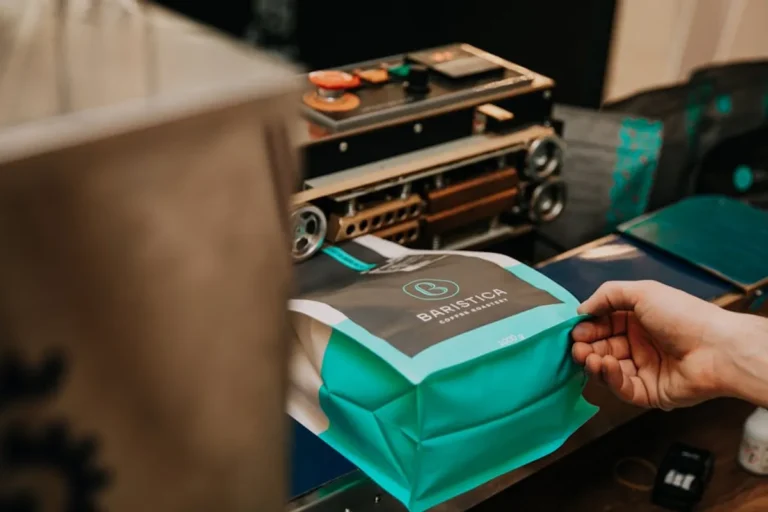
Packaging serves as the initial physical touchpoint between a product and its customer. This first impression is crucial for small businesses, as it sets the tone for brand perception before the product itself is even used. Distinctive visual elements like a consistent color palette, unique typography, and a memorable logo embedded directly onto the packaging reinforce brand recognition at every touchpoint, from shelf display to doorstep delivery. When packaging design aligns with the brand's core values—whether that's luxury, eco-friendliness, or playful innovation—it communicates these attributes non-verbally, immediately signaling to the customer what the brand stands for. This consistency builds trust and makes the brand instantly identifiable, reducing the cognitive load for customers and fostering a sense of familiarity.
Customer Experience and Unboxing
The "unboxing experience" has evolved from a niche trend into a mainstream expectation, particularly for online purchases. Thoughtfully designed packaging transforms a simple delivery into a memorable event. This involves more than just the outer box; it encompasses the internal presentation, tissue paper, custom inserts, and the overall sequence of uncovering the product. For small businesses, this experience is an opportunity to delight customers, creating a positive emotional connection that encourages sharing on social media and drives word-of-mouth referrals. A well-executed unboxing experience can elevate perceived product value, even for items that are otherwise commodities, by making the act of receiving the product feel special and personalized.
Practical Packaging Elements for Marketing Impact
Design and Visuals
Effective packaging design integrates aesthetics with functionality to create a cohesive brand message. This includes the choice of colors, fonts, imagery, and structural form. For instance, a minimalist design might convey sophistication and premium quality, while vibrant colors and playful graphics could target a younger demographic or emphasize a fun brand personality. Small businesses should prioritize designs that are not only visually appealing but also legible and informative, ensuring essential product details and brand messaging are clear. Consistency across all packaging variations, from shipping boxes to product labels, reinforces brand identity and strengthens recognition.
Material Choices and Sustainability
The materials used for packaging convey significant messages about a brand's values. Opting for recycled, recyclable, or compostable materials can appeal to environmentally conscious consumers, demonstrating a commitment to sustainability that resonates with a growing market segment. Beyond environmental considerations, material quality also impacts perceived value. A sturdy, premium-feel box suggests a high-quality product inside, whereas flimsy packaging might imply the opposite. Small businesses can explore options like corrugated cardboard with high recycled content, biodegradable packing peanuts, or glass jars that encourage reuse, aligning their packaging choices with their brand's ethical stance and customer expectations. Exploring sustainable recyclable materials for packaging not only aligns with consumer values but also enhances brand image.
Inserts and Added Value
Packaging inserts offer a cost-effective way to extend marketing efforts beyond the product itself. These can include:
- Thank You Notes: Personalized, handwritten notes foster a direct connection and show appreciation, enhancing customer loyalty.
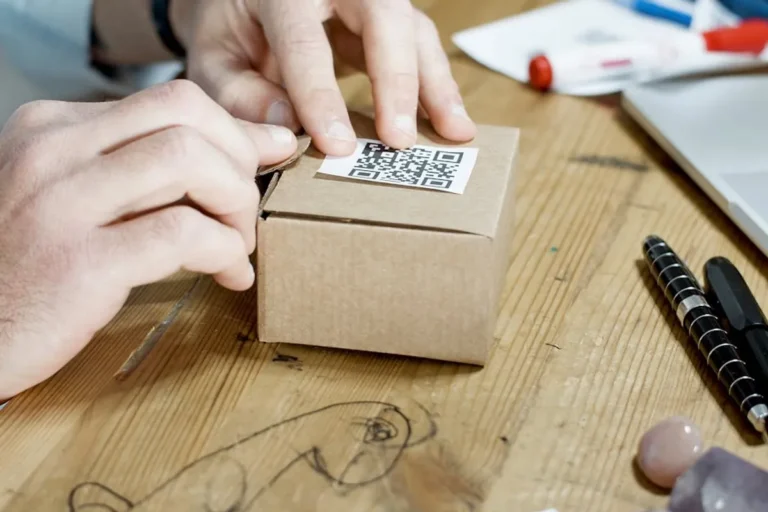
- Promotional Materials: Discount codes for future purchases, flyers for new products, or invitations to loyalty programs encourage repeat business and cross-selling.
- Brand Story Cards: Small cards detailing the brand's mission, values, or the product's origin can deepen customer engagement and emotional connection.
- Samples: Offering small samples of other products can introduce customers to new offerings and drive additional sales.
- Instructions/Care Guides: Beyond basic product usage, well-designed guides can reinforce brand professionalism and customer support.
These small additions can significantly enhance the customer's perception of value and provide tangible reasons for them to engage further with the brand.
Pro Tip: Unboxing Video Potential: Design packaging with the potential for social media sharing in mind. An aesthetically pleasing and engaging unboxing experience can organically generate user-created content (UGC) like unboxing videos or photos. This free, authentic marketing reaches new audiences and builds social proof far more effectively than traditional advertising. Ensure your packaging is visually appealing from multiple angles and includes clear branding that is easy to identify in photos or videos.
Leveraging Packaging for Customer Loyalty and Word-of-Mouth
Personalization and Storytelling
Personalized packaging, even in subtle ways, makes customers feel valued and unique. This could involve custom labels with the customer's name, personalized messages, or packaging designs tailored to specific occasions or demographics. Storytelling through packaging allows small businesses to convey their unique narrative, mission, and passion directly to the customer. This might be a brief history of the company, the inspiration behind a product, or the ethical sourcing practices employed. When customers connect with a brand's story, it fosters a deeper emotional bond, transforming a transactional relationship into a loyal one.
Encouraging User-Generated Content
Packaging can be designed to explicitly encourage customers to share their unboxing experience or product use on social media. This might involve including clear calls to action (e.g., "Share your unboxing with #YourBrandName"), showcasing social media handles, or offering incentives for sharing. When customers post about their positive experiences, it acts as authentic social proof, influencing potential new customers more powerfully than direct advertising. Small businesses can actively monitor these hashtags and engage with user-generated content, further strengthening community and brand loyalty.
Measuring Packaging's Marketing Effectiveness
While direct ROI for packaging can be challenging to quantify, its marketing effectiveness can be inferred through several metrics. Track increases in customer acquisition from word-of-mouth referrals, often linked to positive unboxing experiences. Monitor social media engagement, specifically mentions, shares, and user-generated content related to packaging. Analyze repeat purchase rates and customer lifetime value, as enhanced brand perception and loyalty from thoughtful packaging contribute to these. Additionally, conduct customer surveys to directly gauge satisfaction with packaging and its influence on their purchasing decisions. Over time, these indicators provide a comprehensive view of how packaging contributes to overall marketing goals.
Actionable Steps for Packaging Optimization
To optimize packaging for marketing impact, small businesses should begin by defining their brand identity and target audience. This clarity will guide design choices, material selection, and messaging. Conduct a competitive analysis to identify what works and what doesn't in your industry's packaging landscape. Source samples of various materials and designs to test for durability, aesthetic appeal, and cost-effectiveness. Consider working with a professional designer to translate your brand vision into a cohesive packaging strategy that stands out. Implement a phased approach, starting with key products or packaging elements, and iterate based on customer feedback and observed engagement. Regularly review and update packaging to reflect evolving brand identity, product lines, and sustainability trends, ensuring it remains a dynamic and effective marketing tool.
Frequently Asked Questions
Does sustainable packaging cost significantly more for small businesses?
While some sustainable materials might have a higher unit cost, many options like recycled cardboard or biodegradable fillers are increasingly affordable. The perceived value and positive brand association with eco-friendly practices can also justify a slightly higher investment, often leading to increased customer loyalty and sales.
How can I personalize packaging without incurring high costs for small order volumes?
Small businesses can achieve personalization through low-cost methods such as custom rubber stamps for logos, handwritten thank-you notes, or printing generic inserts that allow for a blank space to add a customer's name. Digital printing services are also becoming more accessible for smaller runs of custom-designed packaging.
What is the most important element of packaging for marketing?
The most important element is brand consistency. Regardless of the specific design, materials, or inserts, ensuring that the packaging consistently reflects your brand's identity, values, and quality standards across all touchpoints is crucial for building recognition and trust.
Should I prioritize durability or aesthetics in my packaging?
Both are critical. Packaging must first protect the product during transit to ensure it arrives undamaged, fulfilling its primary functional role. However, aesthetics are equally important for marketing purposes, as they create the initial impression and contribute to the unboxing experience. Striking a balance between robust protection and appealing design is essential.

Start the conversation
Thoughtful disagreement welcomed. Promotional links quietly removed.