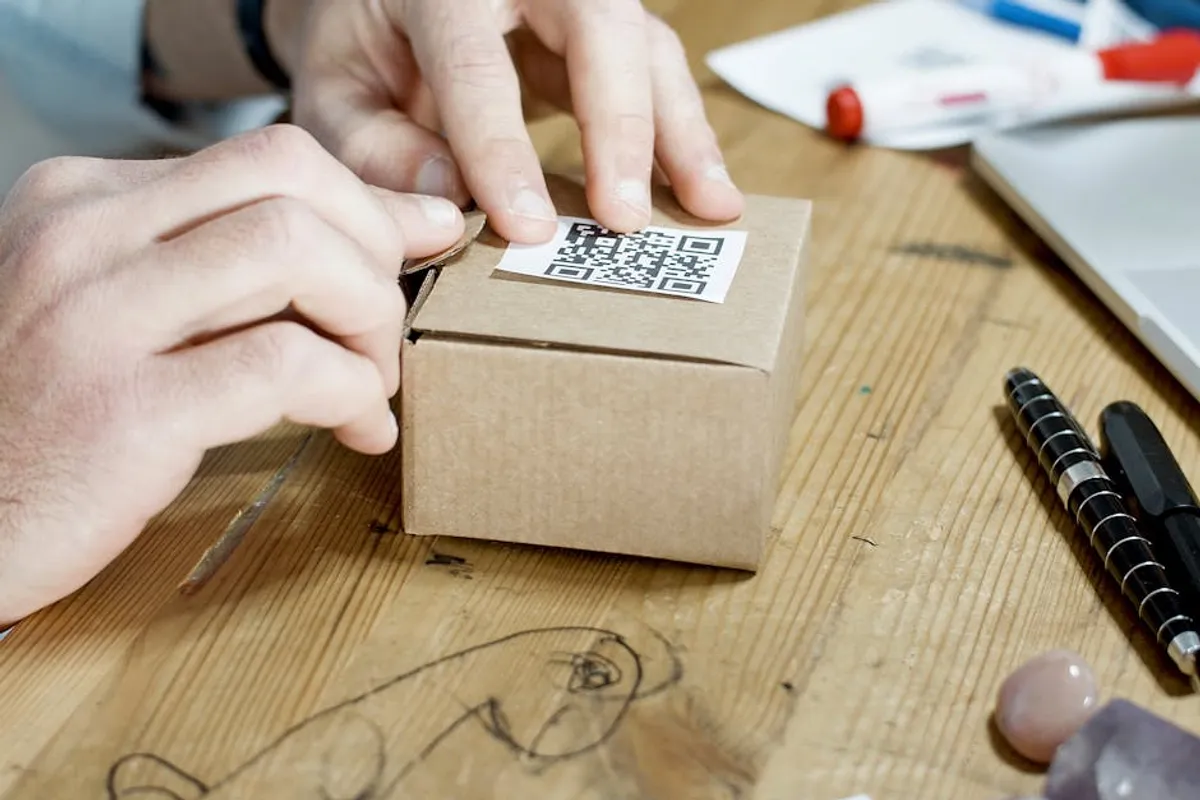
Ecommerce packaging extends beyond mere product protection; it is a critical touchpoint influencing brand perception, customer loyalty, and operational efficiency. In a competitive digital marketplace, the packaging a customer receives can differentiate a brand, communicate its values, and significantly enhance the unboxing experience. Thoughtful packaging choices can reduce shipping damage, optimize logistics costs, and provide unique marketing opportunities that resonate with target demographics. Conversely, inadequate or misaligned packaging can lead to product returns, negative reviews, and missed opportunities for brand reinforcement.
The decision-making process for ecommerce packaging involves balancing aesthetic appeal with practicality, cost-effectiveness, and sustainability goals. It requires an understanding of various materials, design principles, and logistical considerations to ensure that the chosen solution aligns with both brand identity and customer expectations. From custom-printed boxes that elevate perceived value to eco-friendly options that appeal to conscious consumers, each packaging idea serves distinct strategic objectives. The following outlines key considerations and specific packaging approaches designed to address diverse ecommerce needs.
Key Considerations for Ecommerce Packaging
Before selecting specific packaging ideas, ecommerce brands must assess several foundational elements to ensure alignment with business objectives and customer expectations. These considerations guide the choice of materials, design, and overall strategy. Carefully assessing these factors will help prevent common packaging mistakes to avoid that could harm your brand.
- Brand Identity and Messaging: Packaging is an extension of the brand. It should visually and textually communicate the brand's values, personality, and unique selling propositions. Consistency in color, typography, and imagery reinforces brand recognition.
- Product Protection Requirements: The primary function of packaging is to safeguard products during transit. Evaluate product fragility, size, weight, and environmental sensitivities (e.g., temperature, moisture) to determine the necessary level of cushioning, insulation, and structural integrity.
- Customer Experience: Unboxing is a direct interaction with the brand. Consider how packaging can create a memorable, engaging experience. This includes ease of opening, presentation of contents, inclusion of personalized elements, and the overall tactile feel.
- Sustainability Goals: With increasing consumer demand for eco-conscious practices, evaluate packaging options based on their environmental impact. Consider materials that are recyclable, compostable, biodegradable, or made from recycled content. Also, assess opportunities for reducing material usage and optimizing package size to minimize waste.
- Budget and Cost Efficiency: Packaging costs impact profitability. Factor in material costs, printing, assembly, shipping weight, and potential for damage-related returns. Seek solutions that balance quality and brand impact with economic viability, including opportunities for bulk purchasing or automation.
- Logistics and Fulfillment: Packaging must integrate seamlessly with fulfillment operations. Consider storage space, ease of packing, shipping carrier requirements, and international shipping regulations. Optimized packaging can reduce shipping dimensions and weight, leading to lower freight costs.
1. Custom Branded Shipping Boxes
Custom branded shipping boxes are corrugated or rigid boxes printed with a brand's logo, colors, and specific messaging. These boxes serve as the initial physical touchpoint for customers, transforming a functional necessity into a marketing asset. They can feature full-color printing, spot colors, or simple one-color logos, depending on budget and desired impact. The structural integrity protects products, while the exterior design reinforces brand identity from the moment the package arrives.
Best for: Brands aiming to elevate their perceived value, create a strong first impression, and reinforce their identity with every delivery. Ideal for products with a moderate to high price point where the unboxing experience contributes significantly to customer satisfaction and loyalty.
Pros:
- Brand Reinforcement: Immediately communicates brand identity and professionalism.
- Enhanced Unboxing Experience: Elevates the perceived value of the product and creates a memorable moment.
- Marketing Opportunity: Transforms shipping into a mobile advertisement, increasing brand visibility.
- Customization: Offers extensive options for design, size, and material to match specific product and brand needs.
Cons:
- Higher Cost: Generally more expensive per unit than generic, unbranded boxes, especially for smaller order quantities.
- Minimum Order Quantities: Often requires higher minimum order quantities (MOQs) for cost-effective production.
- Storage Requirements: Custom-sized boxes may require more dedicated storage space.
Verdict: Custom branded shipping boxes are a strategic investment for ecommerce brands focused on building a premium image and fostering customer loyalty through a distinctive unboxing experience. The initial cost premium is often offset by the long-term branding benefits and increased customer engagement.
2. Sustainable and Eco-Friendly Packaging
Sustainable packaging encompasses materials and designs that minimize environmental impact throughout their lifecycle. This includes using recycled content, biodegradable or compostable materials, renewable resources, and designs that reduce material usage or facilitate recycling. Examples include kraft paper mailers, cornstarch-based void fill, mushroom packaging, and boxes made from post-consumer waste. The focus is on reducing waste, conserving resources, and promoting a circular economy.
Best for: Brands targeting environmentally conscious consumers, those with a strong corporate social responsibility (CSR) mission, or companies operating in industries where sustainability is a core value (e.g., organic goods, natural cosmetics, outdoor apparel).
Pros:
- Consumer Appeal: Attracts and retains environmentally aware customers, expanding market reach.
- Brand Reputation: Enhances brand image as responsible and forward-thinking.
- Regulatory Compliance: Prepares brands for potential future environmental regulations.
- Reduced Waste: Contributes to lower landfill waste and resource consumption.
Cons:
- Higher Material Cost: Sustainable materials can sometimes be more expensive than traditional alternatives.
- Limited Durability/Functionality: Some eco-friendly options may offer less protection or have specific handling requirements.
- Perceived Value: May not always convey a luxury feel if not designed thoughtfully.
- Disposal Confusion: Consumers may not always understand how to properly dispose of certain compostable or biodegradable materials.
Verdict: Sustainable packaging is increasingly essential for modern ecommerce. While it may involve higher initial costs or specific material considerations, the long-term benefits in brand perception, customer loyalty, and environmental impact make it a worthwhile and often necessary investment for future-focused brands. Brands committed to sustainability should explore sustainable packaging material choices that align with their environmental goals.
3. Protective Internal Packaging
Protective internal packaging refers to the materials used inside a shipping container to cushion, brace, and block products, preventing movement and absorbing shocks during transit. This category includes void fill (e.g., packing peanuts, air pillows, crinkle paper), custom inserts (e.g., foam, molded pulp, cardboard dividers), and wrapping materials (e.g., bubble wrap, tissue paper). The goal is to secure items, prevent damage, and present the product neatly upon opening.
Best for: Brands shipping fragile, multiple, or irregularly shaped items that require specific positioning and cushioning to arrive intact. Essential for electronics, glassware, ceramics, cosmetics, and curated gift sets.
Pros:
- Damage Prevention: Significantly reduces breakage, scratches, and other transit-related product damage.
- Reduced Returns: Minimizes costly returns and customer dissatisfaction due to damaged goods.
- Neat Presentation: Custom inserts can organize products aesthetically, improving the unboxing experience.
- Versatility: A wide range of materials allows for tailored solutions based on product fragility and budget.
Cons:
- Material Waste: Some void fill options (e.g., traditional packing peanuts, bubble wrap) can be environmentally problematic.
- Increased Volume/Weight: Can add to package dimensions and weight, potentially increasing shipping costs.
- Assembly Time: Custom inserts may require additional packing time during fulfillment.
- Cost: Specialized protective materials or custom-molded inserts can add to overall packaging expenses.
Verdict: Effective internal packaging is non-negotiable for protecting products and maintaining customer trust. Brands should prioritize sustainable and aesthetically pleasing options where possible, balancing protection with environmental responsibility and cost efficiency to avoid damage-related losses and negative customer experiences.
4. Personalized Unboxing Experience Elements
Personalized unboxing elements go beyond standard packaging to create a unique, memorable interaction for the customer. This includes handwritten notes, custom tissue paper with brand patterns, branded stickers, product samples, discount codes for future purchases, or small, relevant gifts. The aim is to make the customer feel valued and enhance their connection with the brand, transforming a transactional delivery into a personalized event.
Best for: Direct-to-consumer (DTC) brands, subscription boxes, luxury goods, and businesses that prioritize customer loyalty and word-of-mouth marketing. Particularly effective for brands with a strong community or personal touch.
Pros:
- Increased Customer Loyalty: Fosters a deeper connection and encourages repeat purchases.
- Word-of-Mouth Marketing: Encourages social media sharing and positive reviews, acting as free promotion.
- Brand Differentiation: Creates a unique brand experience that stands out from competitors.
- Perceived Value: Makes customers feel appreciated, enhancing the overall value of their purchase.
Cons:
- Labor Intensive: Personal touches like handwritten notes can be time-consuming for high-volume operations.
- Increased Cost: Adding extra items, even small ones, increases material and potentially shipping costs.
- Scalability Challenges: Maintaining personalization at scale requires efficient processes or automation.
- Potential for Waste: If not carefully curated, additional items can be perceived as unnecessary clutter by some customers.
Verdict: Personalization in packaging is a powerful tool for customer engagement and brand building. While it requires careful consideration of scalability and cost, the benefits of enhanced loyalty and organic marketing often outweigh the operational challenges, especially for brands focused on customer relationships.
5. Subscription Box Packaging
Subscription box packaging is specifically designed to house a curated selection of products delivered on a recurring basis. These often feature robust, visually appealing outer boxes, custom inserts to hold multiple items securely, and thematic branding that changes with each delivery cycle. The packaging itself is a significant part of the product, contributing to the anticipation and discovery element inherent in subscription services.
Best for: Businesses operating on a subscription model, delivering monthly or quarterly curated collections of products (e.g., beauty products, snacks, books, pet supplies, craft kits).
Pros:
- Anticipation and Excitement: The packaging is integral to the "surprise and delight" aspect of subscription boxes.
- Brand Storytelling: Allows for evolving themes and narratives with each delivery, keeping the experience fresh.
- Product Organization: Custom inserts efficiently secure and display multiple items.
- Repeat Engagement: Reinforces the subscription value and encourages continued membership.
Cons:
- Complex Design: Requires careful planning to accommodate varying product assortments and sizes.
- Higher Unit Cost: Often involves custom dies and printing for unique box structures and designs.
- Inventory Management: Managing different packaging designs for various themes can be complex.
- Sustainability Challenges: Can generate more waste due to recurring deliveries, necessitating eco-friendly material choices.
Verdict: For subscription businesses, packaging is a core product feature. Investing in high-quality, thematic, and functional subscription box packaging is crucial for customer retention and brand identity, driving the unique value proposition of recurring curated deliveries.
6. Luxury and Premium Packaging
Luxury and premium packaging utilizes high-quality materials, sophisticated finishes, and elegant designs to convey exclusivity and superior product value. This often includes rigid boxes, embossed or debossed logos, foil stamping, soft-touch coatings, magnetic closures, and custom velvet or silk inserts. The focus is on tactile experience, visual opulence, and an elevated unboxing ritual that justifies a higher price point and reinforces brand prestige.
Best for: High-end fashion, jewelry, gourmet foods, prestige cosmetics, electronics, and any brand aiming to position its products at the top tier of its market. Essential for gifts and special occasion purchases.
Pros:
- Elevated Perceived Value: Immediately communicates quality and exclusivity, justifying premium pricing.
- Memorable Unboxing: Creates a sophisticated and engaging ritual, enhancing customer satisfaction.
- Brand Prestige: Reinforces a high-end brand image and differentiates from mass-market competitors.
- Durability: Often uses sturdier materials, providing superior product protection.
Cons:
- Significantly Higher Cost: Premium materials and finishes incur substantial per-unit costs.
- Increased Weight/Volume: Rigid boxes and elaborate inserts can add to shipping expenses.
- Environmental Impact: Some luxury materials and finishes may be less recyclable or sustainable.
- Minimum Order Quantities: Specialized production often requires higher MOQs.
Verdict: Luxury packaging is a strategic imperative for premium brands. While expensive, it is critical for establishing and maintaining brand perception, validating product value, and delivering an unboxing experience commensurate with the product's price and exclusivity. It's an investment in brand equity.
7. Flexible Packaging (Pouches and Mailers)
Flexible packaging refers to soft, pliable containers like poly mailers, padded envelopes, and stand-up pouches. These are typically made from plastic films, foil, or paper and are characterized by their lightweight nature and ability to conform to product shapes. They offer protection against moisture, punctures, and light, often with reclosable features for convenience. Their minimal material usage and lighter weight contribute to lower shipping costs.
Best for: Apparel, soft goods, non-fragile items, small electronics, powders, liquids, and products where minimizing shipping weight and dimensions is a priority. Also suitable for samples or single-item shipments.
Pros:
- Cost-Effective: Generally cheaper per unit than boxes, especially poly mailers.
- Lightweight: Reduces shipping weight and associated freight costs.
- Space Efficient: Requires less storage space and can be packed quickly.
- Moisture Protection: Many flexible materials offer good resistance to water and humidity.
Cons:
- Limited Protection: Offers less structural protection against crushing or impact compared to boxes.
- Less Premium Feel: May not convey a luxury or high-value impression unless highly customized.
- Environmental Concerns: Many plastic-based flexible packaging options are not easily recyclable in all areas.
- Branding Challenges: Custom printing can be less versatile than on rigid boxes, though options are improving.
Verdict: Flexible packaging is a practical, cost-effective solution for non-fragile items, particularly where shipping costs are a major concern. Brands should explore recyclable or compostable flexible options to align with sustainability goals and consider enhancing the unboxing experience with internal elements.
8. Temperature-Controlled Packaging
Temperature-controlled packaging is designed to maintain a specific temperature range for products during transit, protecting them from extreme heat or cold. This typically involves insulated liners (e.g., foam, reflective materials), gel packs, dry ice, or phase-change materials (PCMs) within an outer shipping container. The goal is to preserve product integrity, safety, and efficacy for temperature-sensitive goods.
Best for: Perishable foods, pharmaceuticals, cosmetics, certain chemicals, and biological samples that require strict temperature regulation to prevent spoilage or degradation. Essential for health and safety compliance.
Pros:
- Product Integrity: Ensures sensitive products arrive in optimal condition, preventing spoilage or damage.
- Compliance: Meets regulatory requirements for shipping certain perishable or medical items.
- Customer Trust: Builds confidence in product quality and brand reliability for sensitive purchases.
- Reduced Waste: Minimizes product loss due to temperature excursions.
Cons:
- High Cost: Insulated materials and refrigerants significantly increase packaging and shipping expenses.
- Increased Weight/Volume: Adds considerable bulk and weight to packages, impacting freight costs.
- Logistical Complexity: Requires careful planning for packing, storage of refrigerants, and shipping timelines.
- Environmental Impact: Some insulation materials and refrigerants can have environmental concerns, though sustainable options are emerging.
Verdict: For products requiring temperature control, this packaging is a necessity, not an option. While expensive and logistically complex, it is critical for product safety, quality, and regulatory compliance. Brands must invest in reliable solutions to protect both their products and their customers.
9. Returnable/Reusable Packaging Systems
Returnable or reusable packaging systems involve containers designed for multiple uses, where the packaging is returned to the brand or a collection point after delivery for cleaning and reuse. This can range from durable plastic totes used in closed-loop delivery systems to more consumer-facing options like reusable fabric bags or specialized containers that customers send back. The primary benefit is a significant reduction in single-use packaging waste.
Best for: Local delivery services, subscription models with high return rates, B2B ecommerce, or brands with a strong commitment to circular economy principles and a logistics network capable of managing returns. Suitable for durable goods or refillable products.
Pros:
- Significant Waste Reduction: Drastically lowers packaging waste and environmental footprint.
- Cost Savings (Long-Term): Can reduce packaging procurement costs over time, despite higher initial investment.
- Strong Sustainability Message: Positions the brand as a leader in environmental responsibility.
- Enhanced Customer Engagement: Encourages customer participation in sustainable practices.
Cons:
- Logistical Complexity: Requires robust reverse logistics for collection, cleaning, and redistribution.
- Higher Initial Investment: Durable, reusable packaging often costs more upfront.
- Customer Participation: Relies on customer compliance for returns, which can be inconsistent.
- Hygiene and Cleaning: Requires effective cleaning protocols, especially for food or personal care items.
Verdict: Reusable packaging represents a significant step towards sustainability but demands a substantial investment in logistics and customer education. It is most viable for brands with controlled delivery networks or highly engaged customer bases committed to circular models, offering substantial long-term environmental and potential cost benefits.
10. Interactive Packaging
Interactive packaging incorporates digital elements that engage customers beyond the physical product. This often includes QR codes linking to product information, augmented reality (AR) experiences, embedded NFC tags for authenticity verification, or gamified elements. The goal is to provide additional content, foster deeper engagement, and bridge the physical unboxing experience with the digital brand presence, offering value-added information or entertainment.
Best for: Tech-savvy brands, products with complex instructions, educational content, or those looking to create a memorable, shareable digital experience. Ideal for younger demographics or products that benefit from rich media explanations.
Pros:
- Enhanced Engagement: Provides a dynamic and memorable unboxing experience.
- Value-Added Content: Offers access to tutorials, product stories, AR experiences, or exclusive content.
- Data Collection: Can provide insights into customer engagement and preferences.
- Brand Differentiation: Positions the brand as innovative and forward-thinking.
Cons:
- Technical Requirements: Requires integration of digital technologies, which can be complex.
- Cost: Development and implementation of interactive features can be expensive.
- Customer Adoption: Relies on customers having smartphones and willingness to engage with digital elements.
- Potential for Glitches: Technical issues can detract from the experience.
Verdict: Interactive packaging is an innovative way to deepen customer engagement and provide rich brand experiences. While it demands technical investment and a digitally-inclined audience, it offers unique opportunities for storytelling, education

Start the conversation
Thoughtful disagreement welcomed. Promotional links quietly removed.