
For businesses, a paper bag is rarely just a container. It's an extension of the brand, a mobile advertisement, and often the last physical touchpoint a customer has with a purchase. Understanding how to leverage this opportunity begins with a clear strategy for branded paper bags. This guide outlines the essential considerations for businesses looking to transform a simple carry-all into a powerful marketing asset, covering everything from material selection to design execution and cost implications. This guide will cover everything from material selection to design execution and cost implications, helping you understand how to choose custom bags for your retail products.
The Commercial Impact of Branded Paper Bags
Branded paper bags serve multiple commercial functions beyond basic product transport. They contribute directly to brand recognition, enhance customer perception, and can even influence purchasing decisions. Each element of a branded bag, from its material to its handle type, communicates something about the business it represents. Each element of a branded bag, from its material to its handle type, communicates something about the business it represents, so consider what to know before ordering custom printed bags.
Elevating Brand Visibility and Recall
A well-designed branded paper bag acts as a walking billboard. As customers carry their purchases, the bag exposes the brand to a wider audience, generating impressions long after the transaction is complete. Consistent branding across all customer touchpoints, including packaging, reinforces brand identity and aids recall. For instance, a distinctive logo or a unique color scheme on a bag makes it instantly recognizable, differentiating a business from competitors.
Enhancing the Customer Experience
Packaging is an integral part of the unboxing experience, which now extends beyond e-commerce. A sturdy, aesthetically pleasing branded bag can elevate the perceived value of the purchase and the overall customer experience. It conveys attention to detail and a commitment to quality, encouraging positive associations with the brand. Customers often retain and reuse attractive bags, extending their marketing lifespan.
Communicating Values Through Material Choices
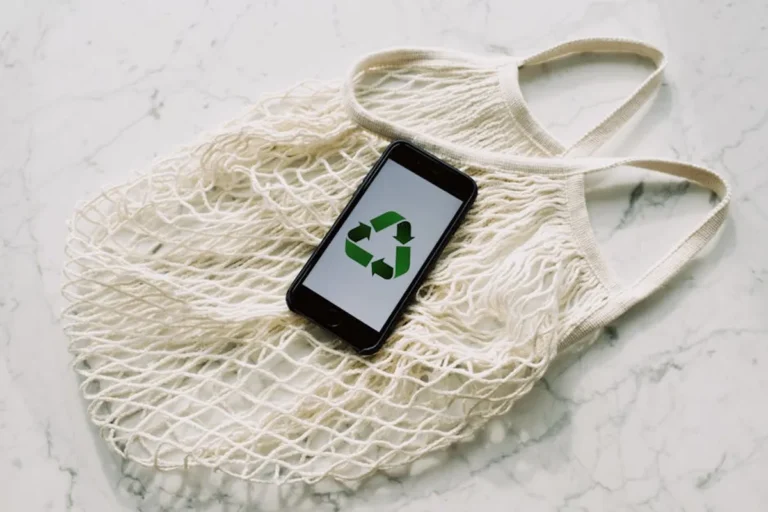
The choice of bag material and its perceived sustainability can significantly influence customer perception. Businesses that opt for recycled content, recyclable materials, or biodegradable options signal an environmental consciousness that resonates with a growing segment of consumers. This aligns the brand with positive values, potentially fostering loyalty and attracting customers who prioritize ethical sourcing and environmental responsibility.
Key Considerations for Your Branded Bag Project
Selecting the right branded paper bag involves several strategic decisions that impact both aesthetics and functionality. Each choice contributes to the final product's cost, durability, and brand representation.
Material Selection and Its Implications
The base material dictates the bag's strength, feel, and environmental profile. Common options include:
- Kraft Paper: Available in natural brown or bleached white. Natural kraft is often associated with organic or eco-friendly brands due to its raw, unbleached appearance. Bleached kraft offers a cleaner canvas for vibrant printing. Both are generally strong and recyclable.
- Recycled Paper: Composed of post-consumer or post-industrial waste. This choice explicitly communicates a commitment to sustainability, though the paper's texture might be less uniform than virgin fibers.
- Coated Paper (Art Paper): Offers a smooth, often glossy or matte finish, ideal for high-quality, intricate printing and photographic images. It provides a premium feel but may be less readily recyclable if heavily coated.
- Specialty Papers: Options like textured papers or those with unique finishes can add a luxurious or distinctive touch, often at a higher cost.
Bag Styles and Sizing for Specific Needs
Bag style and size should align with the typical products sold and the desired customer experience. Common styles include:
- Standard Merchandise Bags: Rectangular with gusseted sides, suitable for clothing, books, and general retail items.
- Euro Totes: Often feature reinforced tops and bottoms, rope handles, and a more structured, upscale appearance, common in luxury retail.
- Die-Cut Handle Bags: Bags with integrated handles cut directly from the paper, offering a minimalist look, often used for smaller, lighter items.
- Bottle Bags: Tall, narrow bags designed specifically for wine bottles or similar items.
Selecting appropriate sizes prevents customers from struggling with oversized bags for small items or undersized bags for larger purchases, ensuring practical utility and a positive experience.
Printing Techniques and Color Fidelity
The chosen printing method affects color accuracy, detail reproduction, and unit cost:
- Flexography: Cost-effective for larger runs and simpler designs with fewer colors. It uses flexible relief plates and fast-drying inks, suitable for kraft paper.
- Offset Printing: Offers high-quality, precise color reproduction and fine detail, ideal for complex graphics and photographic images. It's typically used for higher-end bags and larger quantities due to setup costs.
- Screen Printing: Best for smaller runs, specialty inks (like metallic or fluorescent), and specific areas of print. It provides thick ink coverage and vibrant colors but is less suitable for intricate details or gradients.
Pro Tip: Always request physical proofs or high-fidelity digital mock-ups before committing to a full production run. Colors displayed on a screen can vary significantly from printed output due to differences in color profiles (RGB vs. CMYK) and printer calibration. Verifying a physical proof ensures color accuracy and design integrity, preventing costly reprints.
Essential Design Elements
Effective design integrates brand identity with practical functionality:
- Logo Placement and Size: The logo should be prominent but not overwhelming, placed strategically for maximum visibility.
- Brand Colors: Consistent use of brand colors reinforces identity. Specify Pantone Matching System (PMS) colors for precise color reproduction across different printing methods.
- Typography: Ensure any text is legible and aligns with brand fonts.
- Additional Information: Consider including a website, social media handles, or a QR code for further engagement, but avoid cluttering the design.
Cost Factors and Budgeting
The total cost of branded paper bags is influenced by several variables:
- Quantity (Minimum Order Quantity - MOQ): Higher volumes generally lead to lower per-unit costs due to economies of scale in manufacturing and printing setup.
- Material Type: Specialty papers, coated stocks, and higher recycled content often cost more than standard kraft.
- Bag Size and Style: Larger bags and more complex styles (e.g., Euro totes with rope handles) require more material and labor.
- Number of Print Colors: Each additional color in flexographic or screen printing typically adds to the cost. Full-color (CMYK) offset printing has a fixed setup cost regardless of color count, but plate costs apply.
- Finishes and Add-ons: Lamination (gloss or matte), hot foil stamping, embossing, or special handle types (ribbon, cotton rope) increase the unit price.
Businesses should obtain detailed quotes from multiple suppliers, specifying all desired features, to accurately compare costs and ensure transparency.
Maximizing Your Investment in Branded Bags
To get the most value from your branded paper bags, consider them as a long-term marketing asset rather than a disposable item. Design for reusability by choosing durable materials and attractive aesthetics that encourage customers to keep and reuse the bag. This extends brand exposure and reinforces a sustainable image. Integrate the bag design with seasonal promotions or special events to create limited-edition packaging that drives excitement and collectibility. Finally, ensure staff are trained to present products in bags professionally, reinforcing the premium experience.
Practical Next Steps for Implementation
Begin by defining your specific needs: what products will the bags hold, what is your target aesthetic, and what is your budget? Research potential suppliers, focusing on those with experience in your industry and a reputation for quality. Request samples of their work and material options to assess quality firsthand. Clearly communicate your design specifications, including artwork files in vector format (AI, EPS, PDF), color codes (PMS), and precise dimensions. Always review proofs meticulously before authorizing full production. A structured approach ensures the final product effectively represents your brand and meets commercial objectives.
Frequently Asked Questions
What is the typical minimum order quantity (MOQ) for custom branded paper bags?
MOQs vary significantly by supplier and bag type, but for custom printed paper bags, they often start around 1,000 to 5,000 units. Smaller quantities might be available through digital printing methods or local providers, though usually at a higher per-unit cost.
How long does it take to produce and deliver custom branded paper bags?
Production lead times typically range from 4 to 8 weeks after final artwork approval, depending on the complexity of the design, the printing method, and the supplier's current workload. Shipping time must be added to this, especially for international orders.
Can I order eco-friendly options for my branded paper bags?
Yes, many suppliers offer various eco-friendly options. These include bags made from 100% recycled content (post-consumer waste), FSC-certified papers (from sustainably managed forests), or biodegradable materials. Specify your environmental preferences early in the quoting process.
What file formats are best for submitting artwork for printing?
Vector-based files are preferred for print production. This includes Adobe Illustrator (.ai), Encapsulated PostScript (.eps), or high-resolution PDF (.pdf) files. These formats allow for scaling without loss of quality, ensuring crisp logos and text.
Start the conversation
Thoughtful disagreement welcomed. Promotional links quietly removed.