Selecting the right packaging material is a critical decision that balances product protection, brand identity, cost-efficiency, and environmental responsibility. For businesses prioritizing sustainability, recyclable packaging offers a tangible commitment to circular economy principles, reducing waste and conserving resources. However, "recyclable" is not a monolithic term; it encompasses a spectrum of materials with varying processing requirements, infrastructure availability, and end-of-life pathways. This guide provides a detailed assessment of leading recyclable packaging materials, outlining their commercial utility, specific advantages, limitations, and optimal applications. Understanding these distinctions allows businesses to make informed choices that align with their operational needs and sustainability objectives, moving beyond generic claims to implement truly effective and responsible packaging solutions. Understanding the differences between recyclable, compostable, and reusable packaging is key to making truly sustainable choices.
Key Considerations for Recyclable Packaging Materials
Before committing to a specific recyclable packaging material, evaluate several factors that influence its practical application and environmental efficacy. The material's inherent properties, such as barrier protection, durability, and aesthetic potential, must meet product-specific requirements. Cost implications extend beyond raw material prices to include manufacturing, transportation, and potential recycling surcharges. Furthermore, the availability and efficiency of recycling infrastructure in target markets are paramount; a material is only effectively recyclable if collection and processing facilities exist at scale. Consumer perception also plays a significant role, as packaging choices can directly impact brand reputation and purchasing decisions. Finally, regulatory compliance, including labeling requirements and material restrictions, must be thoroughly investigated to avoid penalties and ensure market access. A holistic assessment across these dimensions ensures that the chosen packaging solution delivers on both commercial and environmental promises.
1. Corrugated Cardboard
Corrugated cardboard is a ubiquitous packaging material, valued for its structural integrity, lightweight nature, and high recycled content potential. Constructed from multiple layers of paperboard, including a fluted layer between two flat liners, it provides cushioning and rigidity suitable for shipping and protecting a wide range of products. Its widespread use in e-commerce and logistics has cemented its role as a foundational recyclable option, supported by mature collection and reprocessing infrastructure globally.
Best for: Shipping boxes, secondary packaging, e-commerce fulfillment, protective inserts, heavier items, subscription boxes.
Pros:
- High post-consumer recycled content (often 70-100%).
- Widely accepted in municipal recycling programs.
- Renewable resource from sustainably managed forests.
- Cost-effective for bulk production and shipping.
- Excellent printability for branding and messaging.
- Provides significant structural protection and stackability.
Cons:
- Susceptible to moisture damage, reducing protective qualities.
- Bulky for storage before use and after disposal.
- Limited aesthetic appeal for premium primary packaging without additional finishes.
- Recycling value can degrade with excessive inks, coatings, or adhesives.
Verdict: Corrugated cardboard remains a top-tier choice for its balance of cost, protection, and established recyclability, especially for transport and secondary packaging. Its environmental footprint is favorable due to high recycled content and renewable sourcing, making it a reliable option for businesses seeking broad sustainability impact.
2. Recycled PET (RPET)
Recycled Polyethylene Terephthalate (RPET) is derived from post-consumer PET plastics, primarily beverage bottles and food containers. This material offers clarity, strength, and barrier properties comparable to virgin PET, making it a direct substitute in many applications. Its adoption reduces reliance on virgin fossil fuels and diverts plastic waste from landfills and oceans, contributing to a circular plastics economy. RPET is a key component in achieving packaging sustainability goals within the food, beverage, and personal care sectors.
Best for: Beverage bottles, food containers (clamshells, trays), cosmetic bottles, cleaning product bottles, textile fibers.
Pros:
- Significantly reduces energy consumption and greenhouse gas emissions compared to virgin PET production.
- Maintains clarity, strength, and barrier properties similar to virgin PET.
- Widely accepted in recycling streams, especially bottle-to-bottle recycling.
- Lightweight, contributing to lower transportation emissions.
- Approved for food contact applications after proper reprocessing.
Cons:
- Availability and quality can fluctuate depending on collection infrastructure and sorting efficiency.
- Requires robust sorting and cleaning processes to ensure purity for high-grade applications.
- Potential for downcycling if not sorted properly or if contaminated.
- Limited heat resistance compared to some other plastics.
Verdict: RPET is an essential material for brands committed to plastic circularity, offering a high-performance, lightweight, and widely recyclable solution. Its successful implementation hinges on robust supply chains for post-consumer waste and careful consideration of food contact regulations.
3. Recycled HDPE (RHDPE)
Recycled High-Density Polyethylene (RHDPE) is produced from post-consumer HDPE items such as milk jugs, detergent bottles, and shampoo containers. This opaque, durable plastic is known for its chemical resistance and impact strength, making it suitable for a variety of non-food and some food-grade applications. RHDPE offers a direct pathway to reducing plastic waste and virgin material consumption, particularly in household and industrial product packaging where translucency is not a primary requirement.
Best for: Detergent bottles, milk jugs, shampoo bottles, motor oil containers, crates, pipes, plastic lumber.
Pros:
- Excellent chemical resistance and impact strength.
- Reduces reliance on virgin fossil fuel resources.
- Widely collected and recycled in most municipal programs.
- Can be reprocessed multiple times without significant degradation.
- Cost-effective for high-volume applications.
Cons:
- Typically opaque, limiting aesthetic options for brands requiring transparency.
- Color can vary depending on the source material, potentially requiring additives to achieve consistent branding.
- Processing can be more complex if mixed with other plastics.
- Not all RHDPE is approved for direct food contact without specific treatments.
Verdict: RHDPE is a highly practical and sustainable choice for durable, opaque packaging where chemical resistance and robustness are key. Its strong recycling infrastructure and material properties make it a reliable option for brands seeking to integrate recycled content into their product lines, particularly in household and personal care categories.
4. Glass
Glass packaging has a long history of use, recognized for its inertness, premium feel, and infinite recyclability without loss of quality. Made from abundant natural resources like sand, soda ash, and limestone, glass provides an impermeable barrier that preserves product integrity, especially for food, beverages, and pharmaceuticals. Its ability to be recycled repeatedly into new glass containers makes it a cornerstone of circular packaging, despite its weight and fragility.
Best for: Beverages (beer, wine, spirits), food jars (jams, sauces), cosmetics, pharmaceuticals, premium products.
Pros:
- Infinitely recyclable without degradation in quality or purity.
- Inert material, preventing chemical leaching into contents.
- Provides excellent barrier protection against oxygen and moisture.
- Offers a premium aesthetic and tactile experience.
- Made from abundant natural raw materials.
- Transparent, allowing product visibility.
Cons:
- Heavy, leading to higher transportation costs and carbon footprint during shipping.
- Fragile, requiring protective secondary packaging and increasing breakage risk.
- Energy-intensive to manufacture and recycle (melting point requires high temperatures).
- Can be hazardous if broken, posing safety risks.
- Not universally collected for recycling in all regions.
Verdict: Glass remains an unparalleled choice for products requiring inertness, barrier protection, and a premium presentation, particularly where infinite recyclability is a priority. Businesses must weigh its environmental benefits against its weight and fragility, optimizing logistics and protective packaging to mitigate associated costs and risks.
5. Aluminum
Aluminum is a lightweight, durable metal widely used for beverage cans, food containers, and flexible packaging. It is highly valued for its excellent barrier properties against light, oxygen, and moisture, which significantly extend product shelf life. Aluminum is also infinitely recyclable, with a high scrap value that incentivizes collection and reprocessing. Recycling aluminum uses significantly less energy than producing virgin aluminum, making it a highly sustainable material choice.
Best for: Beverage cans (soda, beer), food cans, aerosol cans, aluminum foil, flexible pouches, cosmetic containers.
Pros:
- Infinitely recyclable with no loss of material quality.
- Recycling saves over 90% of the energy required for virgin production.
- Excellent barrier properties, preserving product freshness.
- Lightweight, reducing transportation costs and emissions.
- Durable and shatterproof, offering robust product protection.
- High scrap value encourages collection and recycling.
Cons:
- Energy-intensive to produce virgin aluminum.
- Can dent or deform under pressure.
- Limited transparency, obscuring product view.
- Cost can be higher than some plastic alternatives.
Verdict: Aluminum is a superior choice for products requiring robust barrier protection, durability, and a high-value, infinitely recyclable solution. Its lightweight nature and efficient recycling process contribute to a strong sustainability profile, making it ideal for beverages and certain food items where product integrity and circularity are paramount.
6. Paperboard (FSC-certified, Uncoated)
Paperboard, particularly varieties sourced from FSC-certified forests and left uncoated, represents a highly renewable and recyclable packaging option. It offers versatility in form, from folding cartons to rigid boxes, and provides a surface suitable for high-quality printing. Uncoated paperboard simplifies the recycling process by avoiding the need to separate plastic or wax layers, ensuring higher recovery rates and minimizing contamination in paper recycling streams. FSC certification guarantees responsible forest management, addressing concerns about deforestation.
Best for: Folding cartons for food, cosmetics, electronics, rigid boxes for luxury goods, blister card backing, sleeves.
Pros:
- Made from a renewable resource (wood fiber).
- FSC certification ensures sustainable forest management.
- Widely accepted in municipal paper recycling programs, especially uncoated versions.
- Excellent printability for brand messaging and graphics.
- Lightweight and relatively cost-effective.
- Versatile in structural design and aesthetic presentation.
Cons:
- Poor barrier properties against moisture, grease, and oxygen without coatings or laminations.
- Strength can be compromised when wet.
- Coated or laminated paperboard can complicate or prevent recycling.
- Not suitable for direct food contact with wet or oily products without a barrier layer.
Verdict: Uncoated, FSC-certified paperboard is an excellent choice for businesses prioritizing renewable resources and straightforward recyclability. Its application is best suited for dry goods or products already contained within primary packaging, leveraging its aesthetic versatility and strong environmental credentials within established paper recycling systems.
7. Bagasse
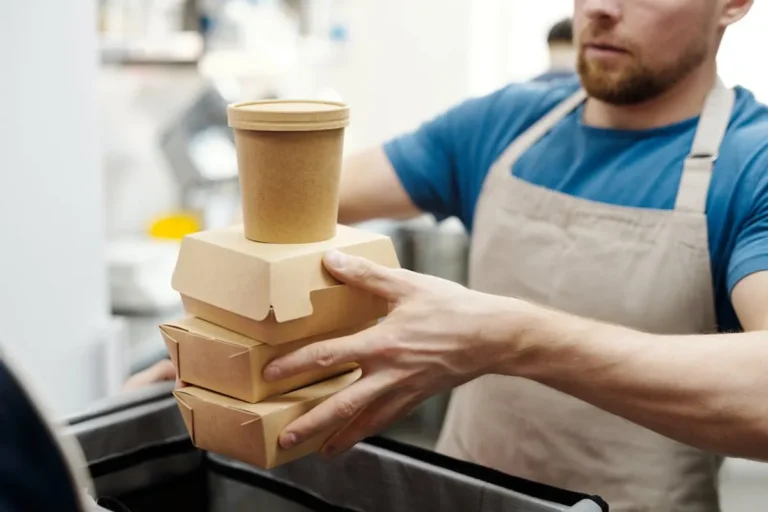
Bagasse is a byproduct of sugarcane processing, specifically the fibrous residue left after juice extraction. This material is gaining traction as a sustainable alternative to traditional paper and plastic, particularly for food service ware and molded packaging. Bagasse is renewable, compostable (under industrial conditions), and often recyclable alongside paper products, provided it is free from food contamination. Its ability to be molded into various shapes offers design flexibility for diverse packaging needs.
Best for: Takeaway food containers, plates, bowls, molded pulp inserts, protective packaging for electronics, egg cartons.
Pros:
- Made from an agricultural waste product, reducing waste and resource consumption.
- Renewable resource, grown annually.
- Can be composted industrially, returning nutrients to the soil.
- Often recyclable in paper streams if clean and unlined.
- Offers good insulation properties for food.
- Molded forms provide cushioning and protection.
Cons:
- Compostability requires access to industrial composting facilities, which are not universally available.
- Can be susceptible to moisture and grease without specific coatings (which may impact recyclability).
- Durability can be lower than plastic for certain applications.
- Recycling acceptance can vary; often only accepted if completely clean.
Verdict: Bagasse offers a compelling sustainable solution, particularly for food service and molded protective packaging, by repurposing agricultural waste. Its recyclability is promising when clean, but its primary environmental benefit often lies in its compostability. Businesses should verify local disposal infrastructure to maximize its environmental benefits.
8. Kraft Paper
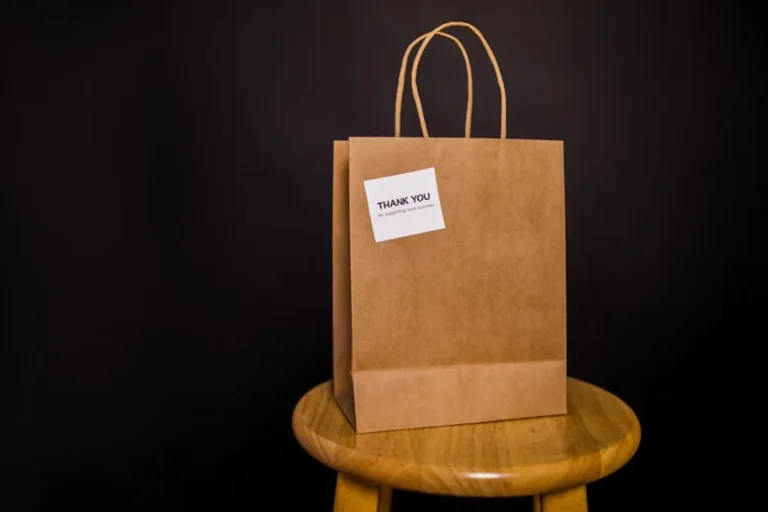
Kraft paper, produced through the sulfate pulping process, is known for its high tensile strength and durability, making it distinct from standard paperboard. Its natural brown color and textured finish convey an organic, artisanal aesthetic often favored by brands emphasizing natural or rustic qualities. Kraft paper is highly recyclable and often contains significant post-consumer recycled content, making it a strong contender for various packaging applications where robustness and a natural appearance are desired.
Best for: Shopping bags, wrapping paper, dunnage, protective void fill, food-grade pouches (with appropriate lining), labels.
Pros:
- High tear and burst strength, offering good product protection.
- Made from renewable wood pulp, often from sustainable sources.
- Widely accepted in paper recycling streams.
- Often contains recycled content.
- Biodegradable and compostable.
- Natural, earthy aesthetic for branding.
Cons:
- Limited barrier properties against moisture, oxygen, and grease without additional coatings or laminations.
- Can be heavier than some plastic films, impacting shipping costs for certain applications.
- More expensive than basic paper for some uses.
- Bleached kraft paper (white) undergoes additional processing, slightly increasing its environmental footprint compared to unbleached.
Verdict: Kraft paper is a versatile and robust recyclable material, especially effective for protective packaging, bags, and applications where a natural look is part of the brand identity. Its strength and broad recyclability make it a reliable choice, provided its inherent lack of barrier properties is addressed for sensitive products.
9. Steel
Steel packaging, primarily in the form of cans, offers exceptional strength, rigidity, and barrier properties, making it ideal for preserving a wide range of food products, aerosols, and industrial goods. Like aluminum, steel is infinitely recyclable without degradation, and its magnetic properties make it relatively easy to separate from other waste streams during recycling. The high recycled content in new steel production underscores its circular economy credentials.
Best for: Food cans (vegetables, soups, pet food), aerosol cans, paint cans, industrial containers, bottle caps.
Pros:
- Infinitely recyclable with no loss of quality.
- High strength and rigidity, providing excellent product protection.
- Excellent barrier against light, oxygen, and moisture.
- Magnetic properties facilitate easy separation in recycling facilities.
- Often contains a high percentage of recycled content.
- Extends product shelf life significantly.
Cons:
- Heavier than aluminum or plastic, contributing to higher transportation emissions.
- Energy-intensive to produce virgin steel.
- Can rust if exposed to moisture, especially if coatings are compromised.
- Limited design flexibility compared to plastics.
- Not suitable for products requiring transparency.
Verdict: Steel packaging is a robust and highly recyclable solution for products needing maximum protection and extended shelf life. Its infinite recyclability and high recycled content make it a strong contender for sustainability, particularly for food and industrial applications where its weight is offset by its superior protective qualities and circularity.
10. Recycled Polypropylene (RPP)
Recycled Polypropylene (RPP) is derived from post-consumer PP waste, commonly found in yogurt cups, bottle caps, and certain flexible films. PP is known for its high heat resistance, chemical resistance, and durability, offering a versatile option for packaging that requires resilience. While PP recycling infrastructure is less developed than PET or HDPE in some regions, efforts are increasing to expand its collection and reprocessing, making RPP an increasingly viable option for brands seeking to incorporate recycled content into their durable plastic packaging.
Best for: Yogurt cups, bottle caps, food containers, automotive parts, industrial packaging, durable consumer goods packaging.
Pros:
- Good heat resistance, suitable for hot-fill applications or microwaveable containers.
- Chemical resistance, protecting contents from degradation.
- Durable and impact-resistant.
- Reduces reliance on virgin fossil fuels.
- Lightweight, contributing to lower transportation emissions.
Cons:
- Recycling infrastructure for PP is less widespread and mature compared to PET and HDPE in many areas.
- Quality and color consistency of RPP can be challenging due to diverse waste streams.
- Can be prone to degradation if reprocessed too many times.
- Requires robust sorting to avoid contamination from other plastics.
Verdict: RPP offers a sustainable pathway for durable, heat-resistant plastic packaging, particularly as recycling infrastructure improves. Businesses considering RPP should assess local recycling capabilities and be prepared for potential variations in material characteristics, leveraging it for applications where its specific properties align with product needs and end-of-life pathways.
11. Mycelium (Mushroom Packaging)
Mycelium packaging, derived from the root structure of mushrooms, represents an innovative, bio-based alternative to traditional foam packaging materials like expanded polystyrene (EPS). Grown by combining mycelium with agricultural waste (e.g., hemp hurds, corn stalks), this material is custom-molded into protective shapes. It is fully compostable and biodegradable, offering a compelling solution for brands seeking to eliminate plastic foam from their supply chains. While not traditionally "recyclable" in the same sense as plastics or paper, its natural decomposition provides a distinct end-of-life benefit.
Best for: Protective void fill, custom inserts for electronics, fragile goods, luxury packaging, horticultural pots.
Pros:
- 100% biodegradable and home compostable, breaking down naturally.
- Made from agricultural waste and renewable fungal growth.
- Low energy input during production (grown, not manufactured with high heat).
- Provides excellent cushioning and shock absorption.
- Lightweight, reducing shipping weight.
- Can be custom-molded to fit specific products.
Cons:
- Not recyclable in traditional paper or plastic streams.
- Susceptible to moisture, limiting applications without protective coatings.
- Production scale and cost can be higher for smaller volumes compared to conventional foams.
- Limited aesthetic options (typically earthy tones, textured finish).
- Shelf life and durability can be less than synthetic foams for long-term storage.
Verdict: Mycelium packaging is an excellent choice for businesses prioritizing biodegradability and compostability over traditional recycling, particularly for protective inserts. It offers a unique, natural aesthetic and a strong environmental story, best suited for products where its specific properties and end-of-life benefits are aligned with brand values and consumer expectations.
12. Cellulose-based Films
Cellulose-based films, such as cellophane or certain bio-based barrier films, are derived from wood pulp, a renewable resource. These films offer transparency, good barrier properties against oxygen and aromas, and can be biodegradable or compostable depending on their specific formulation and coatings. While traditional cellophane is not typically accepted in plastic film recycling streams due to its cellulose composition, newer formulations are emerging that are designed for industrial composting or even home composting, providing a flexible, transparent alternative to conventional plastics.
Best for: Flexible packaging for confectionery, baked goods, fresh produce, flow-wrap applications, window patches on cartons.
Pros:
- Derived from renewable wood pulp.
- Offers transparency, allowing product visibility.
- Good barrier properties against oxygen and aromas for product freshness.
- Some formulations are biodegradable or industrially compostable.
- Printable surface for branding.
- Can offer a crisp, premium feel.
Cons:
- Not typically recyclable in conventional plastic film recycling streams.
- Compostability depends on specific formulations and access to appropriate facilities.
- Moisture barrier can be limited without additional coatings, which may affect biodegradability.
- Can be more expensive than conventional plastic films.
- Less durable than some synthetic films for heavy-duty applications.
Verdict: Cellulose-based films offer a renewable and potentially biodegradable alternative for flexible packaging, particularly where transparency and barrier properties are needed. Businesses must carefully verify the specific film's end-of-life pathway (compostability vs. landfill) and ensure it aligns with product requirements and consumer disposal options, as "recyclability" in the traditional sense is often not applicable.
Selecting the Right Recyclable Packaging Material
Choosing the optimal recyclable packaging material requires a systematic approach that integrates product requirements, supply chain logistics, cost implications, and environmental objectives. Begin by thoroughly analyzing the product's protective needs: does it require moisture barriers, oxygen exclusion, impact resistance, or UV protection? This dictates the initial material pool. Next, consider the entire product lifecycle, from manufacturing and filling processes to transportation, retail display, and consumer use. A material that
Start the conversation
Thoughtful disagreement welcomed. Promotional links quietly removed.