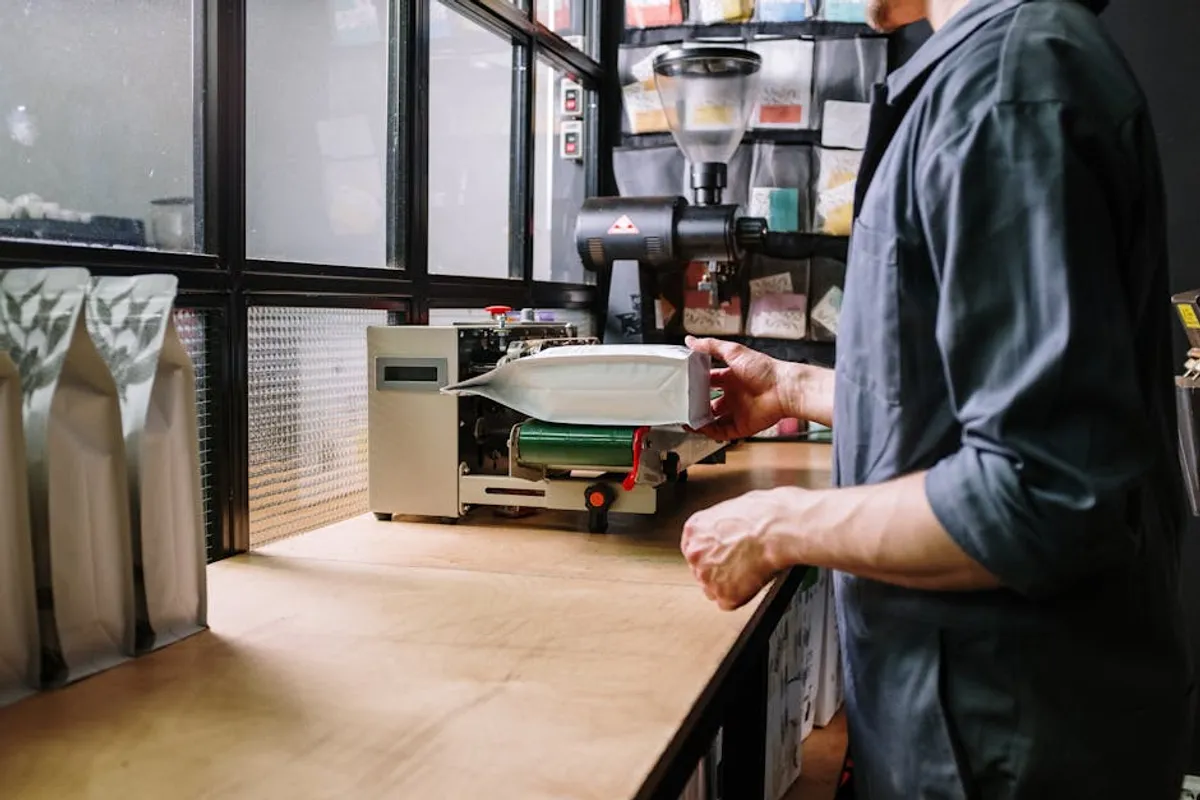
Packaging extends beyond a mere protective shell for products; it functions as a critical touchpoint influencing customer perception, satisfaction, and ultimately, brand loyalty. In a competitive market, where product differentiation can be subtle, the physical presentation often becomes a distinguishing factor, shaping the initial impression and reinforcing brand values long after the purchase. Understanding how packaging directly impacts the customer experience allows businesses to leverage this often-overlooked element as a strategic marketing and retention tool, rather than a simple logistical necessity.
First Impressions and Brand Perception
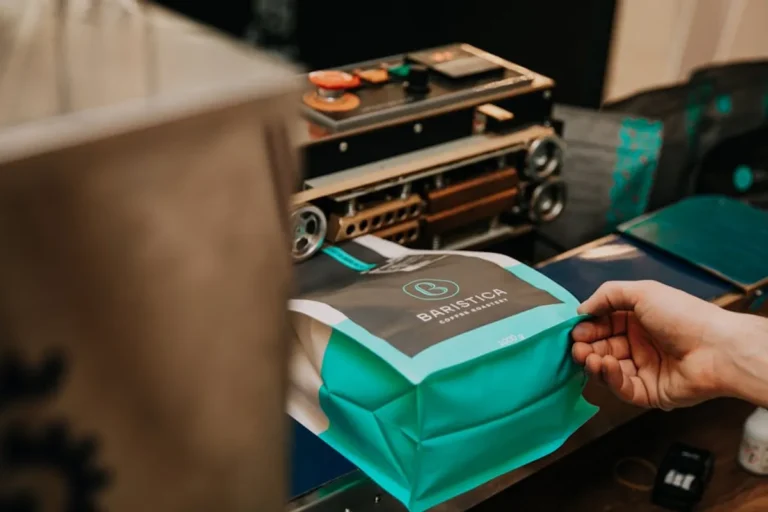
The moment a customer receives a package, a direct interaction with the brand begins. High-quality, thoughtfully designed packaging communicates attention to detail and a commitment to product value. This initial visual and tactile experience sets an immediate tone for the unboxing process. For instance, a sturdy, custom-printed box with a matte finish conveys premium quality more effectively than a generic, flimsy container. The choice of materials, colors, and typography on the packaging reinforces brand identity and can evoke specific emotions or associations, such as luxury, eco-friendliness, or playfulness. This sensory engagement is not superficial; it contributes directly to how a customer perceives the product's worth and the brand's overall professionalism.
Consider the impact of a well-executed unboxing experience. When packaging is designed to be aesthetically pleasing and easy to open, it transforms a transactional event into a memorable moment. This can include custom tissue paper, branded inserts, or a structured interior that cradles the product securely. Such elements demonstrate that the brand values the customer's experience from the first interaction, fostering a sense of delight and anticipation. This positive initial encounter is crucial for establishing trust and encouraging repeat business, as customers associate the positive feeling with the brand itself. Consider the impact of a well-executed unboxing experience, turning a simple delivery into a memorable brand interaction.
Functional Utility and Convenience
Beyond aesthetics, packaging's practical aspects significantly influence customer satisfaction. Effective packaging must primarily protect the product during transit and storage, ensuring it arrives in pristine condition. Damage during shipping leads to returns, negative reviews, and a diminished customer experience, directly impacting operational costs and brand reputation. Robust materials, appropriate cushioning, and secure seals are non-negotiable for maintaining product integrity.
Furthermore, convenience in opening and handling the package is a key factor. Frustrating, overly complex packaging can detract from an otherwise positive product experience. Easy-open features, clear labeling for product identification, and intuitive instructions for assembly or use contribute to a seamless customer journey. Reusable or recyclable packaging also offers added utility, aligning with customer desires for sustainability and providing a secondary function that extends the packaging's value beyond its initial use.
Pro Tip: Conduct A/B testing on packaging designs, focusing on both aesthetic appeal and functional elements like ease of opening. Gather direct customer feedback through surveys or unboxing videos to identify pain points and optimize for a superior experience. Even minor adjustments to perforation lines or adhesive strength can significantly improve user satisfaction.
Post-Purchase Engagement and Loyalty
Packaging serves as a silent salesperson long after the initial purchase. It can be strategically designed to encourage post-purchase engagement and foster long-term loyalty. This includes integrating calls to action, such as QR codes linking to product registration, instructional videos, or social media channels. Including small, thoughtful inserts like thank-you notes, discount codes for future purchases, or samples of other products can create a personalized touch that makes customers feel valued.
The sustainability narrative of packaging is increasingly important for customer loyalty. Many consumers actively seek brands that demonstrate environmental responsibility. Packaging made from recycled, recyclable, or compostable materials, coupled with clear messaging about these efforts, can significantly enhance a brand's appeal and resonate with environmentally conscious buyers. This aligns the brand with customer values, building a stronger emotional connection that transcends the product itself.
The Unboxing Phenomenon
The rise of unboxing videos on platforms like YouTube and Instagram highlights the cultural significance of packaging. For many consumers, the unboxing experience has become an event in itself, influencing purchasing decisions for others. Brands that invest in creating a visually appealing and engaging unboxing process benefit from organic social media exposure. When customers share their positive unboxing experiences, it acts as authentic social proof, reaching a wider audience and building anticipation for prospective buyers. This phenomenon underscores packaging's role as a tangible extension of the brand's marketing efforts.
Sustainability as a Core Expectation
Today's consumers are scrutinizing brands' environmental impact, and packaging is a highly visible aspect of this. Sustainable packaging is no longer a niche concern but a core expectation for a significant segment of the market. Brands that use excessive, non-recyclable, or virgin materials risk alienating customers who prioritize eco-friendly practices. Conversely, brands that visibly commit to reducing waste, using biodegradable components, or offering refillable options can differentiate themselves and build a loyal customer base that values shared environmental principles. This commitment must be transparent and clearly communicated on the packaging itself.
Optimizing Packaging for Customer Satisfaction
Effective packaging design requires a holistic approach, considering both aesthetic and practical elements. The goal is to create a cohesive experience that reflects brand identity while meeting customer needs. Key elements to consider include:
- Material Selection: Choose materials that align with brand values (e.g., luxury, eco-friendly, durable) and protect the product.
- Visual Design: Ensure colors, fonts, and imagery are consistent with brand guidelines and appeal to the target audience.
- Structural Integrity: Design for safe transit, minimizing product damage and reducing returns.
- Ease of Use: Incorporate features that make opening, accessing, and potentially re-using the package straightforward.
- Information Clarity: Provide clear product details, usage instructions, and safety warnings.
- Sustainability: Prioritize recycled, recyclable, or compostable options and communicate these efforts transparently.
- Personalization: Add custom touches like thank-you notes or unique inserts to enhance the unboxing experience.
- Call to Action: Integrate QR codes or links to encourage further engagement (reviews, social media, reorders).
Practical Implementation for Enhanced Experience
To truly leverage packaging for customer experience, businesses must integrate it into their overall brand strategy, not just as a logistical afterthought. Begin by auditing current packaging for both functional flaws and missed branding opportunities. Solicit customer feedback specifically on packaging elements, from ease of opening to material feel. Partner with packaging designers who understand both aesthetic appeal and supply chain realities. Invest in sustainable options where feasible, ensuring that the environmental benefits are clearly communicated. Finally, consider how packaging can extend the brand narrative, turning every delivery into an opportunity to reinforce brand values and delight the customer, ultimately driving repeat business and positive word-of-mouth. Invest in sustainable packaging options where feasible, ensuring that the environmental benefits are clearly communicated to customers.
Frequently Asked Questions
How does packaging influence customer perception of product quality?
High-quality, well-designed packaging often signals a higher quality product inside. Customers infer attention to detail and care from the brand based on the packaging's materials, finish, and overall presentation, influencing their perceived value of the item.
Can sustainable packaging increase customer loyalty?
Yes, for a growing segment of consumers, sustainable packaging is a key factor in purchasing decisions. Brands that visibly commit to eco-friendly packaging align with these values, fostering trust and loyalty among environmentally conscious customers.
What role does unboxing play in the customer experience?
Unboxing transforms the act of receiving a product into an engaging experience. A thoughtfully designed unboxing process creates anticipation and delight, often leading to social media shares that amplify brand visibility and provide authentic social proof.
Is it worth investing in custom packaging for every product?
The value of custom packaging depends on the product, target audience, and brand positioning. For premium products or brands focused on a unique customer experience, custom packaging can be a significant differentiator, justifying the investment through enhanced brand perception and customer loyalty.
Start the conversation
Thoughtful disagreement welcomed. Promotional links quietly removed.