
Selecting the right food packaging extends beyond simple containment; it directly impacts product safety, brand perception, logistical efficiency, and regulatory compliance. For businesses, this decision involves a strategic assessment of material properties, functional requirements, aesthetic appeal, and total cost of ownership. A well-chosen packaging solution protects the product, enhances its market appeal, and streamlines operations, while a suboptimal choice can lead to spoilage, compliance issues, and increased expenses. This guide outlines the critical factors businesses must evaluate to make informed packaging procurement decisions.
Essential Considerations for Food Packaging Selection
Before engaging with suppliers, businesses should define their specific needs across several key dimensions. Each element influences both the functional performance and commercial viability of the packaging.
Material Properties and Sustainability
The choice of material dictates a package's protective qualities, shelf life impact, and environmental footprint. Consider the product's characteristics—is it liquid, solid, perishable, or fragile? Does it require oxygen barriers, moisture resistance, or UV protection? Beyond basic function, sustainability is a growing consumer and regulatory concern. Options range from traditional plastics and glass to innovative compostable and recycled content materials.
- Plastics (PET, PP, HDPE): Offer versatility, light weight, and cost-effectiveness. Suitable for barrier properties against moisture and oxygen, and often recyclable, though collection infrastructure varies.
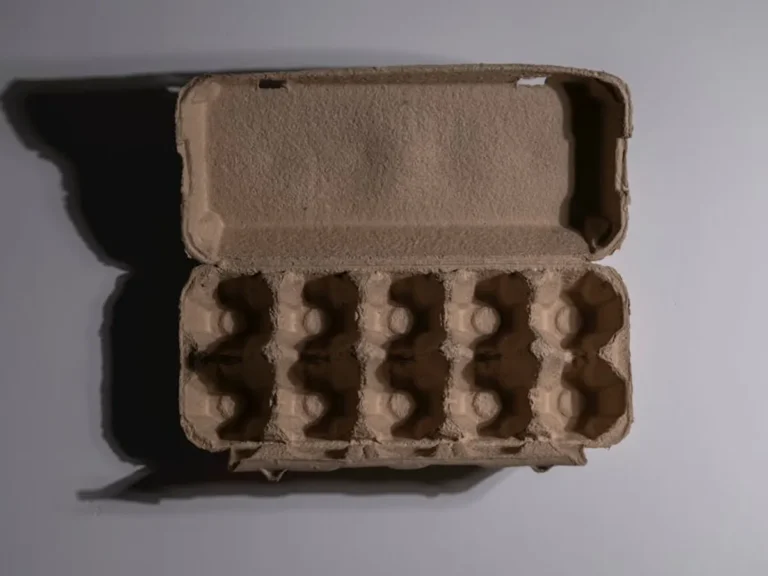
- Paper and Cardboard: Renewable, recyclable, and biodegradable options. Excellent for dry goods, baked goods, and as secondary packaging. Can be coated for grease or moisture resistance.
- Glass: Chemically inert, non-porous, and offers a premium perception. Ideal for preserving flavors and odors. Heavy and fragile, impacting shipping costs and breakage rates.
- Metals (Aluminum, Tinplate): Provide excellent barrier properties against light, oxygen, and moisture. Durable and highly recyclable. Used for cans, trays, and foils.
- Biodegradable/Compostable Materials: Designed to break down naturally. Requires specific industrial composting facilities for true compostability, which may not be universally available.
Functional Requirements and Product Protection
Packaging must perform its primary role: protecting the food product from damage, contamination, and spoilage throughout its lifecycle, from production to consumption. This includes physical protection during transport, barrier protection against environmental factors, and tamper evidence.
Best for: Preserving product integrity and extending shelf life.
Factors to consider include:
- Barrier Properties: Resistance to oxygen, moisture, light, and aroma transfer.
- Temperature Resistance: Ability to withstand freezing, refrigeration, or heating processes.
- Shelf Life: How the packaging contributes to the product's intended shelf life.
- Ease of Use: Consumer-friendly features like re-sealability, easy-open mechanisms, and portion control.
- Transport Durability: Protection against impact, vibration, and compression during shipping.
Branding, Aesthetics, and Consumer Appeal
Packaging serves as a silent salesperson, conveying brand identity and attracting consumers. Visual appeal, tactile experience, and informational clarity contribute to purchasing decisions. High-quality printing, unique shapes, and clear labeling communicate value and differentiate products in a competitive market.
Best for: Market differentiation and brand reinforcement.
Regulatory Compliance and Safety Standards
All food packaging must comply with local, national, and international food safety regulations. These regulations govern materials used, migration limits of substances into food, labeling requirements, and manufacturing practices. Non-compliance can result in product recalls, fines, and reputational damage.
Best for: Ensuring product safety and legal market entry.
Pro Tip: Always request material safety data sheets (MSDS) and certificates of conformity from packaging suppliers. Verify that all proposed materials are approved for direct food contact for your specific product type and intended use temperature range. A proactive approach to compliance minimizes future risks and avoids costly product reworks.
Cost Implications and Supply Chain Efficiency
The total cost of packaging encompasses more than just the unit price. It includes shipping, storage, waste disposal, and potential losses from damaged goods. Efficient packaging design can reduce material usage, optimize palletization, and lower transportation expenses. Minimum Order Quantities (MOQs) from suppliers also influence unit cost and inventory management.
Best for: Optimizing operational expenditure and inventory management.
Selecting a Food Packaging Supplier
Choosing the right supplier is as critical as selecting the right material. A reliable partner offers consistent quality, supports customization, and ensures timely delivery.
When evaluating suppliers, prioritize those with:
- Proven Quality Control: Look for certifications (e.g., ISO 9001, BRCGS Packaging Materials) and robust internal quality assurance processes.
- Customization Capabilities: Ability to produce packaging tailored to your specific dimensions, branding, and functional requirements.
- Flexible MOQs: Suppliers offering a range of MOQs can accommodate businesses of different sizes and production volumes.
- Reliable Lead Times: Clear communication and consistent adherence to delivery schedules are crucial for production planning.
- Technical Support: Access to material science experts or packaging engineers who can advise on optimal solutions and troubleshoot issues.
- Sustainability Initiatives: Suppliers actively working on reducing their environmental impact or offering eco-friendly alternatives.
Optimizing Your Packaging Strategy
A successful food packaging strategy is dynamic, requiring continuous evaluation and adaptation. Regular reviews of consumer feedback, market trends, regulatory updates, and supply chain performance are essential. Consider pilot testing new packaging designs with small batches to assess performance in real-world conditions before a full-scale rollout. Engage with your packaging supplier as a strategic partner, leveraging their expertise to innovate and improve. This proactive approach ensures your packaging remains competitive, compliant, and cost-effective, supporting your business's long-term growth.
Frequently Asked Questions
What are the most important factors for packaging perishable foods?
For perishable foods, barrier properties against oxygen and moisture are paramount to prevent spoilage and extend shelf life. Temperature control, tamper-evident features, and hygienic design are also critical.
How do I ensure my packaging is compliant with food safety regulations?
Work with reputable suppliers who provide documentation like Certificates of Conformity and Material Safety Data Sheets. Research the specific regulations in your target markets (e.g., FDA in the US, EFSA in Europe) and consult with a regulatory expert if needed.
Can sustainable packaging options be cost-effective for small businesses?
While some sustainable materials have higher unit costs, the overall cost-effectiveness depends on factors like reduced shipping weight, consumer preference, and potential tax incentives. Biodegradable or recycled content packaging can also enhance brand image, justifying a slightly higher initial investment.
What is a typical Minimum Order Quantity (MOQ) for custom food packaging?
MOQs vary significantly by material, complexity, and supplier. For highly customized or specialized packaging, MOQs can range from several thousand to hundreds of thousands of units. Stock packaging options often have much lower MOQs, sometimes starting in the hundreds.


Start the conversation
Thoughtful disagreement welcomed. Promotional links quietly removed.