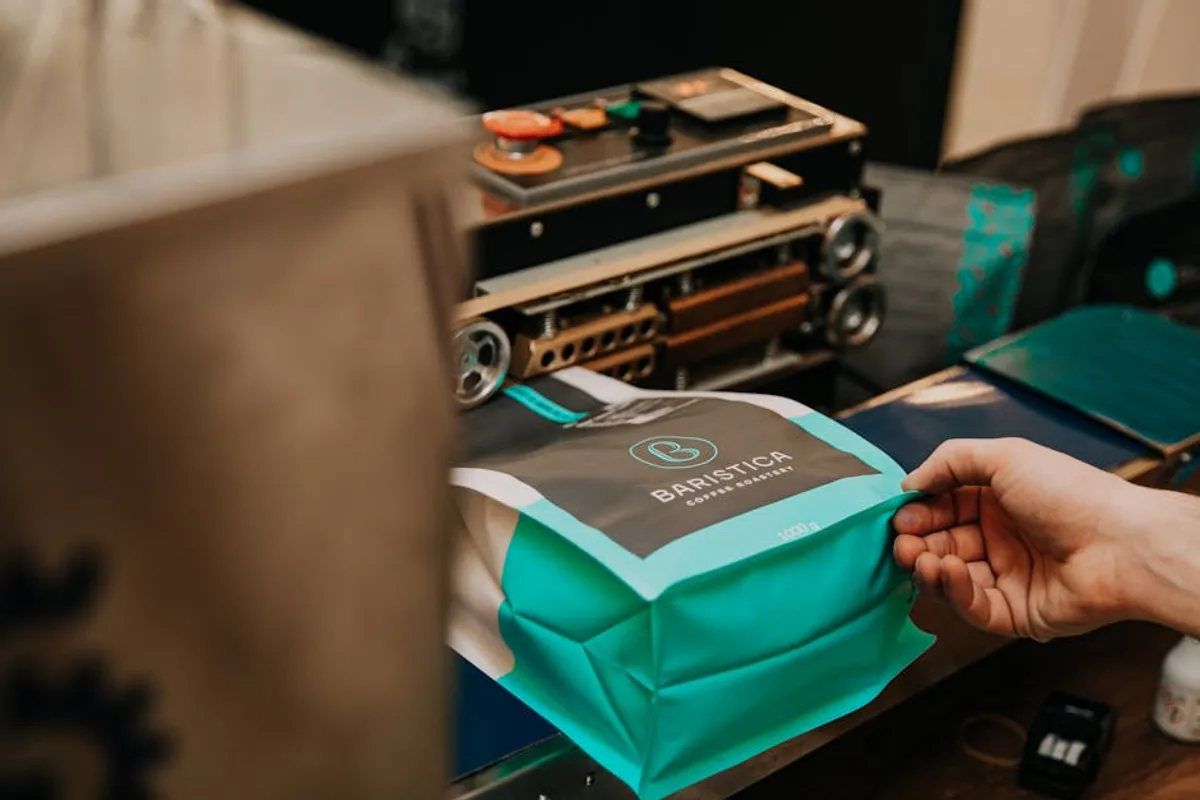
Before committing to a custom packaging order, a structured design checklist is essential to prevent costly revisions, missed deadlines, and misaligned brand representation. This process moves beyond aesthetic preferences, focusing instead on the functional, logistical, and commercial requirements that dictate successful packaging. By systematically addressing each element, businesses ensure their final product not only protects its contents but also reinforces brand identity and meets all operational demands.
Establishing Core Requirements
The initial phase of any packaging project requires defining the fundamental purpose and parameters. Without clear objectives, the design process can drift, leading to solutions that fail to meet critical needs.
Defining Product and Brand Identity
Begin by detailing the product itself. This includes its dimensions (length, width, height, weight), fragility, and any specific environmental sensitivities (e.g., moisture, temperature). Understand how the product will be handled throughout its lifecycle, from manufacturing to consumer use. Simultaneously, articulate your brand's core identity. What message should the packaging convey? Is the brand playful, luxurious, sustainable, or minimalist? This informs color palettes, typography, and overall visual tone. Identify your target audience; packaging for a luxury cosmetic differs significantly from packaging for a children’s toy.
Key considerations:
- Product dimensions and weight
- Fragility and protection requirements
- Brand values and aesthetic guidelines
- Target consumer demographics
- Competitor packaging analysis
Functional Needs and Protection
Beyond aesthetics, packaging must perform a primary function: protecting the product. This involves considering potential stressors during transit and storage. Will the package endure drops, vibrations, or compression? Does it need to be tamper-evident or child-resistant? For food or pharmaceutical products, barrier properties against oxygen, moisture, and light are critical. The opening and reclosing mechanisms also fall under functional design, impacting user experience and product integrity.
Material and Structural Considerations
The choice of material and the structural design are interdependent, influencing durability, cost, sustainability, and visual appeal.
Material Selection and Sustainability
Evaluate materials based on product protection, brand image, and budget. Common options include corrugated cardboard for shipping, paperboard for retail boxes, plastics for flexible pouches or rigid containers, and glass for premium products. Consider the environmental impact; many brands prioritize recycled content, recyclability, or biodegradability. Material thickness, rigidity, and surface finish (e.g., matte, gloss) also play a role in both function and aesthetics. Ensure the chosen material is compatible with the product and any regulatory requirements for contact materials.
Structural Design and User Experience
The package's physical structure dictates its form, functionality, and how a consumer interacts with it. This involves deciding on the box style (e.g., tuck-end, auto-lock bottom, mailer), bottle shape, or pouch configuration. Consider how easy it is to open, access the product, and potentially reclose. An intuitive unboxing experience contributes significantly to customer satisfaction. Internal components like inserts, dividers, or custom fitments are crucial for securing the product and enhancing presentation.
Pro Tip: Request physical samples of potential materials and structural prototypes early in the design process. Digital mock-ups are useful, but tactile interaction reveals critical details about durability, print quality, and the overall unboxing experience that cannot be fully assessed on screen.
Visual and Print Specifications
The graphic design elements are what consumers see first, making precise execution paramount for brand recognition and appeal.
Artwork and Branding Elements
Provide high-resolution artwork files, typically in vector formats (AI, EPS, PDF), for all logos, illustrations, and text. Specify exact color values using Pantone Matching System (PMS) codes for brand consistency, especially for critical brand colors, alongside CMYK values for general printing. Ensure all text is legible and meets minimum size requirements for readability. Include any necessary legal information, such as barcodes, nutritional facts, ingredient lists, or certification marks, ensuring they are correctly placed and sized according to regulatory guidelines.
Printing Techniques and Finishes
Different printing methods yield distinct results. Offset printing offers high quality and cost-efficiency for large runs, while digital printing is suitable for smaller quantities and variable data. Flexographic printing is common for labels and flexible packaging. Discuss special finishes that can elevate the packaging, such as:
- Embossing/Debossing: Raising or lowering specific areas for a tactile effect.
- Foil Stamping: Applying metallic or pigmented foil for a premium look.
- UV Spot Coating: Applying a glossy, clear coating to specific areas to create contrast.
- Soft-Touch Coating: A matte finish that provides a luxurious, velvety feel.
- Die-Cutting: Creating custom shapes or windows in the packaging.
Each finish adds cost, so select strategically to align with budget and brand perception.
Operational and Financial Planning
Beyond design, the practicalities of ordering, cost, and logistics must be thoroughly planned.
Quantity, Budget, and Lead Times
Determine the required order quantity. Minimum Order Quantities (MOQs) vary significantly by supplier, material, and printing method. Establish a clear budget per unit, accounting for design, materials, printing, special finishes, tooling costs (if applicable), and shipping. Inquire about lead times for production and delivery, especially if you have seasonal demands or product launch deadlines. Factor in time for proofing and potential revisions.
Logistics and Fulfillment
Consider how the packaging will be stored, shipped, and assembled. Will it be shipped flat and assembled at your facility, or will it arrive pre-assembled? What are the dimensions and weight of the packaged product for shipping calculations? Does the packaging need to fit specific retail display requirements or e-commerce shipping boxes? Optimizing packaging for efficient storage and shipping can reduce overall operational costs.
Final Verification Steps
Before giving final approval, a series of checks ensures everything is correct and functional.
Prototyping and Testing
Always request a physical prototype or sample. This allows for a comprehensive review of the material, structural integrity, print quality, and color accuracy. Test the packaging with your actual product to confirm fit, protection, and ease of use. Conduct drop tests or shipping simulations if product fragility is a concern. Verify that all legal and informational text is correct and legible.
Regulatory Compliance and Quality Control
Ensure the packaging complies with all relevant industry-specific regulations, safety standards, and labeling laws in your target markets. This is particularly critical for food, pharmaceutical, and children's products. Establish clear quality control standards with your supplier regarding color consistency, material defects, and structural integrity. Define acceptable tolerances for variations.
Ensuring a Successful Packaging Launch
A meticulous approach to packaging design before placing an order safeguards against costly errors and ensures the final product effectively represents your brand and protects your goods. By systematically working through these checklist items, businesses can move forward with confidence, knowing their packaging is optimized for both market appeal and operational efficiency.
Frequently Asked Questions
What file formats are typically required for packaging artwork?
Suppliers generally prefer vector-based files such as AI (Adobe Illustrator), EPS, or high-resolution PDFs. These formats allow for scalable artwork without loss of quality, which is crucial for precise printing.
How important is a physical prototype?
Extremely important. A physical prototype allows you to verify dimensions, material feel, structural integrity, print quality, and the overall unboxing experience with your actual product, catching potential issues before mass production.
What is the difference between CMYK and Pantone colors?
CMYK (Cyan, Magenta, Yellow, Key/Black) is a subtractive color model used in four-color process printing to create a wide range of colors. Pantone Matching System (PMS) colors are standardized spot colors, ensuring exact color consistency across different print runs and materials, which is vital for brand-specific hues.
How can I ensure my packaging is sustainable?
Focus on using materials with recycled content, ensuring recyclability or biodegradability, and minimizing excess material. Communicate your sustainability goals to your supplier early to explore eco-friendly material options and design choices.

Start the conversation
Thoughtful disagreement welcomed. Promotional links quietly removed.