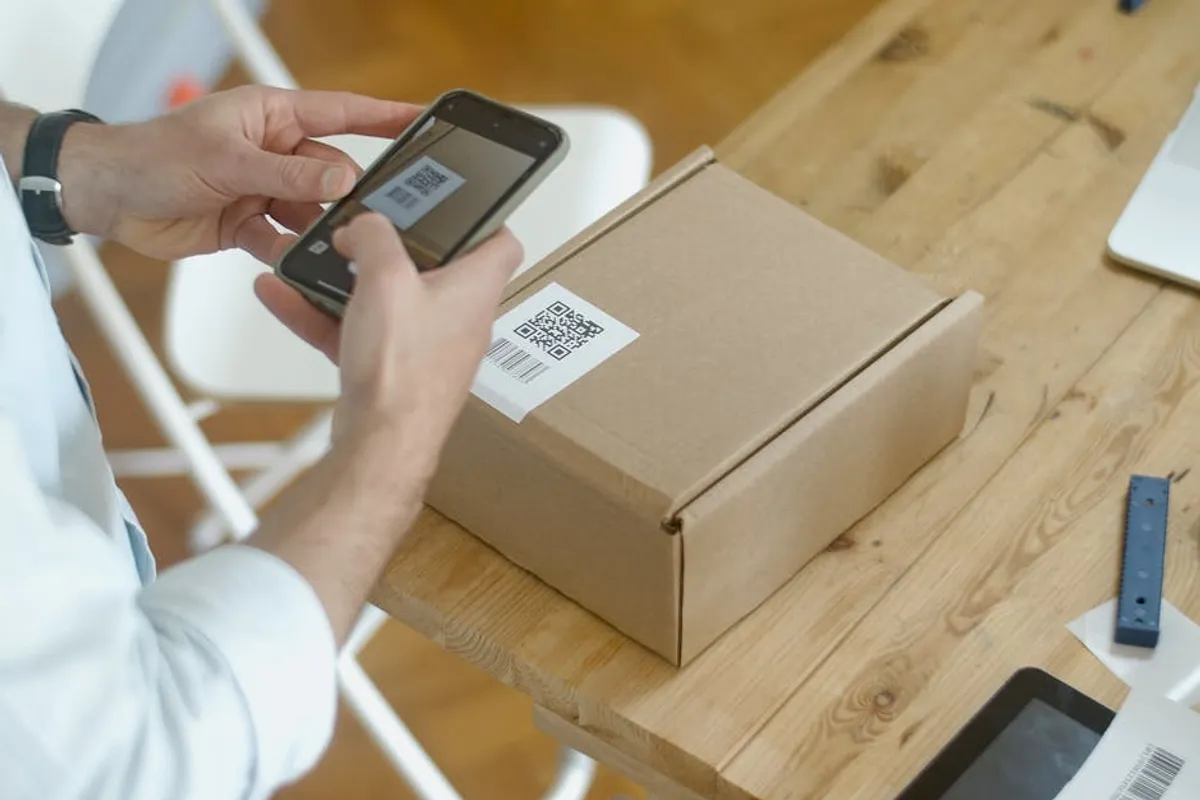
For small shops, retail packaging extends beyond mere product protection; it represents a critical touchpoint for brand identity, customer experience, and perceived value. Thoughtful packaging transforms a transaction into an event, reinforcing brand messaging and fostering customer loyalty. The right choices can elevate an unboxing moment, differentiate products in a crowded market, and even serve as a silent marketing tool, carrying your brand's aesthetic and values into the customer's home and beyond. Conversely, generic or ill-fitting packaging can undermine product quality and leave a forgettable impression. The decision process involves balancing cost, sustainability, brand aesthetic, and practical considerations like product protection and shipping logistics. When thinking about elevating your brand, exploring ideas for custom packaging can significantly enhance customer perception and loyalty.
What to Look For in Retail Packaging for Small Shops
Selecting the optimal retail packaging requires a strategic approach, considering several key factors that directly impact both your brand and your bottom line. First, assess your brand identity: Does your shop exude luxury, eco-consciousness, artisanal charm, or modern minimalism? Your packaging should visually align with this identity. Second, consider your product type. Fragile items demand robust protection, while apparel might prioritize soft, tactile materials. Perishable goods require specialized thermal or moisture-resistant solutions. Third, evaluate your budget constraints. Custom, high-end packaging commands a higher unit cost, but simpler, branded options like stickers or stamps can provide significant impact at a lower entry point. Fourth, sustainability is increasingly important to consumers. Options like recycled content, compostable materials, or reusable packaging can resonate strongly with your target audience. Finally, think about logistics: Will items be shipped, picked up in-store, or both? Packaging must withstand transit rigors or be convenient for carry-out, influencing material choices and structural design.
1. Custom Printed Paper Bags
Custom printed paper bags serve as a fundamental branding tool for any small shop, offering a mobile advertisement as customers leave your premises. These bags come in various paper weights, finishes (matte, gloss, kraft), and handle types (twisted paper, flat paper, cotton rope). The ability to print a logo, brand colors, and even a short tagline transforms a functional item into a brand ambassador, carrying your shop's aesthetic beyond the point of sale. They convey professionalism and attention to detail, enhancing the perceived value of the purchase.
Best for: Apparel boutiques, gift shops, bookstores, specialty food stores, and any retail environment where customers carry purchases out of the store.
Pros:
- High Visibility: Acts as a walking advertisement, increasing brand exposure in the local community.
- Professional Appearance: Elevates the customer experience and reinforces brand quality.
- Versatility: Available in a wide range of sizes, materials, and handle options to suit different product types and brand aesthetics.
- Cost-Effective Branding: Offers significant brand impact at a relatively low per-unit cost compared to other custom packaging.
Cons:
- Environmental Impact: While often recyclable, single-use bags contribute to waste if not properly disposed of.
- Durability Concerns: Some lighter paper bags may not withstand heavy or sharp items, requiring thicker, more expensive options.
- Minimum Order Quantities: Custom printing often requires higher minimum orders, which can be a barrier for very small-scale operations.
Verdict: An essential component for in-store retail, custom paper bags offer unparalleled brand visibility and a polished presentation. Prioritize options with recycled content or FSC certification to align with sustainability values, and select paper weights appropriate for your typical product load.
2. Branded Eco-Friendly Mailers
For small shops primarily operating online or offering shipping, branded eco-friendly mailers provide an immediate, positive brand impression upon arrival. These mailers are typically made from recycled content, compostable polymers, or plant-based materials, addressing growing consumer demand for sustainable practices. Custom printing allows for direct branding, turning a simple shipping vessel into an extension of your shop's commitment to both quality and environmental responsibility. They offer a lighter, more flexible alternative to traditional boxes for non-fragile items.
Best for: E-commerce businesses, apparel brands, subscription boxes, small accessories, and products that do not require rigid protection during shipping.
Pros:
- Sustainability Appeal: Resonates with environmentally conscious consumers, enhancing brand perception.
- Lightweight: Reduces shipping costs compared to heavier box packaging.
- Customizable: Allows for full-color printing of logos, patterns, and messaging, reinforcing brand identity.
- Space-Efficient: Mailers take up less storage space than boxes, beneficial for small operations.
Cons:
- Limited Protection: Not suitable for fragile or easily crushed items without additional internal padding.
- Cost Premium: Eco-friendly materials can sometimes be more expensive than conventional plastic poly mailers.
- Material Degradation: Compostable options may have a shorter shelf life if not stored correctly before use.
Verdict: A strategic choice for online retailers focused on sustainability and efficient shipping. Invest in high-quality printing to ensure your brand stands out, and pair with appropriate internal protection for delicate goods. Clearly communicate the eco-benefits to your customers.
3. Custom Product Boxes
Custom product boxes offer a premium unboxing experience and robust protection for a wide range of goods. These can be tailored in size, shape, material (cardboard, corrugated, rigid board), and finish, allowing for intricate designs, embossed logos, and specialized inserts. Beyond protection, a well-designed product box communicates luxury, craftsmanship, or exclusivity, making the product feel more substantial and valuable. They are particularly effective for items that benefit from a structured presentation.
Best for: Jewelry, cosmetics, electronics, artisanal food products, luxury goods, subscription boxes, and delicate items requiring significant protection.
Pros:
- Superior Protection: Offers excellent structural integrity, safeguarding contents during transit and handling.
- Enhanced Unboxing Experience: Creates a memorable and luxurious presentation, elevating perceived product value.
- Extensive Customization: Allows for unique shapes, finishes, and internal fitments that perfectly cradle the product.
- Brand Storytelling: Provides ample surface area for detailed branding, product information, and storytelling elements.
Cons:
- Higher Cost: Custom boxes are generally more expensive per unit, especially for smaller runs and complex designs.
- Storage Requirements: Can take up significant storage space, particularly if not shipped flat.
- Environmental Footprint: Larger boxes use more material, though many are recyclable or made from recycled content.
Verdict: Ideal for shops selling higher-value or fragile items where the unboxing experience is a critical part of the brand promise. Focus on structural integrity and design details that reinforce your product's quality. Consider using recycled content or minimalist designs to mitigate environmental concerns.
4. Branded Tissue Paper and Void Fill
Branded tissue paper and various void fills (like crinkle paper, wood wool, or shredded paper) are internal packaging elements that add layers of brand experience and product protection. Tissue paper, often printed with a subtle logo or pattern, offers a delicate touch, while void fills cushion items, preventing movement and damage. These elements contribute to the sensory aspect of unboxing, creating anticipation and a sense of care. They are versatile, adaptable to different product types, and can be used in conjunction with other packaging like boxes or mailers.
Best for: Apparel, delicate gifts, cosmetics, small ceramics, and any product shipped in a box or mailer where presentation and protection against shifting are important.
Pros:
- Enhanced Presentation: Adds a layer of sophistication and care, making the unboxing feel more special.
- Product Protection: Cushions items, preventing scratches, scuffs, and movement within the package.
- Cost-Effective Customization: Branded tissue paper is a relatively inexpensive way to add a custom touch.
- Eco-Friendly Options: Many void fills (shredded paper, wood wool) are recyclable, compostable, or made from recycled content.
Cons:
- Limited Primary Protection: Not sufficient on its own for highly fragile items without additional rigid packaging.
- Labor Intensive: Wrapping items in tissue or arranging void fill adds to packing time.
- Bulkiness: Void fill can take up considerable storage space.
Verdict: An excellent secondary packaging element for elevating the unboxing experience and providing gentle protection. Choose colors and patterns that align with your brand, and opt for eco-friendly void fill materials to enhance your shop's sustainable image.
5. Custom Labels and Stickers
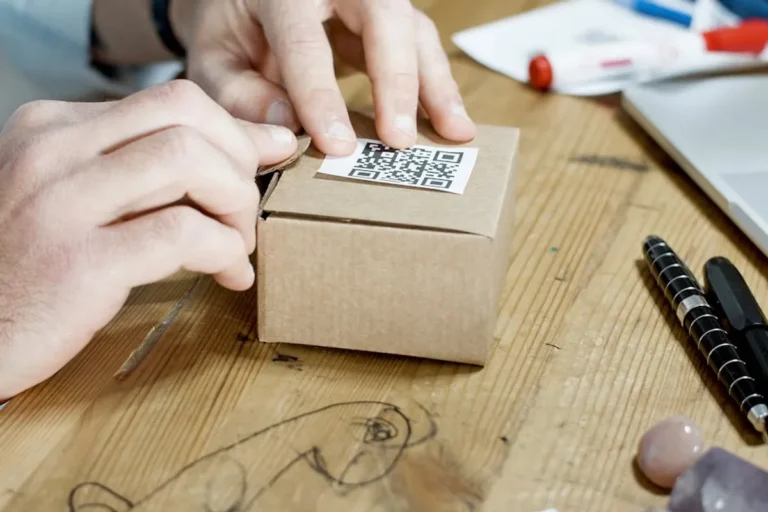
Custom labels and stickers are among the most versatile and cost-effective branding tools for small shops. They can transform plain, off-the-shelf packaging into branded solutions without the high minimum order quantities or unit costs of full custom prints. Applied to boxes, mailers, product containers, or even directly onto products, stickers provide instant brand recognition, product information, or decorative accents. They allow for flexible branding across a diverse product range without requiring unique packaging for each item.
Best for: Artisanal food products, cosmetics, candles, small batch goods, general merchandise, and shops looking for flexible, budget-friendly branding on existing packaging.
Pros:
- Highly Cost-Effective: Low barrier to entry for custom branding, especially for small businesses.
- Versatile Application: Can be applied to almost any surface – bags, boxes, jars, bottles, or directly on products.
- Flexibility: Allows for quick changes in branding, seasonal designs, or limited-edition product labeling.
- Low Minimum Order Quantities: Often available in small batches, reducing initial investment and waste.
Cons:
- Labor Intensive: Manual application can be time-consuming for high-volume operations.
- Perceived Value: May not convey the same premium feel as fully custom-printed packaging for luxury goods.
- Durability: Quality varies; some cheaper stickers may peel, fade, or not withstand moisture.
Verdict: An indispensable tool for budget-conscious small shops seeking effective branding. Invest in high-quality, durable materials that match your brand aesthetic, and consider unique shapes or finishes to maximize impact. They are ideal for testing new branding elements or product lines without significant investment.
6. Reusable Branded Tote Bags
Reusable branded tote bags offer a dual benefit: they serve as practical packaging for customer purchases and act as long-term mobile advertisements. Unlike single-use bags, tote bags have a perceived value that encourages customers to reuse them, extending your brand's reach far beyond the initial transaction. They come in various materials like cotton, canvas, jute, or non-woven polypropylene, allowing for different price points and sustainability profiles. The larger surface area provides ample space for prominent branding and messaging.
Best for: Fashion retailers, bookstores, specialty grocery stores, event merchandise, and shops aiming for a strong eco-conscious brand image and long-term brand exposure.
Pros:
- Extended Brand Exposure: Customers reuse the bags, turning them into ongoing advertisements.
- Sustainability: Reduces reliance on single-use packaging, appealing to eco-conscious consumers.
- Perceived Value: Customers often appreciate and value a reusable bag, enhancing their overall experience.
- Versatile: Can carry a wide range of products and are suitable for diverse retail environments.
Cons:
- Higher Unit Cost: Significantly more expensive per unit than paper or plastic bags.
- Storage Space: Requires more storage space than flat-packed disposable bags.
- Customer Adoption: While many reuse, some customers may still discard them, diminishing the sustainability benefit.
Verdict: A powerful branding and sustainability statement, particularly effective for shops with a higher average transaction value or a strong commitment to environmental responsibility. Offer them as an upgrade or include them with larger purchases to maximize their marketing potential and perceived value.
7. Custom Ribbons and Twine
Custom ribbons and twine add an elegant, artisanal, or rustic touch to packaging, enhancing the perceived quality and gift-worthiness of a product. A simple box or bag can be transformed with a branded ribbon tied in a bow or a piece of natural twine with a small hang tag. These small details convey attention and care, making the unboxing experience more luxurious or charming. They are particularly effective for special occasions, holiday packaging, or products positioned as gifts.
Best for: Gift shops, jewelry stores, bakeries, high-end boutiques, artisanal product lines, and any shop looking to add a refined or handcrafted finishing touch.
Pros:
- Elevated Presentation: Adds a touch of luxury, elegance, or rustic charm to otherwise simple packaging.
- Brand Reinforcement: Custom printed ribbons subtly reinforce brand identity.
- Versatile: Can be used with bags, boxes, or even directly around products like apparel or candles.
- Relatively Affordable: A cost-effective way to add a premium feel without overhauling primary packaging.
Cons:
- Labor Intensive: Tying ribbons or twine adds time to the packing process.
- Fragility: Some ribbons can fray or wrinkle easily, diminishing the aesthetic.
- Environmental Concerns: Synthetic ribbons are not biodegradable, though natural twine offers an eco-friendly alternative.
Verdict: An impactful detail for shops aiming to create a memorable and visually appealing unboxing. Select materials and colors that complement your brand's aesthetic, and consider natural fibers like cotton or jute twine for a sustainable option. Reserve for products where the added touch justifies the extra labor.
8. Rubber Stamps for Branding
Rubber stamps offer an extremely flexible and budget-friendly solution for branding plain packaging materials. A custom-made stamp with your logo, shop name, or a simple design can be applied to paper bags, shipping boxes, tissue paper, or even product tags. This method allows small shops to maintain a consistent brand presence without committing to large minimum orders for custom-printed items. It also lends a handcrafted, artisanal feel, which can be a strong brand differentiator for certain businesses.
Best for: Craft businesses, small batch makers, vintage shops, pop-up stores, and businesses with fluctuating packaging needs or a desire for a DIY aesthetic.
Pros:
- Highly Cost-Effective: Low initial investment for the stamp, and plain packaging materials are inexpensive.
- Extreme Flexibility: Can brand a variety of surfaces and materials as needed, reducing waste.
- Artisanal Aesthetic: Imparts a handmade, authentic feel that resonates with certain brands and customers.
- Low Minimums: No minimum order quantities for packaging materials, just the stamp itself.
Cons:
- Labor Intensive: Manual stamping can be time-consuming and inconsistent for high volumes.
- Quality Variation: Stamp impressions can vary in clarity and consistency depending on technique and ink.
- Limited Detail: Intricate logos or fine text may not reproduce well with stamping.
Verdict: An excellent entry-level branding solution for small shops, especially those valuing a handmade aesthetic or operating on a tight budget. Invest in a high-quality stamp and ink pad for crisp impressions, and practice to ensure consistency. It's ideal for adding a personal touch to every package.
9. Protective Internal Packaging
Protective internal packaging, such as shredded paper, wood wool, packing peanuts (biodegradable options), or custom foam inserts, is crucial for safeguarding fragile items during transit. Beyond pure protection, these materials also contribute to the unboxing experience by filling void space and presenting the product securely. The choice of material can reflect brand values, with natural or recycled options appealing to eco-conscious consumers. Custom inserts can precisely fit products, offering superior protection and a premium presentation.
Best for: Ceramics, glassware, electronics, delicate artwork, candles, and any product prone to breakage or damage during shipping.
Pros:
- Damage Prevention: Essential for ensuring products arrive intact, reducing returns and customer dissatisfaction.
- Enhanced Presentation: Neatly arranged void fill or custom inserts make the product feel secure and valued.
- Variety of Options: Wide range of materials, including eco-friendly choices like shredded paper or cornstarch peanuts.
- Versatility: Can be used in conjunction with various outer packaging types (boxes, mailers).
Cons:
- Added Cost: Increases the overall cost per package.
- Storage Space: Can require significant storage space, especially for loose fill materials.
- Environmental Concern: Traditional foam peanuts are problematic, necessitating careful selection of biodegradable alternatives.
Verdict: Non-negotiable for fragile products. Prioritize materials that offer adequate cushioning while aligning with your brand's sustainability goals. Custom-cut inserts provide the best protection and presentation but come at a higher cost, justified for high-value or extremely delicate items.
10. Custom Branded Sealing Tape
Custom branded sealing tape is an often-overlooked yet effective branding opportunity for small shops that ship products. Instead of plain brown or clear tape, using tape printed with your logo, website, or a simple pattern transforms the exterior of a shipping box into a cohesive brand statement. It adds a professional touch, reinforces brand identity from the moment the package arrives, and can even act as a subtle security feature, indicating tampering if the tape is broken.
Best for: E-commerce businesses, subscription box services, and any shop that regularly ships products in boxes, looking to enhance brand consistency and professionalism.
Pros:
- Professional Appearance: Elevates the look of standard shipping boxes, making them feel more premium.
- Brand Reinforcement: Provides consistent branding from the outside of the package.
- Cost-Effective: A relatively inexpensive way to customize shipping materials without custom printing boxes.
- Security Feature: Can deter tampering, as branded tape is harder to replace discreetly.
Cons:
- Limited Visual Impact: Primarily seen on the exterior of the shipping box, less impactful than internal packaging.
- Minimum Order Quantities: Custom tape typically requires larger minimum orders than stickers.
- Application Time: Still requires manual application, though no more than standard tape.
Verdict: A smart investment for any shop shipping a moderate to high volume of products. It offers a professional finish and continuous brand exposure. Choose durable tape material and a design that is clear and legible when applied to various box surfaces.
11. Hang Tags and Product Sleeves
Hang tags and product sleeves provide an additional opportunity for branding, product information, and storytelling, often at the point of display or within the package. Hang tags, typically attached to apparel, jewelry, or gifts, can include pricing, care instructions, brand history, or a call to action. Product sleeves, often made of paperboard, slide over items like soaps, candles, or small boxes, offering a branded wrapper without fully enclosing the product. Both allow for intricate designs and premium finishes, enhancing perceived value.
Best for: Apparel, jewelry, handmade goods, candles, soaps, gourmet food items, and products where additional information or a premium finish is desired without full custom boxing.
Pros:
- Information Delivery: Efficiently conveys pricing, sizing, care instructions, or brand story.
- Brand Enhancement: Adds a professional and polished look, reinforcing brand identity.
- Versatility: Can be customized in shape, size, material, and finish to match any brand aesthetic.
- Cost-Effective Customization: Often more affordable than full custom packaging for individual items.
Cons:
- Labor Intensive: Requires manual attachment or application to each product.
- Limited Protection: Offers minimal physical protection to the product itself.
- Potential for Damage: Tags can tear or sleeves can wrinkle if not handled carefully.
Verdict: Highly effective for adding essential information and a touch of brand sophistication to individual products. Design them to be visually appealing and informative, using quality cardstock or materials that align with your brand's overall aesthetic. Consider unique shapes or finishes for added impact.
12. Pouch Packaging for Small Goods
Pouch packaging, particularly stand-up pouches or flat bags, is an excellent solution for small goods, granular products, or items that benefit from being sealed. Available in various materials like kraft paper, clear plastic, or metallized films, these pouches can be custom printed, offering an attractive, lightweight, and often resealable option. They are ideal for products requiring freshness, protection from moisture, or a compact presentation. The ability to stand upright on shelves makes them retail-friendly.
Best for: Coffee beans, loose-leaf tea, spices, small candies, bath salts, pet treats, small hardware, and any product requiring a sealed, compact, or flexible container.
Pros:

Start the conversation
Thoughtful disagreement welcomed. Promotional links quietly removed.