Branded paper bags function as mobile advertisements and tangible extensions of your event or promotion, moving beyond simple packaging to become a key touchpoint. The decision to invest in branded bags is a strategic one, requiring careful consideration of your objectives, audience, and budget to ensure the final product effectively communicates your brand identity and delivers lasting value. This isn't merely about slapping a logo on a bag; it's about crafting a portable brand experience that resonates with recipients and reinforces your message long after the event concludes.
Defining Your Branding Objectives
Before selecting materials or designs, clarify what you aim to achieve with your branded paper bags. Different objectives dictate different approaches. For instance, a luxury product launch requires a bag that conveys exclusivity and premium quality, while a trade show giveaway might prioritize broad visibility and practicality. Consider these core questions:
- Target Audience: Who will receive these bags? Their demographics, preferences, and typical use cases for a bag will inform material choice, size, and design sophistication. A younger, eco-conscious demographic might respond better to recycled kraft, while a corporate audience might prefer a more polished, laminated finish.
- Event or Promotion Type: Is it a one-day conference, a multi-day festival, a retail promotion, or a product launch? The duration and nature of the event influence the bag's required durability and the complexity of the messaging. A bag for a short event might tolerate lighter materials, whereas a bag intended for repeated use needs to withstand wear.
- Desired Brand Perception: Do you want to appear eco-friendly, high-end, playful, or professional? Every element, from paper texture to handle type, contributes to this perception. Inconsistent branding elements can dilute your message.
- Budget Constraints: Cost per bag varies significantly based on material, printing process, and customization. Establishing a clear budget early helps narrow down feasible options without compromising core branding goals.
Material Selection: Durability and Aesthetics
The choice of paper stock is fundamental, impacting both the bag's appearance and its functional lifespan. Evaluate paper based on its grammage (GSM), finish, and environmental credentials.
Kraft Paper: Available in natural brown or bleached white, kraft is known for its strength and often contains recycled content, making it a popular choice for eco-conscious brands. Its rustic appeal suits organic, artisanal, or casual brands.
Best for: Brands emphasizing sustainability, natural aesthetics, or requiring a cost-effective yet sturdy option for high-volume distribution.
Coated Art Paper: This paper features a smooth, often glossy or matte, surface that allows for vibrant, high-resolution printing. It offers a more refined and premium feel than kraft.
Best for: Brands requiring precise color reproduction, photographic imagery, or a sophisticated finish for product launches and high-end retail.
Specialty Papers: Options like textured paper, embossed paper, or those with unique finishes can elevate the bag's tactile experience and visual appeal, conveying luxury or uniqueness.
Best for: Niche brands, limited-edition promotions, or luxury markets where the bag itself is part of the premium product experience.
Design Principles for Event Bags
Effective design ensures your branded bag is not just seen, but remembered and appreciated. Prioritize clarity, consistency, and visual appeal.
Logo Placement and Size: Your logo should be prominent but not overwhelming. Central placement on the main faces is common. Ensure it scales well and remains legible from a distance.
Brand Colors: Use your established brand palette consistently. Color psychology plays a role; ensure your bag's colors align with your brand's emotional messaging.
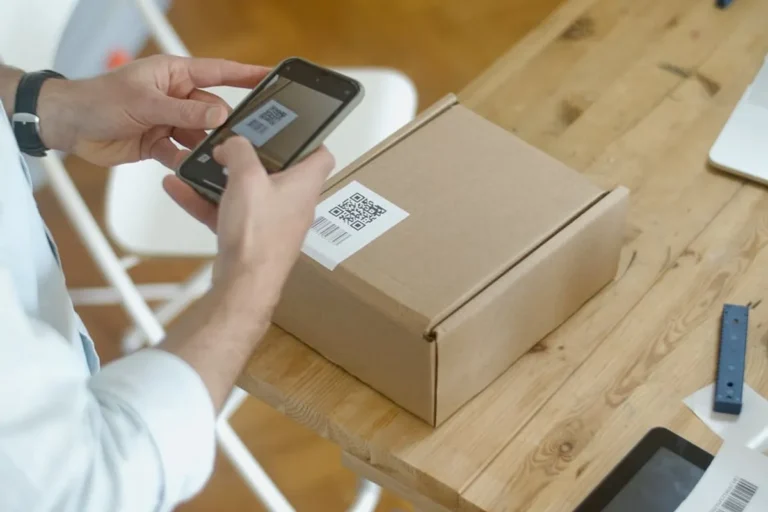
Messaging and Call to Action: Beyond the logo, consider a concise tagline, event hashtag, or a QR code linking to a landing page. Keep text minimal and impactful.
White Space: Avoid clutter. Strategic use of white space makes your design appear cleaner, more professional, and allows key elements to stand out.
Legibility: Choose fonts that are easy to read, even when printed on a textured surface or viewed quickly. Sans-serif fonts often offer better clarity for bag branding.
Printing Techniques and Finishes
The printing method significantly impacts visual quality, cost, and production lead time. Finishes add an extra layer of protection and aesthetic enhancement.
Flexography: A cost-effective method for large-volume orders (typically over 5,000 units), using flexible plates. It's excellent for solid colors and simple designs.
Best for: High-volume promotional giveaways where unit cost is paramount and design complexity is moderate.
Offset Printing: Offers superior image quality and color accuracy, ideal for intricate designs and photographic reproductions. It requires higher setup costs but becomes economical for large runs (over 1,000 units).
Best for: Premium brands or detailed graphic designs where color fidelity and image sharpness are critical.
Digital Printing: Suitable for smaller runs and designs requiring variable data (e.g., unique QR codes per bag). It has lower setup costs but higher per-unit costs than flexo or offset.
Best for: Short-run events, personalized bags, or when rapid turnaround is necessary.
Finishes:
- Lamination (Gloss/Matte): Adds durability, water resistance, and a premium feel. Gloss enhances color vibrancy, while matte provides a sophisticated, non-reflective look.
- Spot UV: Applies a clear, glossy coating to specific areas, creating a contrast in texture and drawing attention to design elements like logos.
- Embossing/Debossing: Creates a raised (embossing) or recessed (debossing) effect, adding a tactile, three-dimensional element without color. Ideal for subtle luxury.
Pro Tip: Consider the post-event lifecycle of your branded bag. A well-designed, durable bag is more likely to be reused by recipients, extending your brand's exposure far beyond the initial event. Encourage reuse with a subtle call to action like "Reuse me!" or by ensuring the design is appealing enough for everyday use.
Sizing and Handle Options
The bag's dimensions and handle type affect its practicality and perceived value.
Sizing: Choose a size appropriate for the items it will contain. Oversized bags are cumbersome, while undersized bags are impractical. Standard retail sizes often work, but custom dimensions can be necessary for unique products or presentation requirements. Always consider the volume and weight of the contents.
Handle Options:
- Twisted Paper Handles: Common, durable, and cost-effective. Suitable for a wide range of uses.
- Flat Paper Handles: More economical than twisted, often integrated directly into the bag. Best for lighter items.
- Rope Handles (Cotton/PP): Offer a premium feel and superior strength, often seen on luxury retail bags.
- Ribbon Handles: Add an elegant touch, often color-matched to branding. Suitable for lighter, more delicate items.
Maximizing Your Branded Bag Investment
Effective branding extends beyond the bag itself. Integrate your bag strategy into your broader marketing efforts.
Distribution Strategy: How and where will the bags be distributed? Ensure staff are briefed on how to present the bags to maximize impact. For instance, a well-folded bag handed with care conveys more value than a crumpled one tossed across a counter.
Social Media Integration: Encourage recipients to share photos of their bags using a specific hashtag. This amplifies reach and generates user-generated content.
Feedback and Iteration: Post-event, gather feedback on bag design and functionality. Did it meet expectations? Was it reused? This data informs future branding decisions, ensuring continuous improvement.
Common Questions on Branded Paper Bags
What is the typical lead time for custom branded paper bags?
Lead times vary significantly based on customization complexity, order volume, and the chosen printing method. Standard orders for basic designs might take 3-4 weeks, while complex designs, specialty materials, or large volumes can require 6-12 weeks, especially for international production. Always confirm exact lead times with your supplier. To avoid delays and ensure satisfaction, consult a comprehensive checklist for ordering custom paper bags before you finalize anything.
Are eco-friendly paper bag options truly sustainable?
Many paper bag options offer sustainability benefits. Recycled content kraft paper, FSC-certified paper (indicating responsible forest management), and bags printed with water-based inks are common choices. The sustainability of a bag also depends on its reusability and proper disposal by the end-user. Discuss specific certifications and material sourcing with your supplier.
What file formats are required for submitting design artwork?
Most printers require vector-based artwork files (e.g., AI, EPS, PDF) to ensure scalability without loss of quality. Ensure all fonts are outlined and colors are specified using a consistent color system like Pantone (PMS) for accurate reproduction. High-resolution raster images (JPG, TIFF) may be acceptable for photographic elements, but vector is preferred for logos and text.
What is the minimum order quantity (MOQ) for custom branded paper bags?
MOQs depend on the manufacturer and the level of customization. Digital printing can accommodate MOQs as low as 100-250 units, while flexographic or offset printing typically start at 1,000-5,000 units due to plate setup costs. Discuss your required quantity with potential suppliers to find the most cost-effective solution.

Start the conversation
Thoughtful disagreement welcomed. Promotional links quietly removed.