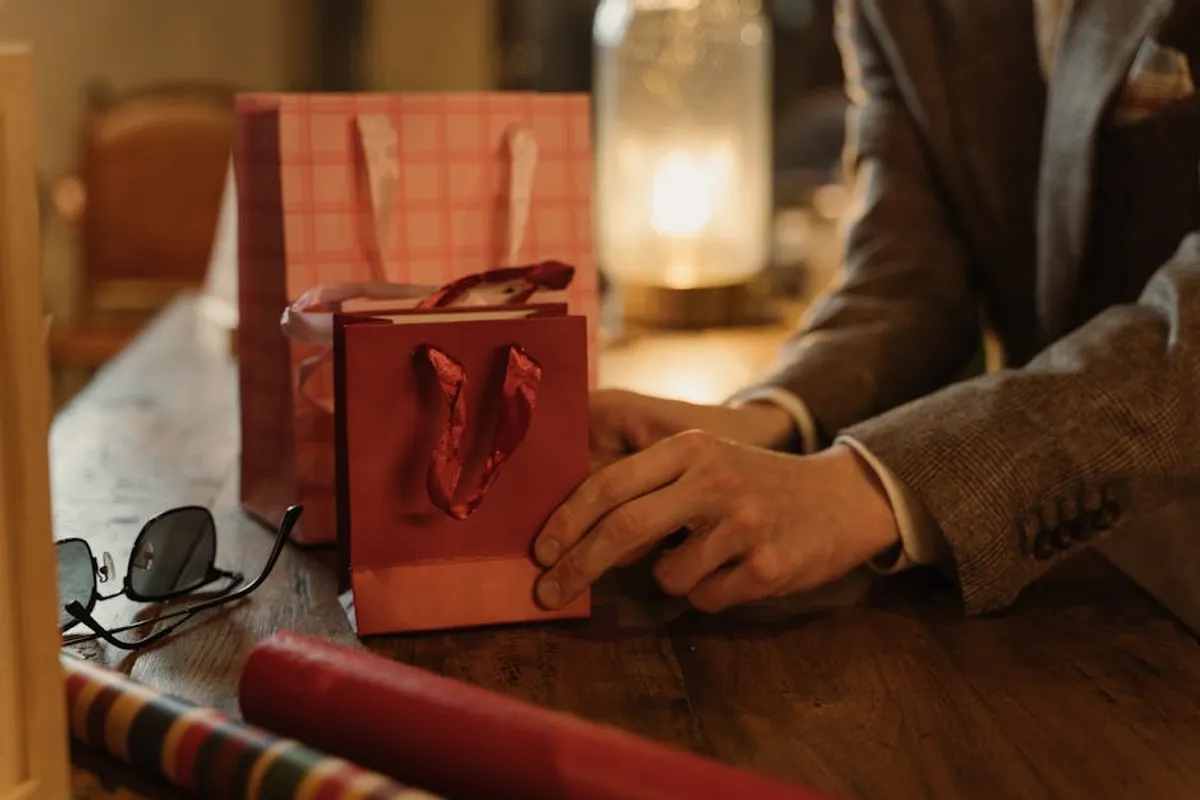
Selecting the right gift bag for events and retail involves more than just aesthetics; it's a strategic decision that impacts brand perception, customer experience, and ultimately, commercial outcomes. A well-chosen bag extends the brand narrative beyond the point of sale or event conclusion, serving as a mobile advertisement and a tangible reminder of the interaction. The material, design, and perceived value of the bag communicate directly with the recipient, influencing their post-purchase or post-event sentiment and their likelihood to engage further with the brand.
For marketers and business owners, understanding the functional and psychological aspects of different gift bag options is crucial. This guide provides a detailed assessment of various bag types, evaluating their suitability for diverse applications in both event marketing and retail environments. Each option is analyzed for its practical benefits, potential drawbacks, and strategic fit, offering a framework for informed decision-making.
How to Choose the Right Gift Bag
Before committing to a specific gift bag type, evaluate several key factors that align with your brand's objectives, event context, and target audience. A thoughtful selection process ensures the bags enhance your marketing efforts rather than merely serving as a functional container.
- Brand Alignment and Messaging: The bag should visually and tactilely reinforce your brand identity. Consider your brand's core values—is it luxury, sustainability, playfulness, or practicality? The bag's material, finish, and printing options must reflect this.
- Durability and Reusability: Assess how long the bag needs to last. For single-use event giveaways, a basic paper bag might suffice. For retail purchases or high-value gifts, a more durable, reusable option like a tote or non-woven bag can extend brand exposure.
- Budget Constraints: Cost per unit varies significantly across materials and customization levels. Balance the desire for premium presentation with financial realities, considering bulk discounts and long-term value.
- Event or Retail Context: A trade show might require lightweight, easily distributable bags, while a high-end boutique needs bags that convey exclusivity. Product size and weight also dictate structural requirements.
- Environmental Impact: With increasing consumer awareness, sustainable options (recycled, recyclable, biodegradable, reusable) can significantly enhance brand reputation and appeal to eco-conscious demographics.
- Customization Potential: Evaluate printing capabilities, handle options, finishes, and inserts. The ability to prominently display logos, taglines, or event-specific graphics is vital for marketing.
- Perceived Value: The bag itself contributes to the overall perceived value of its contents. A flimsy bag can diminish the perceived quality of a premium product, while a well-constructed bag can elevate a modest item.
1. Kraft Paper Bags
Kraft paper bags represent a versatile and cost-effective solution, widely adopted for their natural aesthetic and recyclability. Made from wood pulp, they typically feature a rustic, unbleached brown appearance, though bleached white options are also common. Their simplicity makes them a popular choice for brands aiming for an organic, eco-friendly image or those requiring a neutral canvas for bold branding.
Best for: Everyday retail, farmers' markets, eco-conscious brands, light to medium-weight items, event giveaways where sustainability is a key message.
Pros:
- Cost-Effective: Generally one of the most economical options, especially in bulk.
- Recyclable and Biodegradable: Appeals to environmentally conscious consumers and aligns with sustainable brand initiatives.
- Printable Surface: Offers a good surface for single or multi-color printing, allowing for clear branding.
- Versatile: Available in various sizes, thicknesses, and handle types (twisted paper, flat paper, or no handles).
Cons:
- Durability: Less robust than laminated or fabric bags, susceptible to tearing with heavy or sharp items, and vulnerable to moisture.
- Luxury Perception: May not convey a high-end or premium feel without significant design effort or additional embellishments.
- Limited Finishes: Lacks the gloss or matte sophistication of coated paper options.
Verdict: A practical, budget-friendly choice for brands prioritizing sustainability and functional packaging. Its understated nature requires creative branding to stand out, but its environmental credentials offer a strong marketing advantage.
2. Laminated Paper Bags
Laminated paper bags, also known as art paper bags, feature a thin film of plastic (gloss or matte) applied over a sturdy paper substrate. This lamination enhances durability, provides a water-resistant barrier, and significantly elevates the visual appeal. They are a staple for brands seeking a more polished and luxurious presentation than standard kraft paper offers.
Best for: High-end retail, fashion boutiques, corporate gifts, luxury events, product launches, items requiring a premium unboxing experience.
Pros:
- Enhanced Aesthetics: Gloss lamination provides a vibrant, reflective surface, while matte offers a sophisticated, subdued look.
- Increased Durability: The lamination protects against tears, scuffs, and minor moisture, making the bag more reusable.
- Premium Feel: Conveys a sense of quality and luxury, aligning with high-value products or services.
- Print Quality: Excellent surface for complex graphics, full-color printing, and special finishes like spot UV or foil stamping.
Cons:
- Higher Cost: More expensive to produce than unlaminated paper bags due to the additional material and process.
- Recyclability Issues: The plastic film makes them difficult or impossible to recycle in many standard paper recycling streams.
- Environmental Footprint: Less eco-friendly than plain paper or fabric alternatives, which can be a concern for some consumer segments.
Verdict: The go-to option for brands where visual impact and a luxurious feel are paramount. While less sustainable, their durability and premium finish justify the investment for high-value contexts.
3. Non-Woven Polypropylene (NWPP) Bags
NWPP bags are made from spun-bonded polypropylene fibers, creating a fabric-like material that is both strong and lightweight. They are a popular choice for reusable shopping bags due to their durability and ability to hold substantial weight. Their smooth surface allows for vibrant printing, making them effective mobile billboards for brands.
Best for: Grocery stores, promotional giveaways at large events, trade shows, durable retail packaging, brands promoting reusability.
Pros:
- High Durability and Reusability: Designed for multiple uses, offering extended brand exposure.
- Water-Resistant: Provides better protection for contents against spills and light rain compared to paper.
- Cost-Effective for Reusability: While initial cost might be higher than basic paper, the per-use cost is lower over time.
- Printability: Excellent surface for screen printing, heat transfer, or full-color digital printing.
Cons:
- Environmental Concerns: Made from plastic (polypropylene), which is not biodegradable, though it can be recycled in specific facilities.
- Perceived Value: Can sometimes be seen as a utilitarian or promotional item, lacking the luxury feel of laminated paper or natural fabrics.
- Bulkiness: Can be bulkier to store and transport than folded paper bags.
Verdict: An excellent choice for maximizing brand exposure through reusability and durability. Ideal for promotional campaigns and retail environments where a sturdy, long-lasting bag is valued over a luxurious presentation.
4. Cotton/Canvas Tote Bags
Cotton and canvas tote bags are crafted from natural fibers, offering a soft, tactile feel and exceptional durability. Cotton is generally lighter and smoother, while canvas (a heavier cotton weave) provides superior strength and rigidity. Both options project an earthy, authentic image, often associated with quality, sustainability, and artistic expression.
Best for: Fashion brands, bookstores, art galleries, high-end promotional giveaways, environmentally conscious brands, events where a lasting, fashionable souvenir is desired.
Pros:
- High Perceived Value: Often seen as a premium, fashionable item that recipients will genuinely reuse.
- Exceptional Durability: Withstands heavy loads and frequent use, extending brand visibility significantly.
- Sustainable: Made from natural, renewable fibers; organic cotton options enhance eco-credentials.
- Comfortable to Carry: Soft handles and flexible material make them pleasant for extended use.
Cons:
- Higher Cost: Among the more expensive options, especially for organic or heavier canvas.
- Print Limitations: While screen printing works well, intricate full-color designs can be challenging or more costly than on smooth paper.
- Water Absorption: Natural fibers can absorb moisture, potentially affecting contents in wet conditions unless treated.
Verdict: A premium, sustainable option that offers significant brand exposure and high perceived value. The investment is justified for brands aiming for a sophisticated, eco-friendly image and a durable, reusable item.
5. Jute/Burlap Bags
Jute and burlap bags are characterized by their coarse, natural texture and robust construction. Jute, a natural vegetable fiber, is highly sustainable and biodegradable. These bags exude an organic, artisanal charm, often associated with rustic, ethical, or agricultural brands. Their strength makes them suitable for heavier items.
Best for: Organic food retailers, artisanal crafts, agricultural products, eco-tourism promotions, brands with a strong natural or rustic aesthetic.
Pros:
- Highly Sustainable: Jute is a rapidly renewable, biodegradable, and compostable fiber.
- Distinctive Aesthetic: The natural, woven texture provides a unique, earthy, and authentic brand image.
- Strong and Durable: Excellent for carrying heavier or bulky items without tearing.
- Good for Branding: Suitable for bold, single-color screen printing that complements the natural material.
Cons:
- Rough Texture: May not be suitable for delicate items that could snag on the fibers.
- Limited Print Detail: The coarse surface makes intricate or multi-color printing challenging.
- Higher Cost: Generally more expensive than basic paper or NWPP bags.
- Bulkiness: Can be relatively bulky and less flexible than cotton or NWPP.
Verdict: An impactful choice for brands committed to sustainability and a distinctive, natural aesthetic. While not suitable for all products, its unique texture and eco-credentials offer a strong brand statement.
6. Velvet/Satin Pouches
Velvet and satin pouches are small, luxurious bags designed to hold delicate or high-value items. Velvet offers a rich, tactile experience with its soft pile, while satin provides a smooth, lustrous sheen. Both materials instantly convey elegance, exclusivity, and a premium feel, making the unboxing experience memorable.
Best for: Jewelry, cosmetics, small electronics, luxury gifts, event favors, high-end product samples, brands requiring an opulent presentation.
Pros:
- Exceptional Luxury Feel: Instantly elevates the perceived value of the contents.
- Protective: Soft materials cushion delicate items, preventing scratches and damage.
- Reusable: Often kept by recipients for storing small valuables, extending brand exposure.
- Customization: Can be embroidered, foil stamped, or debossed for sophisticated branding.
Cons:
- High Cost: Among the most expensive options, particularly for custom sizes or premium materials.
- Limited Size: Primarily suitable for small items; not practical for larger products.
- Durability (Satin): Satin can be prone to snags or wrinkles, though velvet is more resilient.
- Environmental Impact: Often made from synthetic fibers, raising sustainability concerns for some.
Verdict: Essential for brands targeting the luxury market or needing to protect and present small, high-value items with maximum elegance. The investment directly translates into an elevated brand experience.
7. Organza Bags
Organza bags are sheer, lightweight pouches made from fine, transparent fabric, often with a subtle shimmer. Their translucent quality allows a peek at the contents, adding an element of intrigue and delicacy. They are typically used for small, decorative items or as an elegant wrapper for favors.
Best for: Wedding favors, small gifts, jewelry, confectionery, promotional samples, events where a delicate, ethereal presentation is desired.
Pros:
- Elegant and Delicate: Conveys a sophisticated and refined aesthetic.
- Cost-Effective for Small Items: Relatively inexpensive for packaging small, lightweight goods.
- Variety of Colors: Available in a wide spectrum of colors to match brand or event themes.
- Visibility of Contents: Allows the product to be seen, which can enhance appeal.
Cons:
- Low Durability: Easily torn or snagged; not suitable for heavy or sharp items.
- Limited Protection: Offers minimal cushioning or structural integrity.
- Branding Challenges: Custom printing or branding can be difficult due to the sheer material, often limited to small tags or ribbons.
- Perceived Value: While elegant, they don't always convey the same level of luxury as velvet or satin.
Verdict: A charming and cost-effective choice for decorative packaging of small, lightweight items. Ideal when the goal is to add a touch of elegance and visual appeal without requiring robust protection or extensive branding on the bag itself.
8. Felt Bags
Felt bags are crafted from a dense, non-woven fabric, typically wool or synthetic fibers. They offer a unique soft, textured, and slightly rigid structure that provides good protection and a distinctive tactile experience. Felt conveys a modern, artisanal, or cozy aesthetic, setting it apart from more common materials.
Best for: Craft fairs, specialty boutiques, tech accessories, stationery, premium gift sets, brands seeking a contemporary yet warm presentation.
Pros:
- Unique Texture and Feel: Offers a soft, warm, and sophisticated tactile experience.
- Good Protection: The dense material provides cushioning for delicate items.
- Durable: Resists tearing and holds its shape well, making it reusable.
- Eco-Friendly Options: Available in recycled PET felt or natural wool felt.
- Customization: Excellent for embroidery, laser cutting, or debossing for subtle branding.
Cons:
- Higher Cost: Generally more expensive than basic paper or even some fabric options.
- Limited Printability: The textured surface can make fine-detail printing challenging; bold, simple designs work best.
- Water Absorption: Can absorb moisture, though synthetic felts are more resistant.
- Availability: May have fewer off-the-shelf size and color options compared to other materials.
Verdict: A distinctive and protective option for brands aiming for a modern, handcrafted, or cozy aesthetic. Its unique texture and durability offer a memorable unboxing experience, justifying the higher unit cost for specific product categories.
9. Reusable Gift Boxes (with handles)
These are structured, often foldable, boxes made from sturdy cardboard or rigid paperboard, typically featuring integrated handles for easy carrying. They bridge the gap between traditional gift bags and rigid gift boxes, offering a premium presentation with added functionality and reusability. They provide superior protection and a more formal unboxing experience.
Best for: High-value retail items, corporate gifting, subscription boxes, luxury product packaging, events where a substantial, reusable container is desired.
Pros:
- Premium Presentation: Conveys a sense of luxury and importance, enhancing the gift's perceived value.
- Superior Protection: Rigid structure protects contents better than flexible bags.
- High Reusability: Designed to be kept and reused, offering extended brand exposure.
- Excellent for Branding: Large, flat surfaces ideal for intricate printing, embossing, foil stamping, and other premium finishes.
Cons:
- Highest Cost: Typically the most expensive option per unit due to material and construction.
- Storage and Shipping: Can be bulky, even when foldable, impacting storage space and shipping costs.
- Environmental Impact: While often recyclable, the production process can be more resource-intensive than simple paper bags.
- Less Spontaneous: Requires more careful planning for contents and presentation than a flexible bag.
Verdict: The ultimate choice for delivering a high-impact, luxurious unboxing experience and ensuring product protection. Its reusability offers long-term brand visibility, making the higher investment worthwhile for premium products and corporate gifts.
10. Insulated Cooler Bags
Insulated cooler bags are constructed with a thermal lining, typically foil or foam, designed to maintain the temperature of their contents. They are usually made from durable materials like non-woven polypropylene, polyester, or canvas, making them highly functional and reusable. Their specialized function makes them a unique promotional item.
Best for: Food and beverage promotions, outdoor events, summer festivals, corporate picnics, brands in the hospitality or food industries.
Pros:
- High Utility and Reusability: Provides a tangible, practical benefit that encourages frequent reuse.
- Extended Brand Exposure: Used in various settings (picnics, grocery runs, beach trips), maximizing visibility.
- Unique Promotional Item: Stands out from standard gift bags due to its specialized function.
- Durable Construction: Designed to withstand outdoor use and carry heavier items.
Cons:
- Higher Cost: Significantly more expensive than basic gift bags due to materials and insulation.
- Bulkier: Takes up more storage space and can be cumbersome for recipients if not immediately needed.
- Specific Use Case: Only relevant for brands or events dealing with temperature-sensitive items or requiring a specific utility.
- Limited Design Flexibility: Focus is on function; intricate aesthetic designs might be secondary.
Verdict: A highly effective promotional tool for specific industries where temperature control is a benefit. The high utility ensures long-term brand visibility, justifying the increased cost for targeted campaigns.
11. Seed Paper Bags
Seed paper bags are an innovative, eco-friendly option made from biodegradable paper embedded with plant seeds. After use, the bags can be planted directly into soil, where the paper degrades, and the seeds germinate into flowers, herbs, or vegetables. This offers a unique, interactive, and highly sustainable brand experience.
Best for: Environmental campaigns, sustainable brands, garden centers, eco-conscious events, product launches with a green message, brands seeking a memorable and interactive giveaway.
Pros:
- Ultimate Sustainability: Fully biodegradable and offers a positive environmental impact by growing plants.
- Highly Memorable: Provides a unique and engaging experience for the recipient, creating a strong brand story.
- Positive Brand Image: Strongly communicates a commitment to environmental responsibility.
- Customization: Can be printed with eco-friendly inks, and various seed types are available.
Cons:
- Higher Cost: More expensive than standard paper bags due to specialized material and production.
- Fragility: Can be less durable than conventional paper bags, especially when wet or with heavy items.
- Print Limitations: The textured, seed-embedded surface may limit fine-detail printing.
- Care Instructions: Requires clear instructions for planting, which adds to the overall messaging.
Verdict: An exceptional choice for brands prioritizing sustainability and seeking a truly unique, interactive, and memorable customer experience. The "plantable" aspect creates a powerful and lasting positive association with the brand, despite the higher cost and specific care requirements.
12. Custom Printed Die-Cut Handle Bags
These are paper bags where the handles are integrated directly into the bag's structure through a cut-out design, rather than being attached externally. This creates a sleek, minimalist look and eliminates the need for separate handle materials. They are often made from sturdy paper stock and allow for extensive custom printing.
Best for: Fashion retail, specialty stores, corporate events, brands seeking a modern, clean aesthetic, and a robust paper bag option.
Pros:
- Sleek Aesthetic: The integrated handle provides a clean, contemporary, and minimalist look.
- Durability: Often made from thicker paper stock, offering good strength and resistance to tearing.
- Full Surface Printing: Eliminates handle interference, allowing for uninterrupted design across the entire bag surface.
- Cost-Effective (compared to some premium options): Can be a good mid-range option between basic kraft and laminated bags.
Cons:
- Comfort: Die-cut handles can be less comfortable to carry than rope or ribbon handles, especially with heavy items.
- Weight Capacity: While strong, the handle cut-out can be a stress point if overloaded.
- Less Luxurious: While sleek, they typically don't convey the same level of luxury as laminated or fabric bags.
- Limited Reusability (for some designs): The paper can crease or wear at the handle points over time.
Verdict: An effective choice for brands seeking a modern, streamlined


Start the conversation
Thoughtful disagreement welcomed. Promotional links quietly removed.