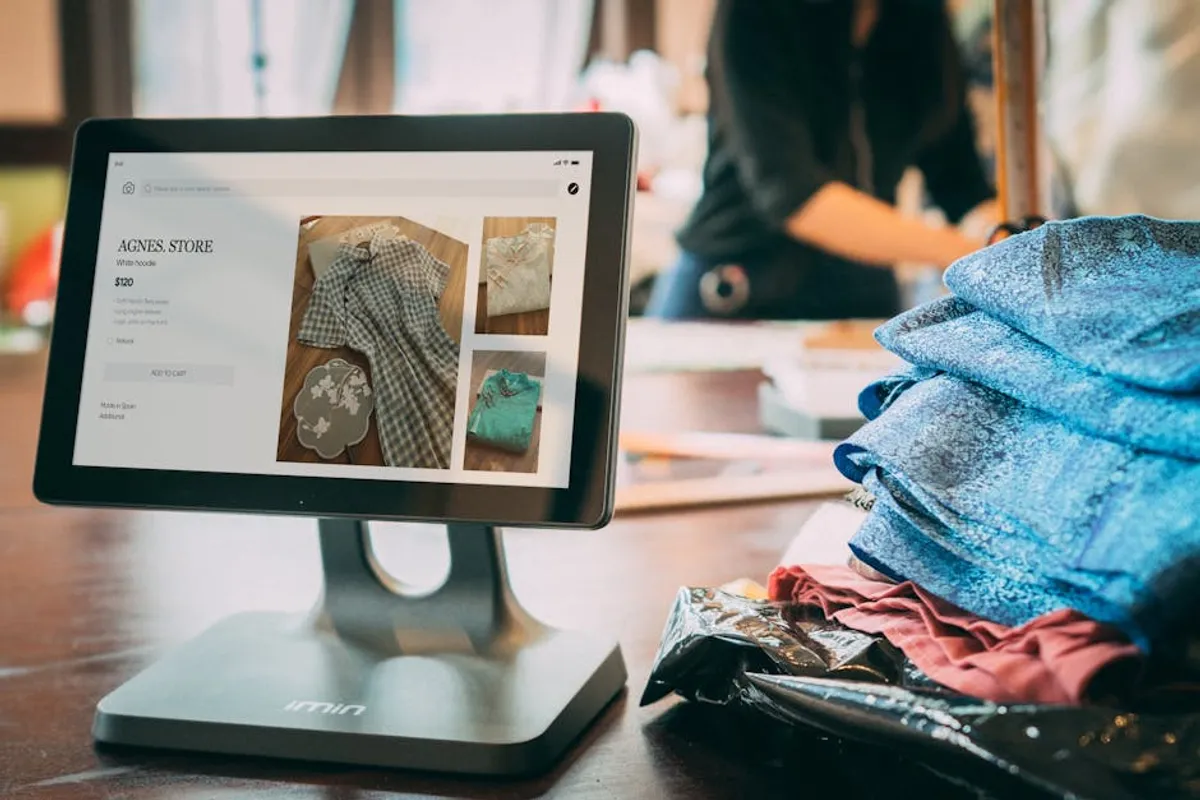
For small businesses, packaging is not merely a container; it is a critical touchpoint that communicates brand values, ensures product integrity, and influences customer perception. Navigating the myriad options requires a strategic approach, balancing aesthetic appeal, protective function, cost-effectiveness, and logistical considerations. This guide outlines the essential factors for small business owners to evaluate when selecting packaging solutions, helping to align choices with both budget realities and brand aspirations. Aligning your packaging with your brand starts with a clear understanding of the packaging design for businesses.
Strategic Packaging Decisions for Small Businesses
Balancing Brand Identity and Protection
Packaging serves as a silent salesperson, often forming a customer's first physical interaction with your brand. The visual design—colors, logos, typography—must align with your brand's aesthetic and messaging. Beyond aesthetics, the primary function of packaging is to protect the product from damage during transit and storage. This requires an understanding of your product's fragility, weight, and dimensions. A fragile glass item demands robust cushioning and a rigid outer box, while a durable textile might only need a tear-resistant mailer. Mismatching protection to product vulnerability leads to either damaged goods and returns or unnecessary material costs and shipping weight.
Cost Efficiency and Scalability
Budget constraints are a significant factor for small businesses. Packaging costs encompass material procurement, printing, assembly, and potentially design services. Evaluating cost efficiency means looking beyond the unit price of a single box or bag. Consider the total landed cost, including shipping to your location and any labor required for packing. Scalability is also crucial: can your chosen packaging solution accommodate growth in order volume without a disproportionate increase in cost or complexity? Stock packaging often offers lower unit costs and no minimum order quantities (MOQs), making it suitable for businesses with fluctuating demand or limited initial capital. Custom packaging, while higher in initial investment and MOQs, can yield lower per-unit costs at higher volumes and offers superior brand differentiation.
Considering Sustainability and Customer Experience
Consumer demand for sustainable practices is increasing, making eco-friendly packaging a competitive advantage. Options include recycled content, recyclable materials, biodegradable or compostable solutions, and minimalist designs that reduce overall material use. Communicating your sustainability efforts on the packaging itself can resonate with environmentally conscious customers. Beyond environmental impact, the unboxing experience significantly shapes customer perception. Thoughtful internal packaging, such as custom tissue paper, branded inserts, or a well-placed thank you note, elevates the perceived value and encourages repeat business. Consider how easily the customer can open, reseal, or reuse the packaging.
Logistics and Shipping Requirements
The practicalities of shipping dictate many packaging choices. Package weight and dimensions directly impact shipping costs, often through dimensional weight pricing. Lighter, more compact packaging can lead to substantial savings over time. Durability is paramount for parcels subjected to automated sorting and varying transit conditions. Choose materials that withstand drops, compression, and moisture. For international shipping, consider customs regulations and any specific labeling requirements. Packaging that is easy to assemble and pack efficiently reduces labor time in your fulfillment process.
Primary Packaging Material Options
Corrugated Boxes
These are multi-layered paperboard structures known for their strength and protective qualities. They are available in various flute sizes (e.g., E-flute for smaller items, C-flute for general shipping) and board strengths (single-wall, double-wall).
Best for: Fragile items, products requiring significant protection, heavier goods, subscription boxes, and retail product packaging.
Poly Mailers
Lightweight, flexible, and water-resistant plastic bags, often with a self-sealing adhesive strip. They offer less protection against crushing than boxes but are cost-effective and reduce shipping weight.
Best for: Apparel, non-fragile textiles, soft goods, documents, and small, durable items.
Custom Bags and Wraps
Includes paper bags (kraft, white, recycled), fabric bags (cotton, jute), and custom-printed wraps (tissue paper, cellophane). These primarily serve branding, presentation, and light protection.
Best for: Retail carry-out, gift packaging, internal product wrapping, and adding a premium touch.
Internal Void Fill and Protection
Materials used inside the primary packaging to cushion products, prevent movement, and fill empty spaces.
- Shredded Paper: Eco-friendly, offers cushioning and aesthetic appeal.
- Packing Peanuts: Lightweight, excellent void fill, but can be messy and less sustainable unless biodegradable.
- Air Pillows: Lightweight, good void fill, reduces shipping weight, but requires an air machine.
- Bubble Wrap: Superior cushioning for fragile items, available in various bubble sizes.
- Foam Inserts: Custom-cut for precise product fit, offers high protection but can be costly for small runs.
Stock vs. Custom Packaging: Making the Choice
Stock packaging refers to pre-made, unbranded boxes, mailers, or bags available off-the-shelf. It's characterized by lower costs, faster delivery, and no MOQs, making it ideal for startups, low-volume products, or businesses prioritizing speed and budget. Branding can be added with custom labels, stamps, or inserts. Custom packaging involves designing and manufacturing packaging specifically for your product, often with unique dimensions, branded printing, and specialized features. While it offers unparalleled brand presence and a tailored fit, it comes with higher upfront costs, MOQs, and longer lead times. The decision hinges on your budget, volume, brand identity goals, and product uniqueness. For many small businesses, a hybrid approach—using stock packaging with custom branding elements—offers a balanced solution. If you want to make a strong impression, consider custom branded bags that perfectly fit your products.
Engaging with Packaging Suppliers
Understanding Minimum Order Quantities (MOQs)
MOQs are the lowest quantity of a product a supplier is willing to sell. For custom packaging, MOQs can range from hundreds to thousands of units due to setup costs for printing plates and die cuts. Stock packaging typically has much lower or no MOQs. Always clarify MOQs early in your communication with potential suppliers, as this will significantly impact your initial investment and inventory management.
Evaluating Lead Times and Sampling
Lead time is the duration from order placement to delivery. Stock packaging has short lead times, often days. Custom packaging can take weeks or even months, especially for first-time orders involving design approval and production. Always request samples of custom packaging before committing to a full order. Samples allow you to test fit, material quality, and print accuracy, preventing costly errors. Factor sample production and shipping time into your overall project timeline.
Pro Tip: When obtaining quotes, specify all details: exact dimensions (internal and external), material type and thickness, print colors (CMYK or Pantone), finish (matte, gloss), and any special features like windows or inserts. Ambiguous requests lead to inaccurate pricing and potential delays. Always request a physical sample for custom orders to verify quality before mass production.
Negotiating Quotes and Pricing Structures
Packaging suppliers often provide tiered pricing, where the unit cost decreases at higher order volumes. Request quotes from multiple suppliers to compare pricing, MOQs, lead times, and customer service. Be transparent about your budget and needs. Some suppliers offer discounts for bulk purchases, annual contracts, or new customer incentives. Understand if the quote includes shipping, taxes, and any setup fees for custom printing.
Selecting Your Packaging Partner
Beyond price, evaluate a supplier's reliability, communication, and ability to meet your specific requirements. Look for partners with a proven track record, positive reviews, and responsive customer service. A good supplier acts as a resource, offering advice on materials, design optimization, and cost-saving opportunities. Consider their production capabilities, quality control processes, and commitment to sustainability if that aligns with your brand values. Building a strong relationship with a reliable packaging supplier can streamline your operations and support your business growth.
Common Packaging Questions
What is the most cost-effective packaging for small businesses?
For minimal costs, stock poly mailers or standard kraft boxes combined with self-printed labels are generally the most economical. As volume increases, custom-printed stock boxes or mailers can become more cost-effective per unit.
How do I calculate the right size for my packaging?
Measure your product's length, width, and height, then add a small allowance for internal cushioning materials. For boxes, internal dimensions are critical for product fit, while external dimensions determine shipping costs.
Should I prioritize sustainability over cost?
This depends on your brand values and target audience. Sustainable packaging often carries a higher unit cost, but it can enhance brand perception and attract environmentally conscious customers, potentially justifying the investment through increased sales and loyalty.
What's the typical lead time for custom packaging?
Lead times for custom packaging can vary significantly, typically ranging from 4 to 12 weeks, depending on the complexity of the design, the material, the supplier's production schedule, and shipping logistics. Always confirm lead times with your specific supplier.


Start the conversation
Thoughtful disagreement welcomed. Promotional links quietly removed.