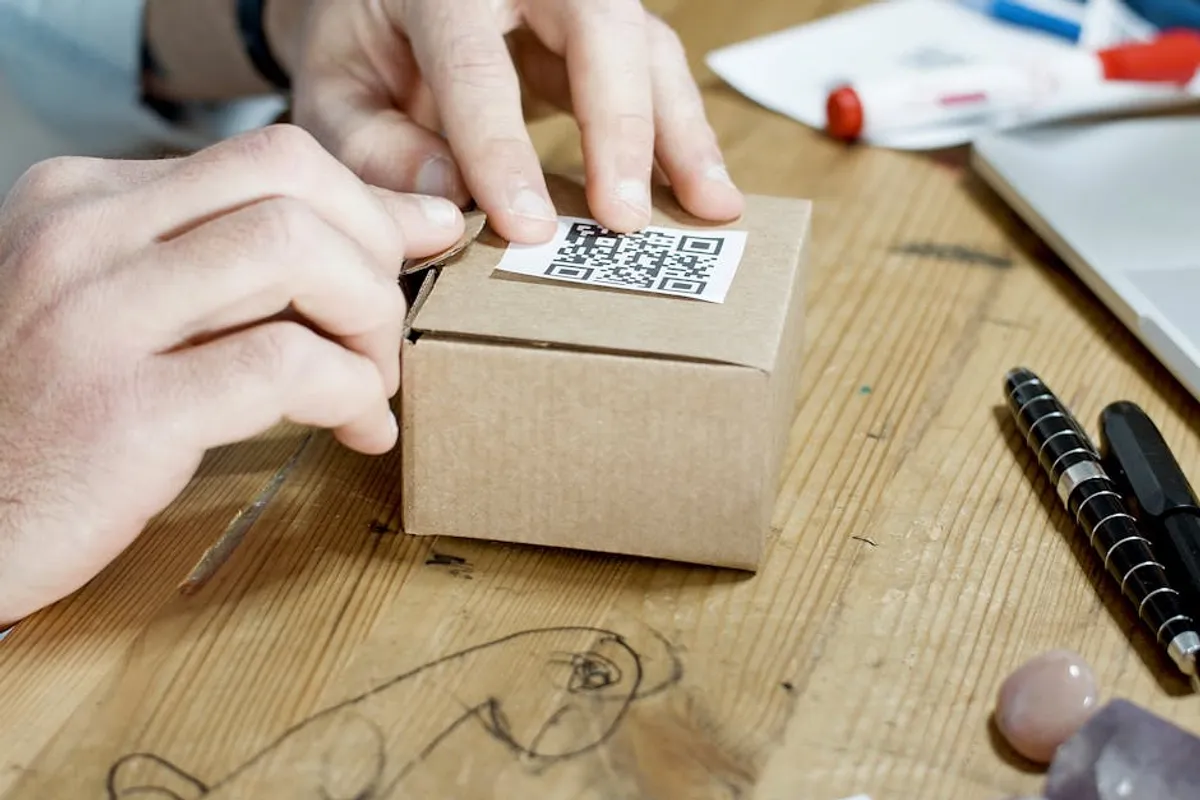
For ecommerce brands, packaging is more than just a protective layer for products in transit; it is a critical touchpoint that shapes customer perception, reinforces brand identity, and directly impacts operational costs. Each package delivered is an opportunity to convert a one-time buyer into a loyal advocate, or conversely, to create a point of friction that erodes trust and encourages returns. Overlooking the strategic importance of packaging can lead to a cascade of negative consequences, from damaged goods and costly reshipments to tarnished brand reputation and lost sales. Understanding and proactively addressing common packaging missteps is essential for maintaining profitability and fostering long-term customer relationships in a competitive digital marketplace. Exploring innovative packaging ideas for your brand can elevate the unboxing experience and leave a lasting positive impression.
Overlooking Protective Functionality
The primary function of ecommerce packaging is to ensure products arrive at their destination undamaged. Failure in this fundamental aspect directly leads to customer dissatisfaction, costly returns, and negative reviews. These issues erode profit margins and damage brand credibility.
Inadequate Void Fill and Cushioning
Many brands underestimate the stresses of shipping. Products often shift, drop, and vibrate during transit. Using insufficient void fill—like a single sheet of tissue paper for a fragile item—or choosing materials that compact too easily, such as standard packing peanuts for heavy objects, results in items arriving broken or scuffed. This necessitates a replacement shipment, doubling the original fulfillment cost and creating a negative customer experience.
Improper Box Sizing
Shipping a small item in an oversized box wastes material, increases shipping costs due to dimensional weight pricing, and creates excessive internal space where the product can move and sustain damage. Conversely, forcing a product into a box that is too small can lead to deformation, tearing, or crushing, compromising both the product and its perceived value upon arrival. Selecting the right size minimizes material use and secures the product more effectively.
Misaligning Packaging with Brand Identity
Packaging serves as a tangible extension of an ecommerce brand. When it fails to align with the brand’s aesthetic, values, or quality promise, it creates a disjointed experience that can confuse customers and dilute brand messaging.
Generic or Unbranded Materials
Opting for plain, unbranded boxes and internal materials misses a significant opportunity for brand reinforcement. Without a logo, brand colors, or a consistent design language, the package becomes an anonymous brown box. This fails to differentiate the brand from competitors and does not leverage the unboxing moment as a marketing touchpoint. It communicates a lack of attention to detail, which can subtly undermine the perception of product quality.
Inconsistent Quality or Design
Varying packaging quality or design across different product lines or order sizes sends mixed signals. If a premium product arrives in flimsy, poorly printed packaging, it immediately contradicts the brand's positioning. This inconsistency suggests a lack of care or a fluctuating commitment to quality, which can erode customer trust and make the brand appear less professional.
Ignoring Sustainability Implications
Consumer awareness and demand for sustainable practices are growing. Brands that ignore the environmental impact of their packaging risk alienating a significant portion of their target market and contributing to unnecessary waste. Choosing the right sustainable packaging materials not only meets consumer expectations but also minimizes environmental footprint.
Excessive or Non-Recyclable Materials
Using an abundance of single-use plastics, non-recyclable foams, or excessive layers of material that are difficult to dispose of reflects poorly on a brand. Consumers are increasingly scrutinizing packaging for its environmental footprint. Brands that fail to offer recyclable, compostable, or reusable options are seen as less responsible, which can negatively impact purchasing decisions and brand loyalty.
Lack of Clear Disposal Instructions
Even when sustainable materials are used, their impact is diminished if customers don't know how to properly dispose of them. Packaging that lacks clear recycling symbols, composting instructions, or guidance on how to repurpose materials creates confusion. This can lead to sustainable materials ending up in landfills simply because the consumer was unaware of the correct disposal method.
Pro Tip: Conduct a comprehensive packaging audit. Evaluate every material used, from outer box to void fill and tape, against its protective capability, brand alignment, cost-efficiency, and environmental impact. Solicit customer feedback specifically on their unboxing experience and packaging disposal. This data-driven approach reveals critical areas for improvement beyond anecdotal observation.
Creating a Frustrating Unboxing Experience
The unboxing experience has become an integral part of the ecommerce journey, heavily influencing customer satisfaction and shareability. A poorly designed unboxing can transform excitement into annoyance.
Over-Packaging and Difficulty Opening
While protection is key, excessive layers of tape, shrink wrap, or multiple nested boxes that require tools to open can frustrate customers. This "wrap rage" detracts from the product itself and creates a negative first impression. Packaging should be secure but also reasonably easy to access, allowing the customer to reach their purchase without undue effort.
Lack of Thoughtful Presentation
A product simply tossed into a box without any attention to presentation misses an opportunity to delight. This includes the absence of:
- Branded tissue paper or custom inserts
- A neatly folded product
- A personalized note or thank-you card
- Clear instructions for assembly or use
These small details elevate the unboxing from a transactional event to a memorable brand interaction, encouraging social sharing and repeat purchases.
Neglecting Cost-Efficiency and Logistics
Packaging choices have direct implications for a brand’s bottom line, affecting everything from material procurement to shipping and storage. Overlooking these financial and operational aspects can lead to unnecessary expenses.
Ignoring Dimensional Weight Costs
Shipping carriers use dimensional weight (DIM weight) to calculate costs, which considers the package's volume in addition to its actual weight. Using unnecessarily large boxes, even for lightweight items, significantly inflates shipping expenses. Brands must optimize package dimensions to minimize DIM weight charges, which can account for a substantial portion of fulfillment costs.
Inefficient Sourcing and Inventory Management
Failing to negotiate favorable terms with packaging suppliers or mismanaging packaging inventory can lead to higher costs. Buying small quantities at retail prices, or running out of essential packaging materials, causes production delays and forces last-minute, higher-cost purchases. Implementing a strategic sourcing plan and accurate inventory forecasting for packaging materials is as crucial as it is for product inventory.
Optimizing Your Packaging Strategy
Addressing these common packaging mistakes requires a holistic approach that considers protection, brand representation, sustainability, customer experience, and cost-efficiency. Regularly review your packaging process, solicit customer feedback, and stay informed about new material innovations and shipping regulations. A well-executed packaging strategy protects your products, enhances your brand, and ultimately contributes to greater customer loyalty and profitability.
Frequently Asked Questions About Ecommerce Packaging
What is dimensional weight and why does it matter for ecommerce packaging?
Dimensional weight (DIM weight) is a pricing technique used by shipping carriers that calculates shipping costs based on the package's volume, not just its actual weight. If the DIM weight is greater than the actual weight, the carrier charges based on DIM weight. It matters because using oversized packaging for lightweight items can significantly increase shipping costs, sometimes doubling or tripling them unnecessarily.
How can ecommerce brands make their packaging more sustainable?
Brands can enhance sustainability by choosing materials like recycled cardboard, compostable mailers, or biodegradable void fill. Reducing excess packaging, ensuring materials are easily recyclable, and providing clear disposal instructions for customers are also key steps. Consider refillable or reusable packaging options where feasible for your product type.
What elements contribute to a positive unboxing experience?
A positive unboxing experience is created by thoughtful presentation and ease of access. Key elements include branded packaging, protective yet easy-to-open seals, tissue paper or custom inserts, a personalized thank-you note, product arranged neatly, and clear instructions. The goal is to make the act of opening the package feel special and reinforce the brand's value.
Should I prioritize packaging protection or aesthetics for my ecommerce products?
You should prioritize both, as they are not mutually exclusive. Protection is fundamental; a damaged product negates any aesthetic effort. However, once protection is ensured, aesthetics become crucial for brand building and customer experience. A balance is achieved by selecting durable, protective materials that can also be customized with branding elements, ensuring both safe arrival and a memorable unboxing.

Start the conversation
Thoughtful disagreement welcomed. Promotional links quietly removed.