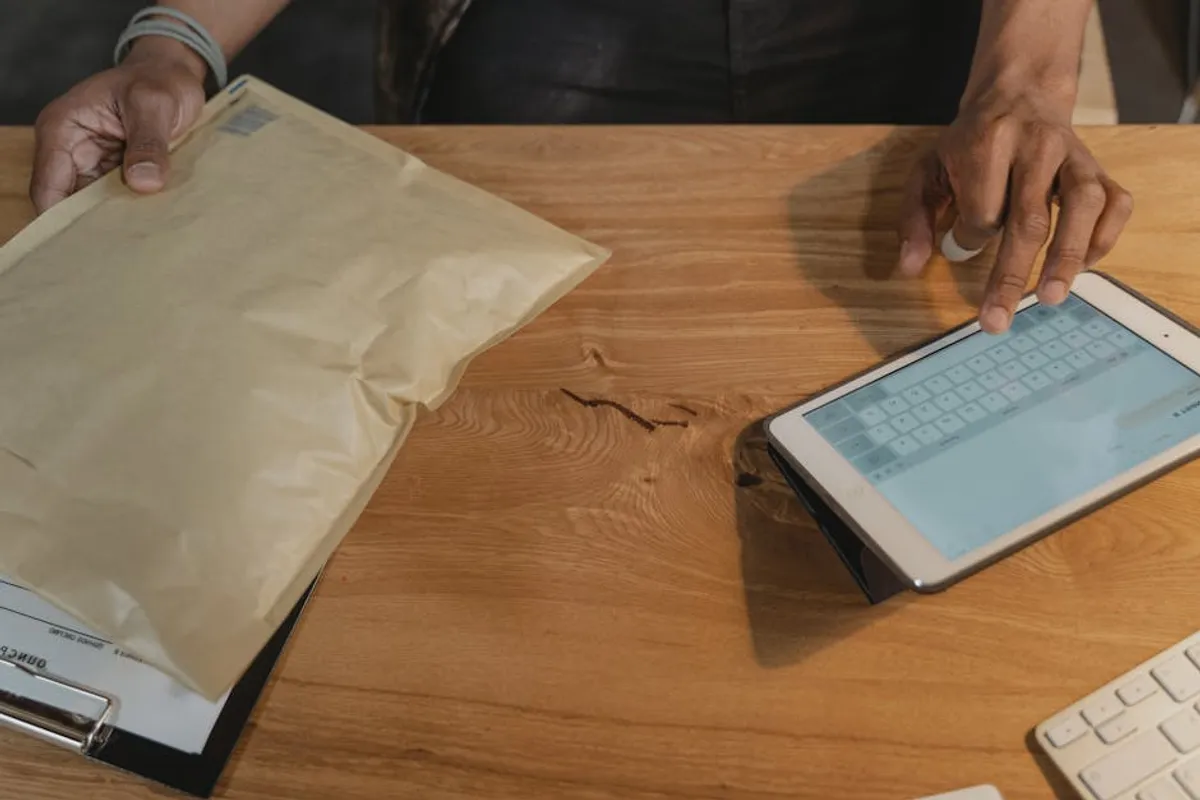
For small shops, custom packaging extends beyond mere product protection; it serves as a critical, tangible extension of the brand. In a competitive market, where digital interactions often precede physical purchases, the unboxing experience provides a unique opportunity to forge a deeper connection with customers. Thoughtfully designed packaging communicates brand values, enhances perceived product value, and creates memorable moments that encourage repeat business and word-of-mouth referrals. It transforms a transaction into an experience, distinguishing a small business from larger, often more impersonal, competitors.
Key Considerations for Custom Packaging
Before investing in custom packaging, small shop owners should evaluate several factors to ensure their choices align with their brand, budget, and operational capacity. Prioritize these elements to make informed decisions:
- Brand Identity: Packaging must visually and tactilely represent your brand's aesthetic, values, and target audience. Consider colors, fonts, textures, and messaging that resonate with your brand story.
- Budget Allocation: Custom packaging can range from low-cost additions to significant investments. Determine a realistic budget per package, factoring in design, production, shipping, and storage.
- Product Protection: The primary function of packaging is to protect the product. Ensure your chosen materials and designs provide adequate cushioning, moisture resistance, and structural integrity for safe transit and handling.
- Sustainability Goals: Many consumers prioritize eco-friendly options. Explore recyclable, compostable, biodegradable, or reusable materials to align with environmental consciousness and appeal to a broader market segment.
- Operational Efficiency: Consider how easily packaging can be assembled, packed, and shipped. Complex or time-consuming packaging can impact labor costs and fulfillment speed for small teams.
- Customer Experience: Think about the entire unboxing journey. What emotions do you want to evoke? How can the packaging add value or delight, such as through personalized notes or thoughtful presentation?
- Minimum Order Quantities (MOQs): Custom packaging often comes with MOQs. Assess your sales volume and storage capacity to avoid overstocking or running out prematurely.
1. Branded Shipping Boxes
Custom-printed shipping boxes transform a utilitarian item into a direct brand touchpoint. These are typically corrugated cardboard, available in various strengths and sizes, and can be printed with logos, brand patterns, or messaging. The external presentation signals brand quality and attention to detail before the product inside is even revealed, enhancing the unboxing experience.
Best for: E-commerce businesses shipping physical products directly to customers, particularly those with a premium or experience-driven brand identity.
Pros:
- Creates a strong first impression and reinforces brand identity upon delivery.
- Offers practical product protection during transit, reducing damage claims.
- Can be a cost-effective marketing channel, transforming shipping into advertising.
- Available in eco-friendly options like recycled content or easily recyclable materials.
Cons:
- Higher upfront costs and minimum order quantities compared to generic boxes.
- Storage requirements for various box sizes can be substantial for small shops.
- Lead times for custom printing can be longer, requiring careful inventory planning.
- Less impactful for in-person sales where the box is not seen until after purchase.
Verdict: Branded shipping boxes are a high-impact choice for online retailers seeking to elevate the customer experience and reinforce brand perception from the moment of delivery, provided they can manage the initial investment and storage logistics.
2. Custom Tissue Paper
Custom tissue paper, printed with a logo, pattern, or brand colors, adds an immediate layer of sophistication and anticipation to product presentation. It’s a versatile and relatively low-cost option for wrapping products inside boxes, cushioning items, or simply adding a decorative flourish. This subtle detail contributes significantly to the perceived value and luxury of the unboxing experience.
Best for: Almost any small shop looking to add an elegant, branded touch without a significant investment, especially effective for delicate items or gift-wrapped products.
Pros:
- Relatively inexpensive with lower MOQs compared to custom boxes.
- Enhances the unboxing experience, adding an element of surprise and delight.
- Provides a light layer of protection for delicate items or fills empty space.
- Highly versatile for various product types and packaging configurations.
Cons:
- Offers minimal structural protection for products during shipping.
- Can be time-consuming to wrap products individually, impacting fulfillment speed.
- Design limitations may apply to very intricate patterns or multiple colors.
- Impact is primarily internal to the package, not visible until opened.
Verdict: Custom tissue paper is an accessible and effective way for small shops to elevate their brand presentation and customer experience, offering a high return on investment for visual appeal and perceived value.
3. Personalized Product Labels and Stickers
Custom labels and stickers offer a flexible and cost-effective way to brand generic packaging or products directly. These can be designed with logos, product information, care instructions, or even seasonal messaging. Applied to bags, boxes, jars, bottles, or directly onto products, they provide immediate brand recognition and a professional finish without requiring custom-printed base materials.
Best for: Small businesses with diverse product lines, limited storage, or those using off-the-shelf packaging that needs a branded touch, such as food products, cosmetics, or handmade goods.
Pros:
- Extremely versatile and adaptable to almost any product or packaging type.
- Low cost and low MOQs, making them accessible for startups and small batches.
- Quick to produce and apply, streamlining the packaging process.
- Can be easily updated for seasonal promotions, new products, or special events.
Cons:
- May not convey the same premium feel as fully custom-printed packaging.
- Application can be labor-intensive if done manually for high volumes.
- Durability can vary depending on material and adhesive, especially in transit.
- Less impactful for creating a cohesive "unboxing experience" compared to custom boxes.
Verdict: Personalized labels and stickers are an essential tool for small shops seeking flexible, affordable branding solutions that can be applied to a wide range of products and packaging, offering significant customization without large commitments.
4. Custom Mailer Bags
Mailer bags, often made from poly plastic or kraft paper, provide a lightweight and durable shipping solution. Customizing these with a brand logo or design transforms a standard shipping envelope into a branded statement. They are particularly suitable for non-fragile items like apparel, books, or soft goods, offering a balance of protection and cost-effectiveness for direct-to-consumer shipping.
Best for: E-commerce stores shipping soft goods, apparel, or other non-fragile items where weight and shipping costs are primary concerns.
Pros:
- Lightweight nature reduces shipping costs compared to boxes.
- Durable and often water-resistant materials protect contents during transit.
- Lower cost per unit and MOQs than custom corrugated boxes.
- Available in eco-friendly options like recycled content or compostable materials.
Cons:
- Offers less structural protection than boxes, unsuitable for fragile items.
- Can appear less "premium" than a custom box for certain product categories.
- Limited space for elaborate designs or extensive branding messages.
- Not easily reusable by the customer for other purposes.
Verdict: Custom mailer bags are an efficient and economical choice for small shops shipping non-fragile goods, providing branded protection and reducing shipping expenses without sacrificing brand visibility.
5. Branded Paper Bags
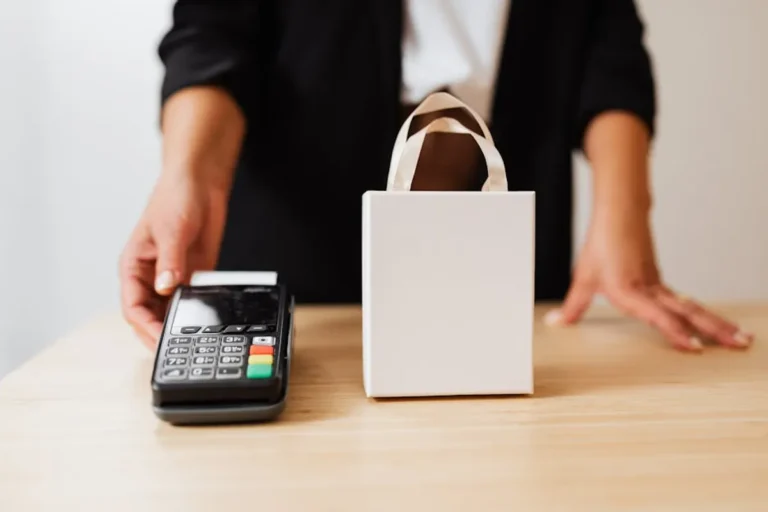
Custom paper bags, typically used for in-store purchases or local deliveries, offer a tangible takeaway for customers. Printing these with a logo, store name, or unique design turns a simple carrier into a walking advertisement. Options range from basic kraft bags to more premium laminated or specialty paper bags with custom handles, catering to different brand aesthetics and budgets.
Best for: Retail boutiques, cafes, gift shops, and any business with a physical storefront or offering local pickup/delivery services.
Pros:
- Provides immediate brand visibility as customers carry their purchases.
- Reinforces the in-store experience and extends brand presence into the community.
- Available in various sizes, materials, and handle options to suit different products.
- Often made from recyclable or recycled paper, appealing to eco-conscious consumers.
Cons:
- Less relevant for purely e-commerce businesses that ship all products.
- Per-unit cost can add up, especially for higher-quality materials or complex printing.
- Storage space is required for various bag sizes, which can be an issue for small shops.
- Offers limited product protection during transit compared to boxes.
Verdict: Branded paper bags are a fundamental component for brick-and-mortar stores, effectively serving as a mobile advertisement and reinforcing the customer's in-store experience with a professional, branded touch.
6. Custom Product Sleeves or Wraps
Product sleeves or wraps are bands of custom-printed material that encircle a product or its primary packaging. They offer a flexible way to add branding, product information, or promotional messages to existing generic boxes, jars, or bottles. This approach allows for customization without fully redesigning the core packaging, making it an agile and often more affordable option.
Best for: Small businesses using standard product containers (e.g., jars, candles, soap bars, small boxes) that need a branded overlay for specific product lines or seasonal editions.
Pros:
- Cost-effective customization for existing or generic packaging.
- Allows for easy updates to branding or product information without reprinting full packaging.
- Provides a professional, cohesive look for products on shelves or in gift sets.
- Lower MOQs and faster production times compared to full custom boxes.
Cons:
- May require manual application, which can be labor-intensive.
- Offers no additional product protection beyond the base packaging.
- Can sometimes shift or become damaged if not secured properly.
- Design space is limited to the band's dimensions.
Verdict: Custom product sleeves offer a smart, economical solution for small shops to brand and differentiate products using existing packaging, ideal for flexibility and targeted messaging.
7. Branded Packing Tape
Custom packing tape, printed with a logo or brand pattern, transforms standard, unbranded shipping boxes into branded parcels. This is a subtle yet effective way to reinforce brand identity on every package. It works particularly well for small shops that use generic boxes for various products or those looking for a cost-efficient method to add a branded touch to their outgoing shipments.
Best for: E-commerce businesses using standard shipping boxes, fulfillment centers, or those seeking a budget-friendly method to add brand recognition to their parcels.
Pros:
- Cost-effective way to brand generic boxes without high MOQs for custom printing.
- Adds a professional and cohesive look to all outgoing packages.
- Provides an additional layer of security, making tampering more evident.
- Easy to apply using standard tape dispensers, integrating into existing workflows.
Cons:
- Impact is limited to the exterior of the package; no internal unboxing experience.
- Design options are typically simpler (logo repeat) due to printing limitations.
- Requires careful application to ensure a neat, professional appearance.
- Less impactful than a fully custom-printed box for premium brands.
Verdict: Branded packing tape is a practical and economical branding solution for small shops that want to add a professional, recognizable touch to their shipments without significant investment in custom box printing.
8. Custom Hang Tags
Hang tags, often attached to apparel, accessories, or handmade goods, provide an opportunity to convey brand information, pricing, care instructions, or a unique brand story. Customizing these tags with specific materials, printing techniques, and designs elevates the perceived quality of the product and reinforces brand identity. They are a small but impactful detail that can distinguish a product on a rack or in a package.
Best for: Apparel brands, jewelry makers, artisans, and small businesses selling products where additional information or branding can enhance the item's presentation.
Pros:
- Adds a premium, professional touch to products without direct packaging customization.
- Versatile for conveying essential product details, pricing, or brand story.
- Relatively low cost and MOQs, allowing for design flexibility and seasonal updates.
- Can be made from sustainable materials like recycled paper or seed paper.
Cons:
- Requires manual attachment, which can add to labor time.
- Can be easily removed or discarded by the customer, limiting long-term brand exposure.
- Offers no product protection during shipping or handling.
- Impact is primarily on the product itself, not the overall unboxing experience.
Verdict: Custom hang tags are an effective and affordable way for small shops to add a professional finish, convey important product information, and reinforce brand identity directly on their merchandise.
9. Branded Gift Boxes
Custom gift boxes, often rigid and high-quality, elevate the presentation of products, especially for special occasions or premium items. These boxes can be printed, embossed, or foiled with a brand logo, offering a luxurious unboxing experience. While more expensive than standard packaging, they provide significant perceived value and can often be reused by the customer, extending brand exposure.
Best for: Small shops selling luxury goods, gift sets, subscription boxes, or products intended for special occasions where presentation is paramount.
Pros:
- Creates a highly premium and memorable unboxing experience.
- Offers excellent product protection due to rigid construction.
- Enhances perceived value, allowing for potential premium pricing.
- Often reusable by customers, providing extended brand visibility.
Cons:
- Significantly higher cost per unit and MOQs compared to other packaging types.
- Requires substantial storage space due to their rigid nature.
- Adds weight and volume to shipments, potentially increasing shipping costs.
- Less practical for everyday, high-volume product sales.
Verdict: Branded gift boxes are a strategic investment for small shops targeting a premium market or offering curated gift experiences, delivering a luxurious presentation that justifies the higher cost and enhances customer loyalty.
10. Custom Stamps or Embossers
Custom stamps or embossers allow small shops to brand generic packaging materials like paper bags, boxes, or tissue paper on demand. This method offers unparalleled flexibility and cost-effectiveness for small-batch branding. A simple stamp with a logo or pattern can transform plain materials into branded elements with minimal upfront investment, enabling quick adaptation for seasonal themes or product launches.
Best for: Startups, crafters, and small businesses with fluctuating inventory or limited budgets that need a flexible, low-cost way to brand various packaging components.
Pros:
- Extremely low upfront cost for the stamp/embosser itself.
- Allows for branding a wide variety of generic packaging materials.
- Offers flexibility for small batches and quick changes to branding or messaging.
- Reduces minimum order quantities for custom-printed materials to zero.
Cons:
- Manual application can be time-consuming and labor-intensive for high volumes.
- Results can vary in consistency and quality compared to professional printing.
- Limited to simpler designs and single-color applications (for stamps).
- Less durable or water-resistant than professionally printed packaging.
Verdict: Custom stamps or embossers are an ideal, budget-friendly solution for small shops seeking maximum flexibility in branding various packaging elements, especially for low-volume production or experimental product lines.
11. Branded Void Fill (Shredded Paper, Wood Excelsior)
Void fill materials, like shredded paper, crinkle cut paper, or wood excelsior, serve to protect products during transit by filling empty space in packages. Customizing these by choosing specific brand colors or using eco-friendly, natural materials adds a branded touch to an otherwise functional element. This contributes to the unboxing experience by presenting products nestled within a visually appealing and protective bed.
Best for: E-commerce businesses shipping fragile items, gift boxes, or products where presentation inside the package is a key part of the customer experience.
Pros:
- Provides essential product protection, preventing movement and damage during shipping.
- Adds a visually appealing and luxurious element to the unboxing experience.
- Many options are available in eco-friendly, recyclable, or compostable materials.
- Can be purchased in brand-specific colors to reinforce brand aesthetics.
Cons:
- Adds weight and volume to packages, potentially increasing shipping costs.
- Can be messy for customers upon opening, requiring careful handling.
- Requires storage space for bulk materials, which can be an issue for small shops.
- Offers no external branding; impact is solely internal to the package.
Verdict: Branded void fill is a functional yet aesthetic choice for small shops prioritizing product protection and an enhanced internal unboxing experience, especially when chosen in brand-aligned, sustainable materials.
12. Custom Coasters or Inserts
Including custom coasters or printed inserts within packaging offers an opportunity for additional branding, marketing, or customer engagement. Coasters can feature a logo or artwork, serving as a reusable brand reminder. Inserts can include thank-you notes, discount codes, product care instructions, or information about the brand's story. These small additions enhance the customer experience and reinforce brand messaging without adding significant packaging cost.
Best for: Any small shop looking to add value, reinforce brand messaging, or drive repeat purchases through an inexpensive, tangible touchpoint within the package.
Pros:
- Low cost and easy to produce with relatively low MOQs.
- Versatile for communicating various messages: thank-yous, promotions, brand story.
- Coasters offer a functional, reusable item that extends brand exposure.
- Enhances the perceived value of the purchase and strengthens customer connection.
Cons:
- Can be easily overlooked or discarded by customers if not well-designed or relevant.
- Adds a small amount of weight and material to each package.
- Requires careful design to ensure readability and impact in a small format.
- Does not provide direct product protection or external brand visibility.
Verdict: Custom coasters or inserts are an economical and effective way for small shops to add a personalized touch, convey additional brand value, and encourage future engagement, maximizing the impact of the unboxing experience.
Choosing the Right Custom Packaging Strategy
Selecting the optimal custom packaging ideas for your small shop involves a strategic alignment of brand identity, budget, and customer experience goals. Begin by clearly defining your brand's core aesthetic and values; this will guide material choices, color palettes, and messaging. Next, establish a realistic budget per package, considering not just the cost of materials and printing, but also design fees, shipping, and storage. Prioritize packaging elements that directly address customer pain points or enhance key moments in their journey, such as ensuring product safety for fragile items or creating a memorable unboxing for high-value goods. Start with one or two high-impact elements, like custom labels or branded tissue paper, and scale up as your business grows and budget allows. Continuously solicit customer feedback on their unboxing experience to refine your strategy and ensure your packaging resonates effectively.
Frequently Asked Questions About Custom Packaging
Q: How much does custom packaging typically cost for a small shop?
A: The cost varies significantly based on material, quantity, complexity of design, and printing method. Simple options like custom stickers or stamps can cost a few cents per unit, while fully custom-printed boxes or rigid gift boxes can range from $1 to $10+ per unit, especially at lower minimum order quantities. It's crucial to get quotes from multiple suppliers and factor in design, shipping, and storage costs.
Q: What are common minimum order quantities (MOQs) for custom packaging?
A: MOQs depend on the packaging type and supplier
Start the conversation
Thoughtful disagreement welcomed. Promotional links quietly removed.