
Effective packaging for online stores extends beyond merely protecting products during transit; it serves as a critical touchpoint for brand perception, influences customer loyalty, and directly impacts operational efficiency and profitability. Without a structured approach, businesses risk increased shipping costs, product damage, negative customer feedback, and missed branding opportunities. Developing a comprehensive packaging checklist ensures that every aspect, from material selection to unboxing experience, aligns with business objectives and customer expectations. This systematic review helps online retailers make informed decisions, balancing cost, protection, and brand presentation to create a consistent, positive experience with every order. Developing a comprehensive packaging checklist ensures that every aspect, from material selection to unboxing experience, aligns with business objectives and customer expectations, and exploring innovative packaging ideas can further enhance brand appeal.
Core Packaging Components and Material Selection
The foundation of any packaging strategy lies in selecting the right components to safeguard products while reflecting brand values. This involves primary, secondary, and tertiary packaging considerations, each with distinct functions.
Primary and Secondary Packaging Decisions
Primary packaging directly encases the product, offering immediate protection against physical damage, moisture, or contamination. Secondary packaging groups primary-packaged items, providing additional protection and often serving as the main vehicle for branding. Material choice here is paramount, balancing product fragility, weight, and desired aesthetic.
- Corrugated Cardboard Boxes: Versatile for most products, available in various strengths (e.g., single-wall for lighter items, double-wall for heavier or fragile goods). Optimal for structural integrity and print customization.
- Poly Mailers: Lightweight, water-resistant, and cost-effective for non-fragile items like apparel or soft goods. Reduces shipping weight and dimensional weight charges.
- Rigid Mailers: Sturdy cardboard envelopes for flat, sensitive items such as documents, prints, or small electronics, preventing bending or creasing.
- Custom-Sized Packaging: Reduces void space, minimizing the need for excessive void fill and potentially lowering dimensional weight costs. Requires upfront investment in tooling or higher unit costs for smaller runs.
- Protective Inserts: Includes bubble wrap, packing peanuts (biodegradable options available), air pillows, foam inserts, or crinkle paper. The choice depends on product fragility, weight, and environmental considerations. Air pillows and crinkle paper often offer a good balance of protection and cost for many items.
Material Sourcing and Supplier Considerations
Sourcing packaging materials requires evaluating suppliers based on minimum order quantities (MOQs), lead times, pricing tiers, and their ability to meet specific customization needs. Consolidating suppliers where possible can streamline logistics and potentially unlock volume discounts. Always request samples to assess material quality and print accuracy before committing to large orders.
Pro Tip: Evaluate your most frequently shipped product sizes and weights. Standardizing box sizes around these core products can significantly reduce packaging complexity, lower material costs through bulk purchasing, and speed up packing times. Avoid using oversized boxes for small items, as this inflates shipping costs due to dimensional weight pricing.
Branding and Customer Experience
Packaging is a direct extension of the brand, offering a tangible experience that can differentiate an online store. The unboxing process has become a key moment for customer engagement and social sharing.
Enhancing the Unboxing Experience
Thoughtful additions can elevate a utilitarian package into a memorable brand interaction. These elements contribute to perceived value and encourage repeat purchases.
- Custom Printed Tape: Reinforces branding on the exterior, provides a professional finish, and can deter tampering.
- Branded Tissue Paper: Adds an aesthetic layer, protects contents, and builds anticipation during unboxing.
- Personalized Notes or Inserts: A handwritten thank-you card or a printed insert with a discount code for a future purchase fosters connection and incentivizes loyalty.
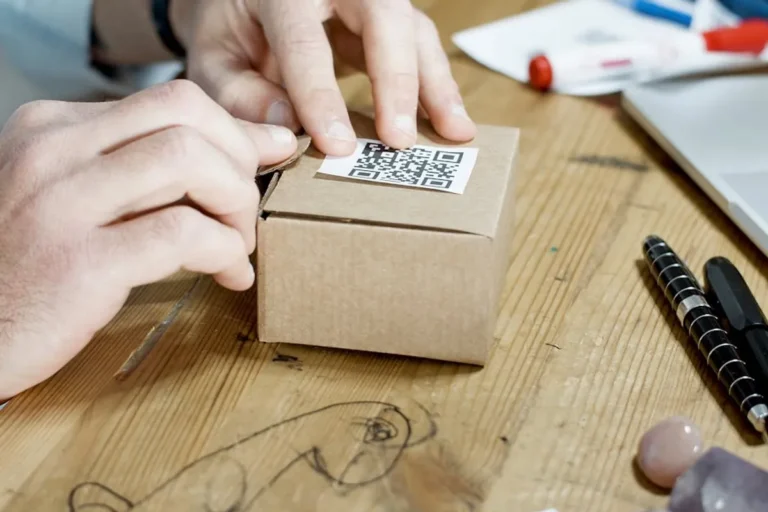
- Stickers or Labels: Cost-effective way to add branding to plain boxes or poly mailers, or to seal tissue paper.
- Product Care Instructions: Clearly printed instructions or warranty information add value and reduce customer service inquiries.
Preparing for Returns
A seamless returns process is crucial for customer satisfaction. Packaging can facilitate this by including necessary components upfront.
- Pre-printed Return Labels: Including a return label makes the process effortless for customers, reducing friction.
- Resealable Packaging: Designing packaging that can be easily resealed for returns minimizes waste and frustration.
- Clear Return Instructions: A concise card or printed information detailing the return policy and steps.
Operational Efficiency and Cost Management
Beyond aesthetics, packaging directly impacts operational costs, from labor to shipping fees. Optimizing these aspects can significantly improve an online store's bottom line.
Logistics and Assembly Optimization
Efficient packing processes save time and labor costs. Consider the ease of assembly for your chosen packaging materials.
- Flat-Pack vs. Pre-Assembled: Flat-pack boxes save storage space but require assembly time. Pre-assembled options save labor but increase storage footprint and material cost.
- Standardization: Using a limited range of box sizes simplifies inventory management and packing procedures.
- Warehouse Layout: Organizing packing stations to minimize movement and ensure easy access to all packaging components.
Shipping Cost Control
Shipping costs are often the largest variable expense for online stores. Packaging choices play a direct role in managing these. Packaging choices play a direct role in managing these, especially when choosing sustainable materials that can reduce overall shipping weight and environmental impact.
- Dimensional Weight Awareness: Shipping carriers calculate costs based on either actual weight or dimensional weight (DIM weight), whichever is greater. Using packaging that minimizes empty space reduces DIM weight charges.
- Weight Reduction: Opting for lighter packaging materials where appropriate can lower actual shipping weight.
- Carrier Compliance: Ensuring packages meet specific carrier requirements for size, weight, and labeling avoids surcharges and delays.
Sustainability and Regulatory Adherence
Consumers increasingly value sustainable practices. Integrating eco-friendly packaging can enhance brand reputation and meet evolving regulatory standards.
Eco-Friendly Material Options
Explore materials that reduce environmental impact without compromising product protection.
- Recycled Content: Packaging made from post-consumer recycled (PCR) materials.
- Biodegradable/Compostable: Materials that break down naturally, reducing landfill waste.
- Minimalist Design: Reducing overall material usage through efficient design.
- Reusable Packaging: Options that customers can repurpose.
Compliance Considerations
Depending on the region, specific regulations may govern packaging materials and waste management. Research local and international requirements to ensure compliance.
Implementing Your Packaging Strategy
Developing a packaging checklist is an ongoing process that requires regular review and adaptation. Start by documenting your current process and identifying areas for improvement based on cost, customer feedback, and operational bottlenecks. Test new materials or designs with small batches before full implementation. Monitor key metrics such as shipping damage rates, customer satisfaction scores related to packaging, and overall packaging costs per order. This iterative approach ensures your packaging strategy remains optimized and responsive to market changes and business growth.
Frequently Asked Questions
How do I choose the right box size for my products?
Measure your product's length, width, and height, then add a small allowance for protective inserts. Aim for a box that minimizes empty space while still allowing for adequate cushioning. Many carriers offer online calculators or guidelines to help determine optimal sizing for dimensional weight purposes.
What is the most cost-effective void fill option?
For most non-fragile items, crumpled Kraft paper or air pillows are generally cost-effective. Biodegradable packing peanuts offer good protection but can be more expensive. The "most" cost-effective option depends on your product's specific needs, shipping volume, and storage space for the fill material.
How important is branded packaging for an online store?
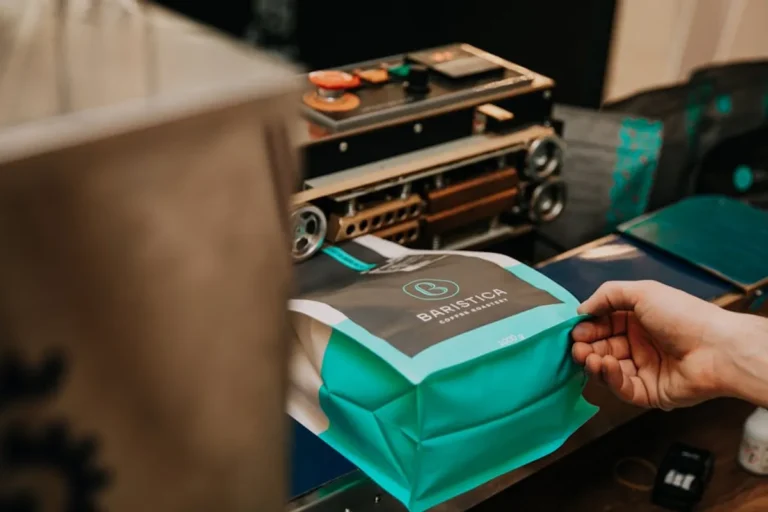
Branded packaging is crucial for building brand identity and enhancing the customer experience. It transforms a transactional delivery into a memorable brand interaction, fostering loyalty and encouraging word-of-mouth marketing. While it adds to per-unit cost, the return on investment through customer retention and brand perception can be significant.
What are common packaging mistakes online stores should avoid?
Common mistakes include using excessive packaging that inflates shipping costs, under-packaging fragile items leading to damage, inconsistent branding, and failing to consider the environmental impact of materials. Neglecting the unboxing experience or making returns difficult also negatively impacts customer satisfaction.

Start the conversation
Thoughtful disagreement welcomed. Promotional links quietly removed.