
Selecting the right packaging for a food business or cafe extends beyond mere containment; it directly impacts brand perception, operational efficiency, and customer experience. Each packaging choice carries implications for material cost, sustainability goals, food safety compliance, and the unboxing moment. This decision requires a calculated approach, balancing aesthetic appeal with practical considerations like thermal retention, transport stability, and ease of use for both staff and customers. Understanding the specific demands of different food items—from hot beverages and baked goods to salads and takeout meals—is crucial for making informed choices that support both your brand identity and bottom line.
Key Considerations for Food Packaging
Before evaluating specific packaging types, consider these foundational elements that dictate suitability and success:
- Material Composition: Assess whether the material is food-grade, recyclable, compostable, or reusable. This impacts environmental footprint, regulatory compliance, and consumer appeal. For instance, PLA (polylactic acid) offers compostability but requires specific industrial facilities, while PET (polyethylene terephthalate) is widely recyclable.
- Functionality and Protection: Packaging must protect its contents from spoilage, leakage, and physical damage during transport and handling. Features like leak-proof seals, ventilation, and insulation are critical for maintaining food quality and temperature. Hot foods require different considerations than cold, and delicate pastries need rigid support.
- Branding and Aesthetics: Packaging is a primary touchpoint for your brand. Custom printing, unique shapes, and tactile qualities can differentiate your offerings. Consider how logos, colors, and messaging can be integrated effectively without compromising functionality or increasing costs disproportionately.
- Cost-Effectiveness: Evaluate not just the per-unit cost of packaging but also associated expenses like storage, assembly time, and potential waste. Bulk purchasing might reduce unit costs, but requires storage space. Labor-intensive assembly can negate material savings.
- Customer Experience: Easy-to-open, re-sealable, and microwave-safe options enhance convenience. Packaging that allows for easy consumption on the go or provides clear instructions for reheating adds value. Consider how the packaging feels in the customer's hand.
- Regulatory Compliance: Ensure all materials and designs comply with local food safety regulations and packaging waste directives. This includes material safety data sheets (MSDS) and certifications for compostability or recyclability.
1. Kraft Paper Bags and Boxes
Kraft paper, derived from wood pulp, offers a natural, rustic aesthetic popular with businesses emphasizing organic or artisanal products. Its inherent strength makes it suitable for carrying heavier items like multiple pastries or small meal boxes. Often unbleached, it presents a visibly eco-friendly image, though its water resistance is limited without a lining.
Best For: Bakeries, sandwich shops, cafes offering dry goods, pastries, and non-liquid takeout items. Ideal for brands aiming for a natural or sustainable image.
Pros:
- Visually appealing natural, earthy look.
- Relatively strong and durable for dry goods.
- Biodegradable and often recyclable (if not heavily contaminated with food).
- Cost-effective for bulk purchase.
- Easy to customize with stamps or simple printing.
Cons:
- Poor resistance to moisture and grease without specialized coatings.
- Limited insulation properties.
- Can appear less premium than other options for certain products.
- Requires additional lining for greasy or wet items, increasing complexity and cost.
Verdict: A versatile and environmentally conscious choice for dry and less messy items, particularly when paired with internal grease-resistant liners for appropriate products. Its natural look resonates with specific brand aesthetics.
2. Compostable Bagasse Containers
Bagasse, a byproduct of sugarcane processing, forms rigid, natural-looking containers that are fully compostable. These containers are often microwave-safe, freezer-safe, and offer good thermal retention, making them suitable for both hot and cold prepared meals. Their sturdy structure prevents crushing, and they break down naturally in commercial composting facilities.
Best For: Restaurants and cafes offering hot meals, salads, and deli items for takeout. Excellent for businesses committed to industrial composting initiatives.
Pros:
- 100% compostable and biodegradable.
- Sturdy and rigid, providing good protection.
- Microwave and freezer safe.
- Good thermal properties for both hot and cold food.
- Natural, unbleached appearance appeals to eco-conscious consumers.
Cons:
- Can be more expensive than traditional plastic or paperboard.
- May not be suitable for home composting, requiring access to industrial facilities.
- Can become slightly soggy with very wet or oily foods over extended periods.
- Limited transparency, making food visibility difficult.
Verdict: A strong contender for businesses prioritizing sustainability and functionality for prepared meals, provided the cost aligns with margins and industrial composting infrastructure is available to customers.
3. Recyclable PET Plastic Clamshells
Polyethylene terephthalate (PET) plastic clamshells offer excellent transparency, allowing customers to view the product clearly. They are lightweight, durable, and provide a secure, tamper-evident seal. PET is widely recyclable in many regions, appealing to consumers who value convenience and clear visibility of their purchase. However, they are not suitable for hot foods.
Best For: Salads, sandwiches, pastries, fruit, and cold deli items where visual presentation is key. Ideal for grab-and-go sections in cafes and delis.
Pros:
- High transparency for appealing product display.
- Lightweight and durable, resisting cracks during transport.
- Often feature secure, tamper-evident closures.
- Widely accepted in municipal recycling programs.
- Cost-effective for many applications.
Cons:
- Not suitable for hot foods (can warp or leach).
- Made from fossil-fuel derived plastics, despite recyclability.
- Can contribute to plastic waste if not properly recycled.
- Perceived as less sustainable by some consumers compared to fiber-based options.
Verdict: An effective solution for cold food presentation and protection, leveraging transparency and widespread recyclability. Best for businesses where visual appeal of cold items is paramount.
4. Custom-Printed Grease-Resistant Wraps
These specialized paper wraps are treated to resist grease and moisture, preventing oils from seeping through. They can be custom-printed with logos and designs, offering a strong branding opportunity. Often used for burgers, sandwiches, or lining baskets, they contribute to a professional and hygienic presentation while maintaining food integrity.
Best For: Burgers, sandwiches, burritos, hot dogs, and basket liners for fried foods. Essential for quick-service restaurants and cafes serving greasy items.
Pros:
- Prevents grease leakage, keeping hands and surfaces clean.
- Excellent branding opportunity through custom printing.
- Adds a professional and hygienic touch.
- Lightweight and space-efficient for storage.
- Can be made from recyclable paper with appropriate coatings.
Cons:
- May not be fully compostable or recyclable if coated with certain plastics.
- Provides minimal structural support or insulation.
- Can be more expensive than plain paper wraps due to specialized coating and printing.
- Not suitable for liquid-heavy items.
Verdict: Indispensable for businesses serving wrapped, greasy items, offering both functional protection and significant branding potential. Material choice for coatings impacts end-of-life options.
5. Insulated Hot/Cold Cups
Designed with double walls or specific insulating materials, these cups maintain the temperature of beverages for extended periods. Options range from disposable paper cups with a PLA lining to reusable stainless steel or ceramic cups. Disposable versions often feature a tight-fitting lid to prevent spills and further enhance insulation.
Best For: Cafes, coffee shops, and food trucks serving hot coffee, tea, or cold beverages like iced lattes and smoothies.
Pros:
- Effectively maintains beverage temperature (hot or cold).
- Prevents external condensation on cold drinks.
- Reduces the need for cup sleeves, simplifying operations.
- Offers surface for branding and messaging.
- Reusable options encourage customer loyalty and reduce waste.
Cons:
- Disposable insulated cups can be more expensive per unit.
- Lined paper cups may not be widely recyclable or compostable in all areas.
- Reusable options require customer participation and cleaning infrastructure.
- Bulkier than single-wall cups for storage.
Verdict: Crucial for beverage-focused businesses to ensure product quality and customer satisfaction. The choice between disposable and reusable hinges on cost, environmental goals, and customer base behavior.
6. Tamper-Evident Packaging
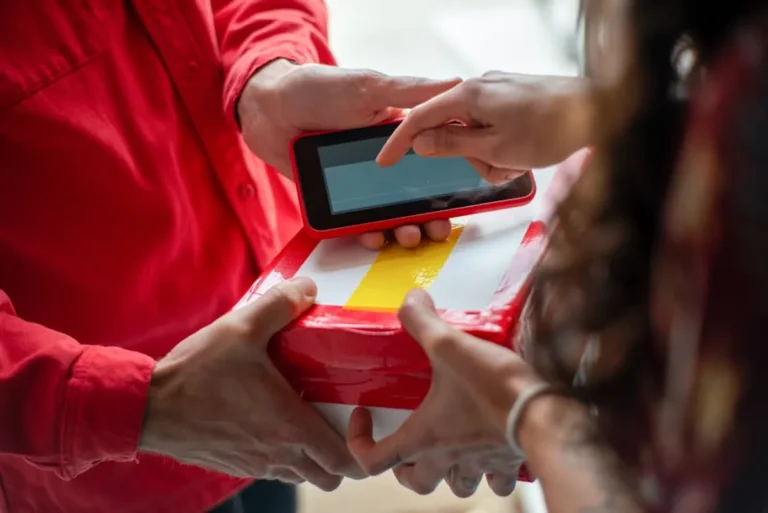
This category includes various packaging solutions designed to clearly show if a product has been opened or altered after sealing. Examples include adhesive seals, tear strips, or containers that visibly break upon opening. It enhances food safety and builds customer trust, especially for delivery services.
Best For: All food businesses offering delivery or takeout, particularly those prioritizing food safety and consumer confidence in an era of third-party delivery services.
Pros:
- Increases consumer confidence in food safety.
- Deters tampering during transit.
- Reduces liability for businesses.
- Can be integrated into various packaging types (e.g., labels, container designs).
- Signals professionalism and care.
Cons:
- Adds an additional step to the packaging process.
- Can increase material costs slightly.
- May require specific equipment for sealing in some cases.
- Some designs can be difficult for customers to open without tearing the packaging.
Verdict: An essential investment for any food business engaging in off-premise sales, providing a critical layer of safety and trust that directly impacts brand reputation and customer loyalty.
7. Glass Jars and Bottles
Glass offers a premium, reusable, and infinitely recyclable packaging option. It provides excellent product visibility and is inert, meaning it won't leach chemicals into food or alter flavors. While heavier and more fragile than plastic, its perceived quality and sustainability benefits are significant for certain products.
Best For: Jams, sauces, dressings, specialty beverages, yogurts, and desserts. Ideal for businesses aiming for a high-end or artisanal market, or those with a return-and-refill program.
Pros:
- Premium aesthetic and feel.
- Infinitely recyclable and reusable.
- Inert material, preserving food flavor and quality.
- Excellent product visibility.
- Durable for reuse, if implemented by the customer.
Cons:
- Heavy, increasing shipping costs and carbon footprint.
- Fragile, prone to breakage during transport.
- Higher unit cost compared to plastic or paper.
- Requires more storage space.
- Not suitable for grab-and-go scenarios where weight is an issue.
Verdict: A strong choice for premium, shelf-stable products where brand perception and sustainability are prioritized over weight and fragility. Excellent for businesses with a return-and-refill model.
8. Windowed Bakery Boxes
These boxes, typically made from paperboard, feature a transparent window (often made from PET or PLA) that allows customers to view the contents without opening the package. This is particularly effective for showcasing visually appealing items like cakes, cupcakes, cookies, or pastries, driving impulse purchases.
Best For: Bakeries, patisseries, and cafes selling cakes, cupcakes, pastries, and other visually attractive baked goods. Maximizes product display appeal.
Pros:
- Showcases products effectively, enhancing visual appeal.
- Provides good protection for delicate items.
- Offers branding opportunities on the paperboard sections.
- Often made from recyclable paperboard (though the window can complicate recycling).
- Perceived as professional and high-quality.
Cons:
- The plastic window can complicate recycling or composting efforts.
- Can be more expensive than plain boxes.
- Limited insulation for temperature-sensitive items.
- Requires careful handling to prevent window damage.
Verdict: Essential for businesses where the visual presentation of baked goods is a key selling point. The balance between display and end-of-life options for the window material needs consideration.
9. Stand-Up Food Pouches
Flexible stand-up pouches, often made from multi-layer films, are lightweight, space-efficient, and offer good barrier properties against moisture, oxygen, and light. They are often re-sealable, adding convenience for consumers. While typically made from plastic, some recyclable or compostable versions are emerging.
Best For: Granola, coffee beans, loose-leaf tea, dried fruits, nuts, and other dry bulk items. Suitable for retail sales in cafes and specialty food shops.
Pros:
- Excellent barrier protection for freshness.
- Lightweight and reduces shipping costs.
- Space-efficient for storage and display.
- Often re-sealable for consumer convenience.
- Offers ample surface for custom branding and information.
Cons:
- Typically made from non-recyclable multi-layer plastics.
- Can be perceived as less premium than rigid packaging like glass.
- Requires specialized filling and sealing equipment for high volumes.
- Limited structural integrity for delicate items.
Verdict: A highly functional and cost-effective solution for dry goods, offering superior freshness and convenience. The environmental impact is a key consideration, pushing demand for mono-material or compostable alternatives.
10. Pulp Fiber Cup Carriers
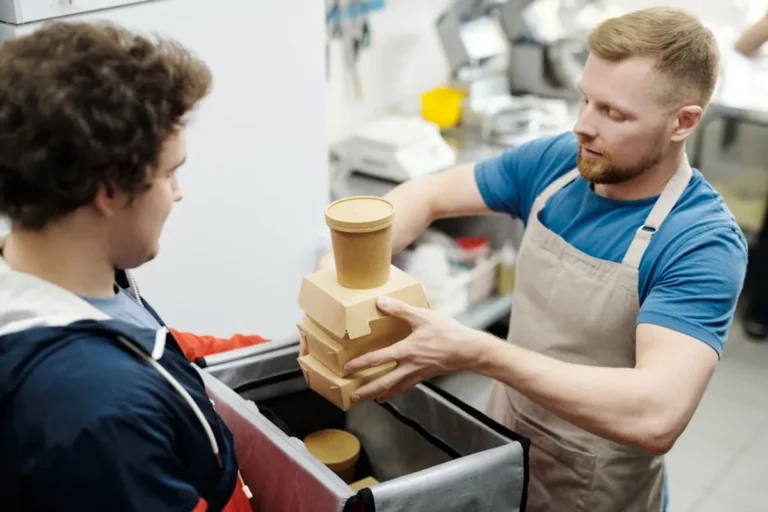
Molded pulp fiber carriers are designed to securely hold multiple beverage cups, preventing spills and making transport easier for customers. They are typically made from recycled paper fibers, making them biodegradable and compostable. Their robust construction prevents cups from tipping over.
Best For: Cafes, coffee shops, and food establishments selling multiple beverages for takeout or delivery. Enhances customer convenience and reduces spill incidents.
Pros:
- Biodegradable and compostable (made from recycled paper).
- Provides stable and secure transport for multiple cups.
- Prevents spills and makes carrying easier.
- Cost-effective for high-volume use.
- Natural, unbleached appearance.
Cons:
- Can become soggy if exposed to significant liquid spills.
- Offers no insulation for beverages.
- Adds bulk to the customer's order.
- Limited branding opportunities beyond a simple stamp.
Verdict: A practical and environmentally friendly accessory for beverage-focused businesses, significantly improving the customer experience for multi-drink orders and reducing operational headaches from spills.
11. PLA-Lined Paperboard Containers
These containers combine the structural benefits of paperboard with a polylactic acid (PLA) lining, a bioplastic derived from renewable resources like corn starch. The PLA lining provides moisture and grease resistance, making the containers suitable for a wider range of foods, including some wet or oily dishes. They are designed to be commercially compostable.
Best For: Hot soups, stews, pasta dishes, and salads with dressing. Ideal for businesses committed to offering compostable packaging for a broader range of menu items.
Pros:
- Commercially compostable (where facilities exist).
- Offers good moisture and grease resistance.
- Suitable for both hot and cold foods.
- Provides a surface for custom printing and branding.
- More rigid than bagasse for certain applications.
Cons:
- Requires industrial composting facilities for proper disposal.
- Can be more expensive than traditional paper or plastic.
- PLA has a lower heat tolerance than PP plastic, potentially limiting use for very hot foods.
- May not be suitable for home composting.
Verdict: A strong sustainable option for diverse food offerings, bridging the gap between paperboard aesthetics and plastic functionality, provided the end-of-life composting infrastructure is accessible.
12. Aluminum Foil Containers with Lids
Aluminum foil containers are excellent for reheating food directly in the oven, making them a convenient option for customers. They offer good thermal retention and are recyclable. Their rigidity protects contents, and they are suitable for a wide range of hot and cold dishes, particularly those meant for oven reheating.
Best For: Prepared meals, casseroles, baked pasta, and other dishes intended for reheating at home. Ideal for caterers, delis, and meal prep services.
Pros:
- Excellent for oven reheating, offering customer convenience.
- Good thermal retention for both hot and cold food.
- Recyclable (if clean).
- Rigid and protective for various food types.
- Cost-effective for many applications.
Cons:
- Not microwave-safe.
- Can be crushed if mishandled.
- Lids are often plastic or paperboard, complicating single-stream recycling.
- Less appealing aesthetically for direct serving compared to other options.
Verdict: A highly functional choice for dishes requiring oven reheating, prioritizing utility and thermal performance. Its recyclability is a benefit, but the non-microwave aspect and aesthetic limitations should be considered.
Optimizing Your Packaging Strategy
Implementing a successful packaging strategy involves continuous evaluation and adaptation. Start by conducting small-scale trials with selected packaging options, gathering feedback from both staff and customers on ease of use, functionality, and aesthetic appeal. Track key metrics such as packaging cost per item, waste generated, and customer complaints related to spills or damage. Monitor industry trends in sustainable materials and consumer preferences to remain competitive and compliant. Consider a phased approach, perhaps introducing sustainable options for specific product lines first, then expanding based on success and customer reception. Engage with your suppliers to understand minimum order quantities, lead times, and customization possibilities, which can impact both cost and flexibility.
Frequently Asked Questions
What is the most sustainable food packaging option?
There isn't a single "most" sustainable option; it depends on local infrastructure and product needs. Compostable materials like bagasse or PLA-lined paperboard are excellent if industrial composting is available. Recyclable options like PET plastic or aluminum are good where recycling streams are robust. Reusable systems, like glass jars with a deposit scheme, offer the highest sustainability potential but require customer participation.
How can I make my packaging more cost-effective?
Consider bulk purchasing to reduce per-unit costs, but ensure you have adequate storage. Standardize packaging sizes where possible to simplify inventory and ordering. Explore options for custom printing directly on packaging rather than using separate labels, which can save labor. Evaluate assembly time for different packaging types, as labor costs can quickly outweigh material savings.
Is custom branding on packaging worth the investment?
Yes, custom branding transforms packaging from a functional necessity into a marketing tool. It reinforces brand identity, enhances professionalism, and improves customer recall. Even simple branding like a stamped logo on a kraft bag can elevate the perceived value and create a memorable experience, justifying the investment through increased brand recognition and loyalty.
What are the regulations for food packaging?
Regulations vary by region and country but generally cover food-grade material safety, labeling requirements, and disposal guidelines (e.g., recycling symbols, compostability certifications). It's crucial to consult local food safety authorities and packaging waste directives to ensure full compliance. Suppliers should be able to provide necessary certifications for their materials.
How do I choose between rigid and flexible packaging?
Rigid packaging (e.g., boxes, clamshells, jars) offers superior protection, stackability, and often a premium feel, making it suitable for delicate items or those requiring structural integrity. Flexible packaging (e.g., pouches, wraps) is lightweight, space-efficient, and often more cost-effective for dry goods or items that conform to their container. The choice depends on the product's fragility, desired shelf life, and customer convenience.
Start the conversation
Thoughtful disagreement welcomed. Promotional links quietly removed.