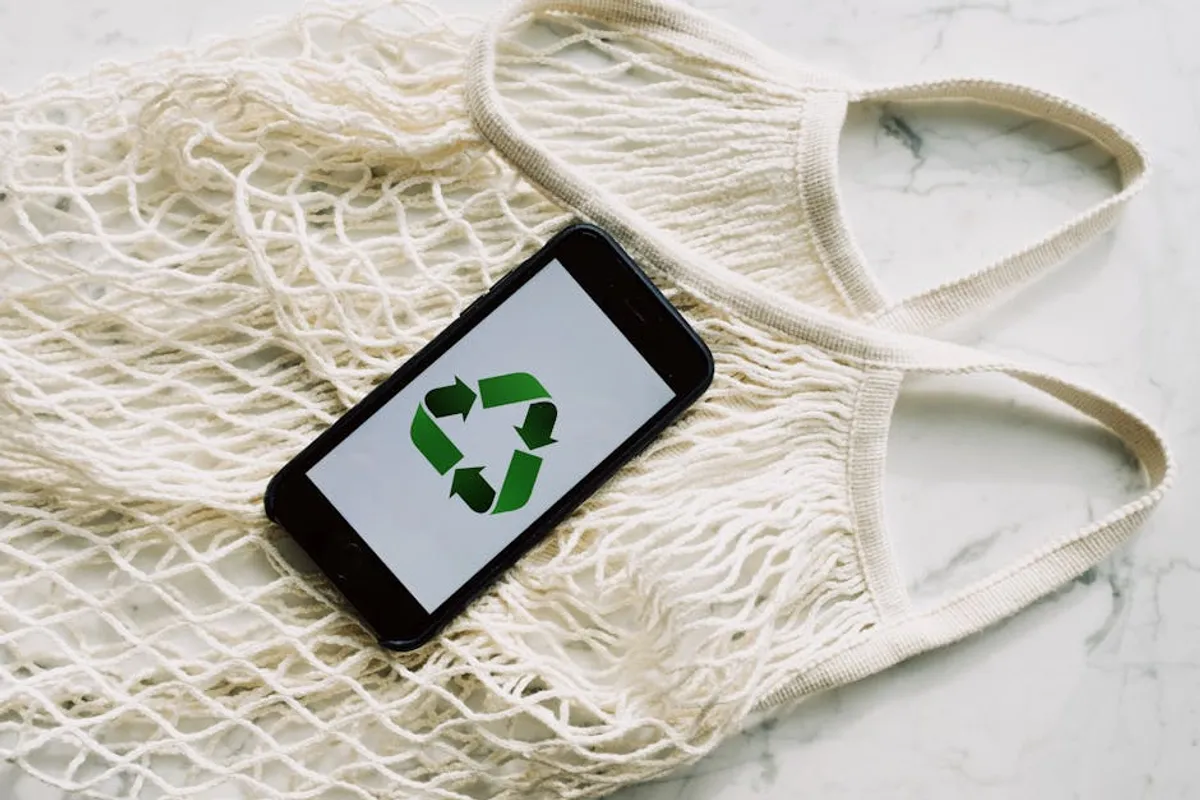
Modern consumers increasingly prioritize environmental responsibility when making purchasing decisions, extending this expectation to product packaging. For businesses, adopting eco-friendly gift packaging is no longer a niche consideration but a strategic imperative that influences brand perception, customer loyalty, and market differentiation. The decision to transition involves evaluating material options, understanding their lifecycle, and aligning choices with both brand values and practical operational needs. This shift presents an opportunity to communicate commitment to sustainability while delivering a premium unboxing experience. Exploring various eco-friendly gift packaging ideas can help businesses align with consumer values and enhance their brand image.
Recycled and Post-Consumer Content Packaging
Packaging crafted from recycled materials, particularly post-consumer waste (PCW), offers a direct way to reduce demand for virgin resources and divert waste from landfills. These materials have undergone a previous life cycle, reducing their overall environmental footprint compared to virgin alternatives.
Recycled Paperboard and Cardboard
Composition: Often made from a high percentage of PCW paper, such as old corrugated containers (OCC), newspapers, and mixed paper. The fibers are re-pulped and reformed into new sheets.
Best for: Gift boxes, product inserts, hang tags, and protective void fill. Suitable for items requiring structural integrity and a premium feel without excessive weight.
Commercial Benefit: Conveys a clear message of circularity. Recycled paperboard can be customized with various finishes, printing techniques, and embossing, maintaining a high-end aesthetic. It's often cost-effective for bulk orders due to established recycling infrastructures.
Considerations: The exact percentage of PCW content varies; higher percentages are preferable for stronger environmental claims. Ensure suppliers provide certification (e.g., FSC Recycled) to verify material origins.
Recycled Plastics (rPET, rHDPE)
Composition: Post-consumer polyethylene terephthalate (rPET) from plastic bottles or high-density polyethylene (rHDPE) from milk jugs and detergent bottles, reprocessed into new forms.
Best for: Protective clamshells, clear gift boxes, or trays where visibility of the product is crucial. Also used for internal fitments and cushioning.
Commercial Benefit: Offers durability and transparency similar to virgin plastics but with a reduced carbon footprint. Appeals to consumers concerned about plastic waste, especially when clearly labeled as recycled.
Considerations: Availability and cost can fluctuate based on recycled plastic supply chains. Ensure the recycled content is food-safe if direct contact with edibles is required. Clarity and color consistency can sometimes differ slightly from virgin plastic.
Biodegradable and Compostable Packaging Solutions
These materials are designed to break down naturally in specific environments, returning to the earth without leaving behind persistent toxins. The distinction between biodegradable and compostable is critical for accurate environmental claims.
Plant-Based Bioplastics (PLA, PHA)
Composition: Polylactic acid (PLA) derived from renewable resources like corn starch or sugarcane, and polyhydroxyalkanoates (PHA) produced by bacteria. These are designed to break down under industrial composting conditions.
Best for: Clear films, protective bags, windowed gift boxes, or molded inserts. Offers a clear, flexible, or rigid plastic-like alternative.
Commercial Benefit: Appeals to a strong consumer preference for plastic alternatives. Can be visually indistinguishable from traditional plastics, maintaining product presentation.
Considerations: PLA typically requires industrial composting facilities, which are not universally available. PHA offers better home compostability but is currently more expensive and less widely available. Mislabeling can lead to improper disposal and undermine environmental efforts.
Mushroom Packaging
Composition: Grown from agricultural waste (e.g., hemp hurds, corn stalks) and mycelium (the root structure of mushrooms). The mycelium binds the waste into a rigid, custom-molded shape.
Best for: Protective void fill, custom-molded inserts for fragile or high-value gifts. Excellent for cushioning and shock absorption.
Commercial Benefit: A highly innovative and distinctive packaging solution that signals cutting-edge sustainability. It's home compostable and breaks down quickly.
Considerations: Lead times for custom molds can be longer, and the material has a unique, earthy aesthetic that may not suit all brands. Cost can be higher than traditional foams due to specialized production.
Corrugated Bubble Wrap Alternatives
Composition: Made from corrugated cardboard or paper, often die-cut or folded to create cushioning structures that mimic bubble wrap's protective qualities.
Best for: Wrapping fragile items, filling voids, and creating protective layers within gift boxes.
Commercial Benefit: Provides comparable protection to plastic bubble wrap but is easily recyclable with other paper products. Reinforces a brand's commitment to plastic reduction.
Considerations: Can be slightly bulkier than plastic bubble wrap for the same level of protection, potentially increasing shipping volume. Ensure the paper used is from sustainable sources or recycled content.
Pro Tip: Avoid "greenwashing" by verifying all eco-friendly claims with third-party certifications. Look for labels from reputable organizations like the Forest Stewardship Council (FSC), Biodegradable Products Institute (BPI), or certifications for recycled content. Transparency in sourcing and disposal instructions builds consumer trust. Having a comprehensive eco-friendly packaging checklist before ordering ensures you meet all sustainability and transparency goals.
Reusable and Durable Packaging
The most sustainable packaging is often that which is not discarded after a single use. Designing gift packaging for reuse extends its life cycle and reinforces its value.
Fabric Gift Wraps (Furoshiki)
Composition: Typically made from organic cotton, linen, silk, or recycled fabrics. Designed to be tied and reused as gift wrap, scarves, or other household items.
Best for: Premium gifts, luxury items, or products where the packaging itself is part of the gift experience. Ideal for brands wanting to convey elegance and thoughtfulness.
Commercial Benefit: Offers a unique, memorable, and luxurious unboxing experience. The reusable nature provides ongoing brand exposure. Can be customized with brand logos or patterns.
Considerations: Higher upfront cost per unit compared to single-use paper wraps. Requires educating consumers on reuse potential. Not suitable for very bulky or unusually shaped items without careful design.
Durable Gift Boxes and Tins
Composition: High-quality rigid paperboard, metal (tinplate, aluminum), or wood. Designed for long-term storage or secondary use.
Best for: High-value products, subscription boxes, or items that benefit from a keepsake container. Encourages consumers to retain the packaging.
Commercial Benefit: Elevates perceived product value and provides a lasting physical reminder of the brand. Offers excellent protection during shipping and storage.
Considerations: Higher material and manufacturing costs. Requires careful design to ensure the box's secondary use is genuinely appealing to consumers, preventing it from becoming discarded clutter.
Key Considerations for Sustainable Gift Packaging
- Source Verification: Always request documentation for recycled content percentages, sustainable forestry certifications (e.g., FSC), or compostability standards (e.g., ASTM D6400, EN 13432).
- End-of-Life Planning: Understand how your packaging will be disposed of. Is it widely recyclable, industrially compostable, home compostable, or designed for reuse? Provide clear instructions for consumers.
- Logistics and Weight: Eco-friendly materials should not compromise product protection or significantly increase shipping weight and volume, which can negate environmental gains through increased transportation emissions.
- Brand Alignment: Select materials and designs that authentically reflect your brand's aesthetic and values. Inconsistency can undermine sustainability claims.
- Cost-Benefit Analysis: While some eco-friendly options may have a higher unit cost, consider the long-term benefits in terms of brand reputation, customer loyalty, and potential market access.
Implementing Sustainable Packaging Practices
Transitioning to eco-friendly gift packaging is a process that benefits from a phased approach and clear communication. Start by auditing your current packaging to identify areas for improvement, focusing on high-volume items or those with the most significant environmental impact. Engage with suppliers early to explore available options and understand minimum order quantities and lead times. Pilot new packaging with a segment of your product line to gather feedback and refine your approach before a full rollout. Crucially, educate your customers on your sustainable choices, explaining the materials used and how they can properly dispose of or reuse the packaging. This transparency reinforces your brand's commitment and empowers consumers to participate in the sustainability cycle.
Frequently Asked Questions
Is eco-friendly gift packaging always more expensive?
Not necessarily. While some innovative materials may have a higher unit cost, others like recycled paperboard can be competitive. Factors like material choice, order volume, and design complexity significantly impact pricing. Brands often find that the increased customer loyalty and enhanced brand image justify any marginal cost increases.
How can I ensure my eco-friendly claims are credible?
Rely on third-party certifications (e.g., FSC for paper, BPI for compostable plastics) and transparently communicate the specific materials and their end-of-life instructions. Avoid vague terms like "green" without specific, verifiable details.
What's the difference between biodegradable and compostable packaging?
Biodegradable materials break down naturally over time, but the timeframe and resulting byproducts can vary. Compostable materials break down into natural elements in a specific timeframe under controlled conditions (industrial or home composting), leaving no toxic residue. Compostable is a more stringent standard.
How do I balance packaging protection with environmental goals?
Prioritize protection to prevent product damage, which leads to waste. Seek eco-friendly materials that offer comparable protective qualities, such as corrugated inserts or mushroom packaging. Optimize package size to reduce void fill and shipping volume, minimizing both material use and transportation impact.

Start the conversation
Thoughtful disagreement welcomed. Promotional links quietly removed.