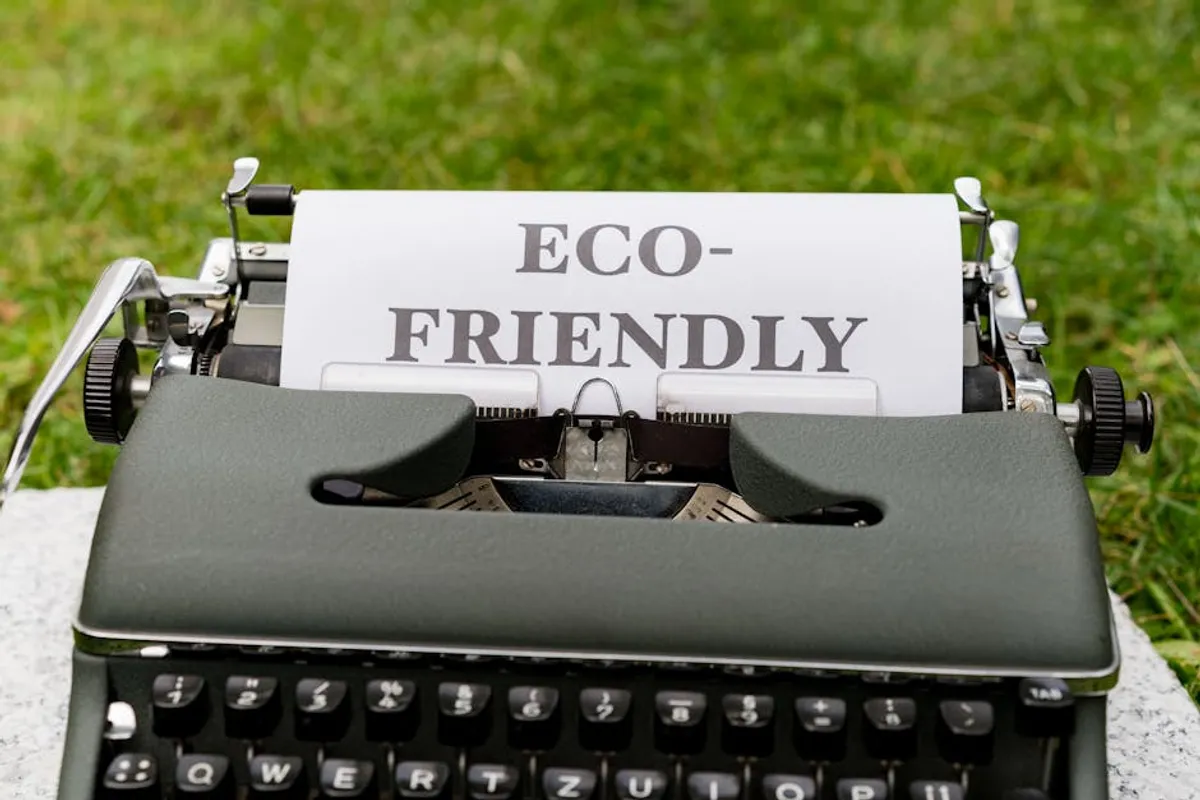
Small shop owners navigating the packaging landscape face a critical decision: how to deliver products securely and appealingly while upholding environmental responsibility. The choice of packaging directly impacts brand perception, operational costs, and regulatory compliance. Beyond basic protection, eco-friendly packaging communicates a shop's values, potentially attracting a growing segment of environmentally conscious consumers. This article explores practical, sustainable packaging ideas designed to meet the unique needs of small businesses, balancing cost-effectiveness with genuine ecological benefit.
What to Look For in Eco-Friendly Packaging
When evaluating eco-friendly packaging options, small shops should consider several key factors beyond just the "green" label. True sustainability involves a product's entire lifecycle. Look for materials that are:
- Recycled Content: Packaging made from post-consumer or post-industrial waste reduces demand for virgin resources and diverts materials from landfills.
- Recyclable: Ensure the packaging can be easily recycled through common municipal programs. Clear labeling (e.g., chasing arrows symbol with resin code) helps consumers.
- Compostable/Biodegradable: Materials that break down naturally into non-toxic components, ideally in home compost or industrial facilities. Verify certifications (e.g., BPI, TÜV Austria) for compostability claims.
- Renewable Resources: Sourced from materials that can be naturally replenished, such as bamboo, corn starch, or mycelium.
- Lightweight and Efficient: Reduces shipping weight and volume, lowering transportation emissions and costs.
- Durable and Protective: Eco-friendly doesn't mean fragile. Packaging must still protect products to prevent waste from damage and returns.
- Non-Toxic Inks and Adhesives: Ensure any branding or sealing elements are also environmentally sound and do not contaminate the primary material.
- Cost-Effective at Scale: While initial investment might be higher, evaluate the long-term cost benefits, including reduced waste disposal and enhanced brand appeal.
- Supply Chain Transparency: Understand where materials are sourced and how they are processed.
1. Recycled Corrugated Cardboard Boxes
Recycled corrugated cardboard boxes are a foundational eco-friendly packaging choice, offering robust protection and widespread recyclability. These boxes are typically made from a high percentage of post-consumer recycled content, often 60-95%, reducing the need for virgin pulp. Their fluted structure provides cushioning against impacts, making them suitable for a wide range of products from electronics to apparel. They are lightweight relative to their strength and can be easily customized with water-based inks for branding.
Best For: General shipping of various product types, e-commerce orders, subscription boxes, and products requiring structural integrity.
Pros:
- High recycled content and widely recyclable through curbside programs.
- Excellent protective qualities due to corrugated fluting.
- Versatile in size and shape, easily customizable for branding.
- Relatively cost-effective at scale compared to more specialized eco-materials.
- Biodegradable if not contaminated with non-compostable elements.
Cons:
- Not water-resistant without additional coatings, which can hinder recyclability.
- Can be bulky to store if not ordered flat-packed.
- Aesthetics can be basic unless custom printed, which adds cost.
- Requires tape for sealing, which should also be eco-friendly.
Verdict: An indispensable, reliable, and cost-efficient choice for small shops prioritizing robust protection and clear end-of-life recycling. Its widespread acceptance in recycling streams makes it a consumer-friendly option.
2. Compostable Mailers (PLA/PBAT Blends)
Compostable mailers, often made from blends of plant-based bioplastics like PLA (polylactic acid) and PBAT (polybutylene adipate terephthalate), offer a flexible, lightweight alternative to traditional plastic poly mailers. These materials are designed to break down into natural elements in a commercial composting facility, and some are certified for home composting. They provide a soft, protective layer suitable for non-fragile items, reducing shipping weight and volume.
Best For: Apparel, soft goods, books, non-breakable items, and products where a lightweight, flexible mailer is preferred over a rigid box.
Pros:
- Fully compostable, reducing landfill waste.
- Lightweight and flexible, minimizing shipping costs and material usage.
- Often feature a self-seal adhesive strip for easy packing.
- Communicates strong environmental commitment to customers.
- Can be printed with eco-friendly inks for branding.
Cons:
- Requires access to industrial or home composting facilities for proper disposal; if landfilled, they may not degrade effectively.
- Can be more expensive per unit than traditional poly mailers.
- Less durable and puncture-resistant than some recycled poly mailers.
- Shelf life can be sensitive to heat and humidity, potentially degrading before use.
Verdict: An excellent choice for shops with customers who actively compost, offering a strong environmental statement. Practical implementation depends on consumer access to proper composting infrastructure.
3. Recycled Content Poly Mailers
Recycled content poly mailers are crafted from post-consumer or post-industrial recycled plastics, typically LDPE (low-density polyethylene). These mailers retain the durability, water resistance, and tear resistance of virgin plastic mailers while significantly reducing the demand for new plastics. They are a practical solution for shops needing protection against moisture and rough handling without the bulk of a box, and many are designed to be recyclable again where plastic film recycling is available.
Best For: Clothing, textiles, durable goods, and items requiring water resistance and a flexible, lightweight package for shipping.
Pros:
- Excellent water resistance and tear strength, protecting contents from elements.
- Significantly reduces virgin plastic consumption.
- Lightweight nature keeps shipping costs down.
- Often made with a high percentage of recycled content (e.g., 50-100%).
- Can be recycled again at store drop-off locations for plastic films.
Cons:
- Recyclability depends on local plastic film recycling infrastructure, which is not universally available curbside.
- Still a plastic product, which some consumers may perceive negatively regardless of recycled content.
- Not biodegradable or compostable.
- Less rigid protection compared to cardboard boxes.
Verdict: A highly practical and cost-effective eco-friendly option for shops needing durable, water-resistant packaging. It represents a significant improvement over virgin plastic mailers, provided consumers can access appropriate film recycling.
4. Kraft Paper (Recycled and Recyclable)
Kraft paper, especially versions made from recycled content, is a versatile and fundamental component of eco-friendly packaging. Its natural brown aesthetic often conveys an earthy, sustainable brand image. It can be used as void fill, wrapping paper, protective layering, or even for creating custom bags. Recycled kraft paper is strong, durable, and easily recyclable or compostable, making it a staple for many small businesses. It can also be transformed into custom paper bags for a branded touch.
Best For: Void fill, product wrapping, dunnage, internal box cushioning, creating a rustic or natural brand aesthetic, and lightweight item protection.
Pros:
- Highly versatile for multiple packaging functions.
- Made from renewable resources and often high recycled content.
- Widely recyclable and compostable.
- Affordable, especially when purchased in bulk rolls.
- Provides a natural, unbleached look that aligns with eco-friendly branding.
Cons:
- Offers limited cushioning for fragile items on its own.
- Not water-resistant.
- Can be prone to tearing if used as an outer layer without additional protection.
- Requires manual effort for wrapping and crumpling as void fill.
Verdict: An essential, low-cost, and highly adaptable eco-friendly material. Its primary utility lies in its versatility for internal packaging and aesthetic wrapping, complementing more protective outer layers.
5. Corrugated Bubble Wrap Alternatives (Paper-Based)
Traditional plastic bubble wrap, while effective, is a significant source of plastic waste. Corrugated bubble wrap alternatives, often made from die-cut or shredded paper, provide similar cushioning properties using entirely recyclable and biodegradable materials. These solutions leverage the natural spring and structure of paper to absorb shocks, protecting fragile items during transit. They are typically made from recycled paper and can be recycled again with other paper products.
Best For: Protecting fragile items, glassware, ceramics, electronics, and products requiring void fill with cushioning without using plastic.
Pros:
- Completely plastic-free, recyclable, and biodegradable.
- Provides effective cushioning and shock absorption.
- Often made from recycled content, further reducing environmental impact.
- Can be aesthetically pleasing, offering a natural look.
- Reduces consumer confusion regarding disposal compared to plastic bubble wrap.
Cons:
- Can be bulkier than plastic bubble wrap for equivalent protection, potentially increasing box size.
- May be more expensive per unit than conventional bubble wrap.
- Less flexible for wrapping irregularly shaped items compared to plastic.
- Not water-resistant.
Verdict: An excellent, plastic-free alternative for shops committed to eliminating plastic void fill. It offers robust protection for fragile items, aligning fully with paper-based recycling streams.
6. Water-Activated Tape (Recycled Fiber)
Water-activated tape (WAT), particularly versions reinforced with fiberglass and made from recycled paper, provides a strong, tamper-evident seal for cardboard boxes. Unlike plastic pressure-sensitive tapes, WAT bonds directly with the fibers of the cardboard, creating a permanent seal that strengthens the box structure. Its paper-based composition means it can be recycled along with the box, eliminating the need for customers to separate tape before recycling.
Best For: Sealing all types of corrugated cardboard boxes, especially for e-commerce, ensuring secure and tamper-evident shipments.
Pros:
- Creates a superior, tamper-evident seal that strengthens the box.
- Made from renewable paper resources and often includes recycled content.
- Fully recyclable with the cardboard box, simplifying disposal for consumers.
- Available with custom printing using water-based inks for branding.
- Requires less tape per seal than plastic tape due to superior adhesion.
Cons:
- Requires a water-activated tape dispenser, which is an upfront investment.
- Can be slower to apply manually compared to pressure-sensitive tape for very low volumes.
- Not suitable for plastic mailers or non-paper packaging.
- Less flexible than plastic tape, making it harder to seal unusually shaped packages.
Verdict: A premium, eco-friendly sealing solution that enhances both security and recyclability. The initial investment in a dispenser is quickly offset by improved efficiency and environmental benefits for shops with consistent box shipments.
7. Glassine Bags and Envelopes
Glassine is a smooth, translucent paper that is air, water, and grease resistant. It is made from wood pulp and is fully recyclable, compostable, and biodegradable. Unlike plastic bags, glassine offers a sophisticated, natural aesthetic that can elevate the unboxing experience. It is particularly useful for protecting delicate items, small parts, or products that require a barrier against moisture or oils without resorting to plastic.
Best For: Packaging small items like jewelry, prints, stationery, soap, food items (e.g., baked goods), and as an inner protective layer for products.
Pros:
- Recyclable, compostable, and biodegradable.
- Grease, air, and moisture resistant, providing good product protection.
- Translucent quality allows products to be seen without being exposed.
- Offers a premium, natural aesthetic that enhances brand perception.
- Plastic-free alternative for small product packaging.
Cons:
- Less durable and tear-resistant than plastic or thicker paper bags.
- Can be more expensive than basic plastic alternatives.
- Limited structural integrity; best used for lightweight or non-fragile items.
- Not suitable for heavy or sharp-edged products.
Verdict: An elegant and genuinely eco-friendly option for small, lightweight products where presentation and plastic-free packaging are priorities. Its natural properties make it a strong choice for artisanal or food-related goods.
8. Mushroom Packaging (Mycelium-Based)
Mushroom packaging, developed from mycelium (the root structure of fungi) and agricultural waste (like hemp hurds or corn stalks), represents a significant innovation in protective packaging. This material is grown into custom molds, creating lightweight, shock-absorbent inserts that are fully compostable and biodegradable. It offers a direct, natural replacement for expanded polystyrene (Styrofoam) foam, which is notoriously difficult to recycle.
Best For: Fragile or high-value items requiring custom-fit protective inserts, electronics, cosmetics, and products where a premium, innovative eco-solution is desired.
Pros:
- 100% compostable and biodegradable, returning to nature.
- Excellent shock absorption and protective qualities, comparable to Styrofoam.
- Made from renewable, rapidly growing resources and agricultural waste.
- Can be custom-molded to fit specific product shapes, reducing waste.
- Communicates cutting-edge sustainability and innovation to customers.
Cons:
- Higher cost per unit due to specialized manufacturing processes.
- Minimum order quantities can be high, making it less accessible for very small shops.
- Texture and appearance can be unfamiliar to consumers.
- Not water-resistant without additional coatings.
Verdict: A revolutionary, high-impact eco-friendly solution for shops that prioritize maximum environmental benefit and can justify the higher cost for fragile or premium products. It offers a compelling story of innovation and circularity.
9. Plantable Seed Paper
Plantable seed paper is a unique packaging material embedded with wildflower, herb, or vegetable seeds. After unpacking, customers can plant the paper, which then sprouts into plants, leaving no waste behind. This type of packaging turns a disposable item into an engaging, value-added experience, fostering a deeper connection between the customer and the brand. It's typically made from post-consumer waste paper and uses water-based inks.
Best For: Greeting cards, product tags, labels, small promotional inserts, gift packaging, and products where adding a unique, interactive, and memorable eco-friendly element is desired.
Pros:
- Zero-waste solution; transforms into plants after use.
- Creates a memorable and interactive unboxing experience.
- Strong emotional appeal and positive brand association.
- Made from recycled paper and biodegradable.
- Can be customized with branding and specific seed types.
Cons:
- Higher cost per unit compared to standard paper.
- Limited structural integrity; not suitable for primary protective packaging.
- Requires careful handling to avoid premature seed germination.
- Seeds have a shelf life, impacting long-term storage.
Verdict: An exceptional choice for adding a distinctive, sustainable, and interactive touch to packaging. While not a primary protective solution, it excels as an insert or tag that reinforces a brand's commitment to environmental stewardship and customer engagement.
10. Bio-Based Packing Peanuts (Starch-Based)
Traditional polystyrene packing peanuts are a major environmental concern. Bio-based packing peanuts, typically made from corn starch or other plant-based starches, offer a fully biodegradable and compostable alternative. These peanuts dissolve harmlessly in water, providing a convenient and eco-friendly disposal method for consumers. They offer effective void fill and cushioning for a variety of products.
Best For: Void fill for fragile items, electronics, ceramics, and any product needing loose cushioning within a box to prevent shifting and impact damage.
Pros:
- 100% biodegradable and compostable; dissolves in water.
- Made from renewable plant-based resources.
- Provides comparable cushioning and void fill to traditional polystyrene peanuts.
- Non-toxic and safe for handling.
- Easy and satisfying disposal for consumers.
Cons:
- Can be more expensive than polystyrene peanuts.
- Can attract pests if stored improperly (due to starch content).
- Generates static cling, potentially sticking to products or clothing.
- Dissolves if exposed to moisture, so not suitable for wet environments.
Verdict: A superior, genuinely eco-friendly void fill solution that eliminates plastic waste. The water-soluble nature makes disposal simple and appealing for customers, justifying the slightly higher cost for most small shops.
11. Hemp Fiber Packaging
Hemp fiber, derived from the industrial hemp plant, is gaining traction as a sustainable packaging material due to its rapid growth cycle, low water and pesticide requirements, and exceptional strength. Hemp can be processed into paper, cardboard, or even molded pulp forms, offering durable and biodegradable packaging solutions. Its long fibers contribute to high tear resistance, making it a robust option for various applications.
Best For: Specialty product boxes, rigid inserts, protective sleeves, and applications requiring high strength and a unique, natural aesthetic.
Pros:
- Highly sustainable crop with minimal environmental impact during cultivation.
- Produces strong, durable, and tear-resistant packaging materials.
- Biodegradable and recyclable (if not heavily treated).
- Offers a distinct, premium, and natural look.
- Versatile; can be formed into various paper and molded pulp products.
Cons:
- Currently more expensive than traditional paper or cardboard due to smaller scale production.
- Limited availability and fewer suppliers compared to conventional materials.
- Color can be a natural, unbleached brown, which may not suit all branding.
- Not inherently water-resistant.
Verdict: An innovative, high-performance eco-friendly option for shops looking to differentiate with unique, robust, and highly sustainable packaging. While pricier, its environmental credentials and strength make it suitable for premium or specialty products.
12. Upcycled and Repurposed Materials
Upcycling and repurposing existing materials for packaging offers a zero-cost or low-cost solution that champions circularity. This can involve using discarded fabric scraps for product bags, old newspaper for void fill, or creatively reusing existing boxes and containers. While not always scalable for high-volume operations, it provides a highly personalized, unique, and genuinely sustainable approach for small, artisanal shops or those with very specific product types.
Best For: Artisanal goods, handmade products, small batch items, local deliveries, and businesses with a strong DIY or craft aesthetic.
Pros:
- Minimizes waste and extends the life of materials.
- Can be extremely low-cost or free, using readily available resources.
- Creates unique, personalized packaging that tells a story.
- Highly sustainable, reducing demand for new materials.
- Engages customers in the brand's commitment to sustainability.
Cons:
- Can be labor-intensive and time-consuming to prepare.
- Consistency in appearance and quality can vary significantly.
- Not scalable for high-volume operations or standardized packaging needs.
- May not offer consistent protective qualities for fragile items.
- Can sometimes appear less professional if not executed thoughtfully.
Verdict: An excellent, highly authentic, and cost-effective solution for micro-businesses and artisans where uniqueness and a strong narrative around sustainability are paramount. It requires creativity and manual effort but yields distinct results.
Measuring Success and Choosing the Right Provider
Implementing eco-friendly packaging is not a one-time decision but an ongoing process. To measure success, track key metrics such as:
- Customer Feedback: Monitor reviews, social media comments, and direct feedback regarding your packaging choices. Positive sentiment around sustainability can translate to loyalty.
- Waste Reduction: Quantify the reduction in non-recyclable or non-compostable waste generated by your operations.
- Cost Analysis: Compare the total cost of eco-friendly packaging (material, shipping weight, disposal) against previous solutions. Look for long-term savings from reduced waste fees or increased customer retention.
- Brand Perception: Conduct informal surveys or monitor brand mentions to see if your eco-efforts are resonating with your target audience.
- Return Rates: Ensure the new packaging adequately protects products to prevent damage-related returns, which negate environmental benefits.
When selecting a packaging provider, prioritize transparency regarding material sourcing, recycled content percentages, and certifications (e.g., FSC for paper, BPI for compostable plastics). Request samples to test durability and aesthetic appeal. Look for suppliers who offer a range of sizes and customization options suitable for small batch orders, and inquire about their own sustainability practices. A reliable partner will provide clear information on end-of-life disposal for their products, empowering you to educate your customers effectively.
Frequently Asked Questions About Eco-Friendly Packaging
Q: Is eco-friendly packaging always more expensive?
A: Not necessarily. While some specialized materials

Start the conversation
Thoughtful disagreement welcomed. Promotional links quietly removed.