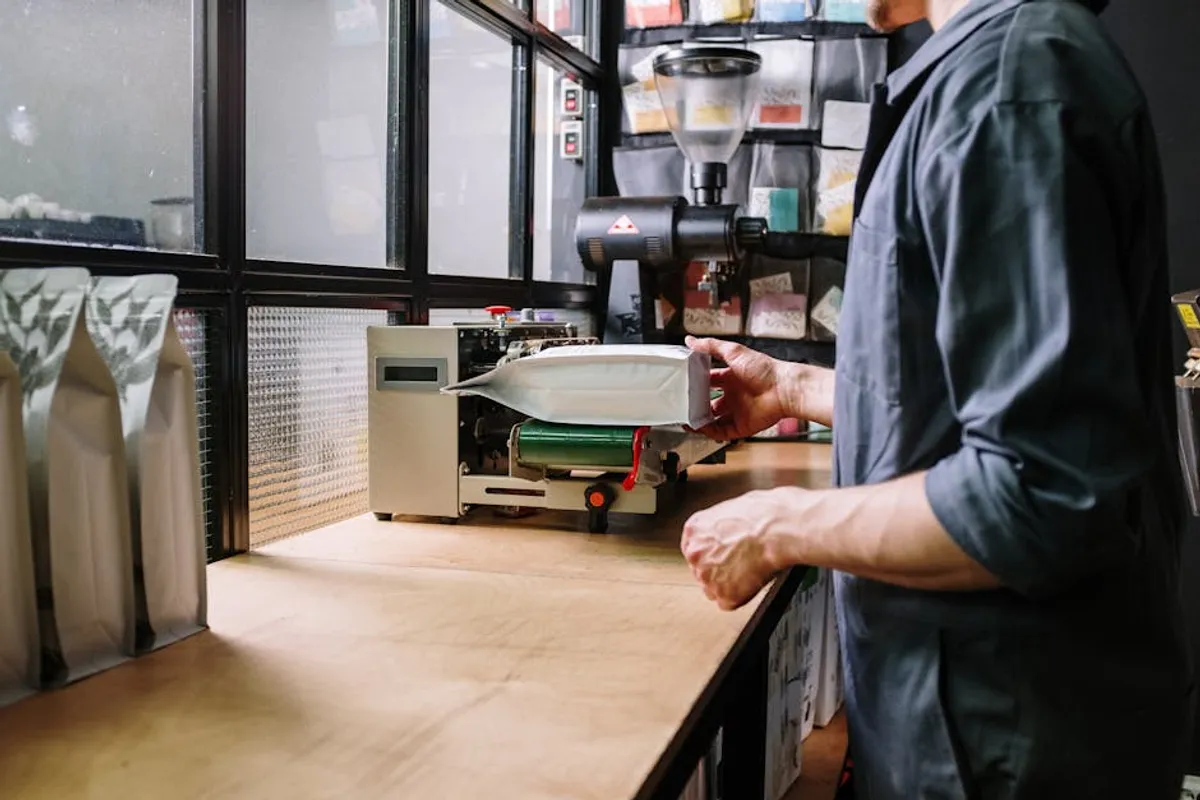
Small shops navigating the shift towards sustainability face a critical decision: how to implement compostable packaging without compromising product integrity, brand identity, or operational budget. The market for eco-friendly packaging has expanded, offering a range of materials and formats designed to break down naturally, reducing landfill waste and plastic pollution. However, not all "compostable" claims are equal, and the suitability of a solution depends heavily on your product type, shipping requirements, and customer disposal access. This guide evaluates various compostable packaging options, detailing their practical applications, material science, and commercial implications for small businesses aiming for genuine environmental responsibility. This guide evaluates various compostable packaging, exploring custom packaging options for small businesses that align with brand values and sustainability goals.
Key Considerations for Compostable Packaging
Before committing to a compostable packaging solution, evaluate several factors to ensure it aligns with both your business needs and environmental goals. Understanding these elements helps differentiate truly sustainable options from greenwashing and ensures your investment yields tangible benefits.
- Certification Standards: Look for third-party certifications like BPI (Biodegradable Products Institute) in North America, TUV Austria's OK Compost HOME or OK Compost INDUSTRIAL, or DIN CERTCO. These certifications verify that materials will fully break down under specific conditions, providing credibility to your sustainability claims. Without these, "compostable" can be a vague term.
- Material Composition: Common compostable materials include PLA (polylactic acid), PHA (polyhydroxyalkanoates), cellulose, mushroom-based composites, and various types of compostable paper and cardboard. Each has distinct properties regarding strength, moisture resistance, transparency, and shelf life. PLA, for instance, is often used for clear films and containers but requires industrial composting facilities, while some paper-based options can be home composted.
- Product Compatibility: The packaging must protect your product effectively. Consider factors like moisture barrier needs, structural rigidity, temperature resistance, and UV protection. A compostable mailer for apparel will differ significantly from packaging for baked goods or fragile ceramics.
- Customization and Branding: Small shops often rely on unique branding. Assess whether the compostable material can be easily printed with your logo and designs using eco-friendly inks. Custom molds or specific shapes might also be crucial for product presentation.
- Disposal Infrastructure: The effectiveness of compostable packaging hinges on proper disposal. Industrial composting facilities are not universally available, and home composting conditions vary. Clearly communicate disposal instructions to your customers, and consider if your chosen material is viable within their likely access to composting.
- Cost-Benefit Analysis: Compostable packaging often carries a higher per-unit cost than traditional plastics. Evaluate the long-term benefits, including enhanced brand reputation, customer loyalty, and potential regulatory compliance, against the initial investment. Focus on solutions that offer competitive pricing at your typical order volumes.
1. EcoEnclose
EcoEnclose offers a comprehensive range of eco-friendly packaging, with a strong emphasis on certified compostable options derived from plant-based materials. Their compostable mailers, made from a blend of PLA and PBAT, are designed to biodegrade in commercial composting facilities. They also provide compostable clear bags and protective sleeves, often utilizing materials like PLA that mimic the transparency and barrier properties of traditional plastics. The company focuses on providing detailed information about the end-of-life process for each product, crucial for small businesses to educate their customers.
Best for: E-commerce businesses requiring certified compostable shipping mailers, clear product bags, and protective sleeves for apparel, accessories, or non-food items.
Pros: Wide selection of certified compostable products; transparent material sourcing and disposal guidance; offers custom branding for mailers; caters to various order volumes with tiered pricing.
Cons: Many products require industrial composting, limiting disposal options for some customers; custom printing setup costs can be a barrier for very small initial orders; some clear bags may have a slightly shorter shelf life than petroleum-based alternatives.
Verdict: A reliable choice for small shops prioritizing certified compostability and clear communication about disposal, especially for shipping operations. Their range covers common e-commerce needs, though industrial composting requirements should be a key consideration for your customer base.
2. Noissue
Noissue specializes in custom-branded, eco-friendly packaging, making them particularly appealing for small shops focused on aesthetic and brand consistency. Their compostable mailers are made from a combination of PLA and PBAT, certified for industrial composting. They also offer compostable tissue paper and stickers, often made from FSC-certified paper and printed with soy-based inks, which can be home composted. Noissue emphasizes a circular economy approach, providing resources for businesses to communicate their sustainability efforts.
Best for: Small businesses prioritizing highly customizable, branded compostable packaging for a premium unboxing experience, particularly for fashion, beauty, and lifestyle products.
Pros: Strong focus on custom branding with low minimum order quantities; wide range of complementary compostable products (mailers, tissue, stickers); clear environmental certifications; user-friendly design interface.
Cons: Higher price point per unit compared to some non-customized alternatives; compostable mailers require industrial composting; some products like tissue paper are home compostable, creating mixed disposal instructions for a single order.
Verdict: Ideal for small shops that view packaging as an integral part of their brand story and are willing to invest in custom, certified compostable solutions. The blend of industrial and home compostable options requires careful customer education.
3. Elevate Packaging (Pactech)
Elevate Packaging, operating under the Pactech brand, provides a diverse portfolio of compostable packaging solutions, primarily focusing on flexible pouches and films. Their products are often made from high-barrier compostable films, suitable for food products like coffee, tea, and dry goods, as well as non-food items requiring protection from moisture and oxygen. They utilize materials like PLA, cellulose, and bio-based polymers certified for industrial composting. Their strength lies in technical expertise for barrier properties and custom pouch manufacturing.
Best for: Small food businesses (e.g., coffee roasters, tea shops, snack producers) or brands requiring flexible, high-barrier compostable pouches for product preservation and shelf stability.
Pros: Excellent barrier properties for extended product freshness; wide range of pouch formats (stand-up, flat bottom, side gusset); custom printing available; strong technical support for material selection.
Cons: Higher MOQs for custom pouches can be prohibitive for very small startups; industrial composting requirement; specialized barrier films can be more complex for consumers to understand regarding disposal.
Verdict: A strong contender for small food and beverage brands needing specialized, high-performance compostable flexible packaging. The technical sophistication ensures product integrity, but MOQs and disposal complexity should be weighed.
4. BioBag
BioBag specializes in compostable bags and films, primarily made from Mater-Bi, a bioplastic derived from corn starch, vegetable oils, and compostable polymers. Their product line includes compostable produce bags, shopping bags, and waste bags, all certified for industrial composting. While not primarily a custom branding solution for small products, their bulk bags offer a practical, certified compostable alternative to traditional plastic bags for retail checkout or bulk goods.
Best for: Grocery stores, farmers' markets, and retail shops needing certified compostable checkout bags, produce bags, or waste liners for their operations.
Pros: Widely recognized certifications (e.g., BPI, OK Compost INDUSTRIAL); strong performance for general-purpose bagging; available in various sizes and thicknesses; good alternative for single-use plastic bags.
Cons: Limited custom branding options for individual product packaging; primarily designed for utility rather than aesthetic product presentation; requires industrial composting facilities.
Verdict: A practical choice for small shops seeking to replace conventional plastic bags with certified compostable alternatives for retail operations. Its utility focus means it complements, rather than replaces, branded product packaging.
5. Paptic
Paptic offers a unique fiber-based material designed to combine the characteristics of paper with the performance of plastic. Their material, made from sustainably sourced wood fibers, is recyclable with paper and also certified home compostable and industrially compostable. It provides a soft, durable, and lightweight alternative for shopping bags, mailers, and flexible packaging. The material’s tactile feel and printability make it suitable for premium branding.
Best for: Retailers and e-commerce businesses looking for a versatile, durable, and tactile material for shopping bags, mailers, or product wraps that is both recyclable and compostable.
Pros: Unique material with a premium feel; certified for both home and industrial composting, offering wider disposal options; high print quality for branding; good tear resistance and durability.
Cons: Newer technology, potentially higher cost than established paper or bioplastic options; may require specific printing techniques for optimal results; limited range of formats compared to more established packaging types.
Verdict: An innovative option for small shops aiming to differentiate through a unique, high-performance material that offers broader end-of-life disposal routes. Its dual recyclability and compostability provide flexibility for consumers.
6. Better Packaging Co.
Better Packaging Co. provides a range of certified compostable packaging, most notably their 'ComPOST Packs' mailers. These mailers are made from a blend of corn starch, PLA, and PBAT, and are certified for home composting, which sets them apart from many industrial-only compostable options. They also offer compostable garment bags and clear product bags. Their emphasis is on making sustainable packaging accessible and easy to dispose of for the end consumer.
Best for: E-commerce businesses, particularly in fashion and soft goods, seeking home compostable mailers and clear product bags to simplify disposal for their customers.
Pros: Home compostable certification for mailers, offering a significant advantage for consumer disposal; custom branding available; clear communication about materials and disposal; strong focus on circularity.
Cons: Home composting performance can vary based on conditions; limited range of packaging types beyond mailers and clear bags; potentially higher unit cost for the home-compostable benefit.
Verdict: An excellent choice for small shops prioritizing ease of disposal for their customers through home compostable solutions. The focus on home composting addresses a major barrier for broader adoption of compostable packaging.
7. TIPA Corp
TIPA develops high-performance compostable films and laminates that aim to match the functionality of conventional plastics. Their materials are designed to be used by packaging manufacturers to create flexible packaging like stand-up pouches, flow wraps, and lidding films. TIPA's films are certified home or industrial compostable, depending on the specific product, and offer strong barrier properties suitable for food and other sensitive products. Small shops would source packaging made with TIPA films from their network of converters.
Best for: Small shops needing advanced flexible packaging (e.g., resealable pouches, barrier films) for food, snacks, or products requiring extended shelf life, sourced through a converter familiar with TIPA materials.
Pros: High-barrier performance comparable to conventional plastics; options for both home and industrial composting certifications; suitable for a wide range of product types; strong focus on material innovation.
Cons: Not a direct supplier to small shops; requires working with a packaging converter, which might increase complexity and MOQs; cost can be higher due to advanced material technology.
Verdict: For small shops with specific functional requirements for flexible packaging, TIPA’s materials offer a robust compostable solution, provided they can find a suitable converter. The material's performance justifies the potentially higher cost and indirect procurement.
8. Mushroom Packaging (Ecovative)
Ecovative's Mushroom Packaging utilizes mycelium, the root structure of mushrooms, grown on agricultural waste. This material creates custom-molded protective packaging inserts, trays, and blocks that are home compostable. It offers excellent cushioning and shock absorption, making it an ideal alternative to expanded polystyrene (EPS) foam for fragile items. The production process is low-energy and uses readily available waste streams.
Best for: Small shops selling fragile or high-value items (e.g., ceramics, electronics, cosmetics in glass) that require custom-fit, protective, and home compostable void fill or inserts.
Pros: Exceptional cushioning properties; certified home compostable; made from agricultural waste, highly sustainable; custom-moldable to fit specific products; unique, natural aesthetic.
Cons: Limited to protective inserts and rigid forms, not suitable for flexible packaging; custom molding can have higher initial setup costs and MOQs; material texture may not appeal to all brands.
Verdict: An innovative, truly home compostable solution for businesses needing robust protection for fragile goods. It provides a strong sustainable alternative to traditional foams, enhancing brand perception for eco-conscious customers.
9. GreenWrap (Ranpak)
Ranpak's GreenWrap is a paper-based cushioning material designed to replace bubble wrap. It consists of die-cut kraft paper with a tissue interleaf, which expands into a 3D honeycomb structure when stretched. This provides excellent cushioning and void fill for shipping. GreenWrap is made from FSC-certified paper, is curbside recyclable, and home compostable, offering a versatile and widely accepted end-of-life solution.
Best for: Any small shop shipping fragile items that needs a sustainable, aesthetically pleasing, and easy-to-dispose-of alternative to plastic bubble wrap for cushioning and void fill.
Pros: 100% paper-based, widely recyclable and home compostable; excellent cushioning performance; attractive, natural aesthetic; easy to dispense and use; reduces plastic waste in shipping.
Cons: May require a dispenser for efficient use, an initial investment; not suitable for items requiring moisture protection; can be more expensive than traditional bubble wrap per volume of void fill.
Verdict: A highly effective and genuinely compostable solution for protective packaging. Its dual recyclability and home compostability make it a consumer-friendly choice, aligning well with broad sustainability goals for shipped goods.
10. Pulp & Plant
Pulp & Plant specializes in molded fiber packaging, often made from recycled paper, cardboard, or bamboo pulp. This material is formed into custom shapes, offering rigid protection and unique presentation for products ranging from electronics to cosmetics. Molded fiber is typically home compostable and widely recyclable, providing a robust and eco-friendly alternative to plastic trays or foam inserts. They focus on custom design and engineering for specific product fits.
Best for: Small shops needing custom-fit, rigid inserts, trays, or clamshells for product presentation and protection, particularly for electronics, beauty products, or gourmet food items.
Pros: Highly protective and rigid; custom-moldable for precise product fit; made from recycled and renewable resources; home compostable and recyclable; premium, natural aesthetic.
Cons: Custom tooling costs and higher MOQs for bespoke designs; not suitable for products requiring transparent packaging or strong moisture barriers; can be bulky for storage before use.
Verdict: An excellent option for small shops looking for a sophisticated, protective, and fully compostable alternative to plastic for internal product packaging. The customizability allows for strong brand integration and a high-end unboxing experience.
11. Biopak
Biopak offers a comprehensive range of compostable food service packaging, including cups, containers, lids, and cutlery. Their products are made from various plant-based materials like PLA, CPLA (crystallized PLA), and FSC-certified paper with PLA linings, all certified for industrial composting. While primarily aimed at cafes and restaurants, their smaller volume options can be suitable for small food businesses or event caterers.
Best for: Small cafes, food trucks, caterers, or delis requiring certified compostable disposable food service items for beverages, hot meals, and cold foods.
Pros: Extensive product range for food service; strong certifications for industrial composting; good performance for hot and cold applications; clear labeling for disposal instructions.
Cons: Requires industrial composting facilities for most products; custom branding can be more limited or have higher MOQs for smaller items; CPLA can be brittle in very cold conditions.
Verdict: A reliable, high-volume provider for small food service operations committed to compostable disposables. The breadth of their offerings simplifies procurement, but the industrial composting requirement is a significant factor for customer education.
12. Econic Packaging
Econic Packaging specializes in compostable flexible packaging films, particularly for coffee, tea, and dry food products. Their films are typically made from a blend of compostable materials, offering high-barrier properties to preserve freshness. They focus on providing certified compostable rollstock and pre-made pouches that can be sealed on standard packaging equipment. Their solutions are often certified for industrial composting, with some options exploring home compostability.
Best for: Small-scale food manufacturers, coffee roasters, or specialty tea brands seeking high-barrier, compostable flexible packaging films for product freshness and shelf life.
Pros: Excellent barrier properties for oxygen and moisture, crucial for food preservation; compatible with existing packaging machinery; custom printing available; strong focus on technical performance.
Cons: Primarily industrial compostable; often requires higher MOQs for custom film orders; working with rollstock requires access to packaging equipment, which small shops may not have in-house.
Verdict: A strong technical solution for small food brands needing advanced barrier protection in compostable flexible packaging. It's best suited for those with established production processes or who partner with co-packers using compatible machinery.
Selecting the Right Compostable Packaging Partner
Choosing the ideal compostable packaging solution involves more than just material selection; it requires evaluating the entire supply chain and end-of-life process. Begin by clearly defining your product's specific protection needs (moisture, impact, shelf life) and your brand's aesthetic goals. Then, scrutinize supplier certifications: BPI, TUV Austria, and similar bodies provide independent verification, preventing greenwashing. Consider the minimum order quantities (MOQs) and custom branding capabilities, as these directly impact cost and brand consistency for small shops. Finally, assess the disposal infrastructure available to your customers. A home compostable solution offers the broadest accessibility, while industrial compostable options rely on the availability of commercial facilities. Transparent communication with your customers about how to properly dispose of the packaging is paramount to realizing its environmental benefits.
Frequently Asked Questions
What is the difference between biodegradable and compostable?
Biodegradable means a material will break down naturally, but it doesn't specify a timeframe or leave-behind residue. Compostable materials, however, are certified to break down into non-toxic components within a specific timeframe (e.g., 90-180 days) under specific conditions (home or industrial composting), leaving behind nutrient-rich compost.
Do compostable plastics really break down?
Yes, certified compostable plastics (like PLA or PHA blends) are designed to break down. However, "industrial compostable" means they require specific conditions found in commercial composting facilities (high heat, specific moisture, microbial activity) to fully decompose. "Home compostable" materials are designed to break down in a typical backyard compost pile, though conditions can vary.
How should small shops communicate packaging disposal to customers?
Clear, concise instructions are essential. Include labels directly on the packaging, or provide an insert or QR code linking to a dedicated page on your website. Specify whether the item is home or industrial compostable, and if industrial, suggest resources like findacomposter.com (or a similar regional directory) for local facilities. Emphasize that compostable packaging should not be placed in recycling bins unless specifically advised by local recycling programs.
What is the typical shelf life of compostable packaging?
The shelf life varies significantly by material. Many compostable films and bags are designed to be stable for 6-12 months under normal storage conditions (cool, dry place, away from direct sunlight). This ensures they remain functional until used, but it's important to check specific manufacturer guidelines for each product. Heat and humidity can accelerate degradation.
Are compostable packaging options more expensive than traditional plastics?
Generally, yes. Compostable materials often involve more complex manufacturing processes or use specialized bio-based polymers, leading to higher material and production costs. However, prices are becoming more competitive as demand increases and technology advances. The added cost can often be justified by improved brand perception, customer loyalty, and meeting sustainability goals.
Start the conversation
Thoughtful disagreement welcomed. Promotional links quietly removed.