
For small shop owners, the retail bag is more than a mere container; it's a direct extension of the brand experience. It's the final physical touchpoint a customer has with your business before leaving, influencing perceptions of quality, value, and attention to detail. Selecting the right bag involves balancing aesthetic appeal with practical considerations like durability, cost-efficiency, and environmental impact. A thoughtfully chosen bag reinforces brand identity, provides an opportunity for subtle marketing, and contributes to the overall customer journey, transforming a simple transaction into a memorable interaction. The decision impacts not only operational costs but also how customers perceive your commitment to their experience and, increasingly, to sustainable practices.
How to Choose Retail Bags for Small Shops
Selecting the optimal retail bags for a small shop requires a structured approach, considering several critical factors beyond just cost. Each decision point influences brand perception, operational efficiency, and customer satisfaction.
- Brand Identity Alignment: The bag should visually and tactilely represent your brand's aesthetic and values. A luxury boutique might opt for rigid, matte-laminated bags, while an artisanal market could favor natural jute or recycled kraft paper. The bag's design, material, and finish must resonate with your shop's unique character.
- Budgetary Constraints: Bag costs vary significantly by material, customization, and quantity. Small shops often operate with tighter margins, necessitating a clear budget. Evaluate the cost per bag against its perceived value and branding potential. Bulk purchasing typically reduces unit costs, but requires storage space and capital outlay.
- Sustainability Goals: Customer demand for eco-friendly options is rising. Consider bags made from recycled content, biodegradable materials, or those designed for multiple reuses. Transparently communicating your sustainable choices can enhance brand loyalty and appeal to environmentally conscious consumers.
- Product Type and Size: The items you sell dictate the bag's functional requirements. Heavy or bulky products need sturdy, gusseted bags with reinforced handles. Delicate items benefit from softer materials or additional internal padding. Small accessories might require simple flat bags or drawstring pouches.
- Customer Experience: A comfortable, easy-to-carry bag improves the customer's journey from your shop to their destination. Consider handle types (rope, paper twist, die-cut) and bag structure. A premium bag can elevate the unboxing experience, especially for gift purchases.
- Durability and Reusability: Bags that withstand multiple uses can serve as walking advertisements. Materials like canvas or non-woven polypropylene offer superior durability, encouraging customers to reuse them for groceries, gym, or everyday errands, extending your brand's visibility.
1. Standard Kraft Paper Bags
Standard kraft paper bags are the ubiquitous workhorse of retail packaging, recognized for their natural, understated aesthetic and practical utility. Typically made from virgin or recycled wood pulp, these bags offer a balance of strength and affordability. They are available in various weights and finishes, from smooth, machine-glazed surfaces to coarser, unbleached textures. Customization options are broad, allowing for simple logo printing to full-color designs, making them adaptable to diverse brand identities without significant cost overhead. These standard kraft paper bags offer a reliable and budget-friendly packaging solution for many small businesses.
Best for: Everyday retail, general merchandise, food service, and brands prioritizing a natural, accessible, or rustic image. Ideal for businesses needing a cost-effective, versatile packaging solution.
Pros:
- Cost-Effective: Generally one of the most economical bag options, especially for bulk orders, making them suitable for small businesses with tight budgets.
- Versatile Customization: Easily printed with logos, brand colors, and marketing messages using various printing techniques, from simple one-color to more complex designs.
- Recyclable and Biodegradable: Made from renewable resources and can be recycled or composted, aligning with basic environmental considerations.
- Wide Availability: Readily available from numerous suppliers in various sizes and handle configurations (flat handle, twisted handle).
Cons:
- Limited Durability: Can be prone to tearing or damage when exposed to moisture or carrying very heavy/sharp items. Not ideal for repeated use.
- Perceived Value: May not convey a premium or luxurious image without significant design enhancements or higher-quality finishes.
- Handle Options: Paper twist handles, while common, can be less comfortable for prolonged carrying compared to rope or fabric handles.
Verdict: A foundational choice for most small shops, offering a reliable, budget-friendly, and customizable option that meets basic packaging needs. Its versatility makes it a safe starting point, with potential for enhancement through thoughtful design.
2. Recycled Content Paper Bags
Recycled content paper bags are an environmentally conscious alternative to standard kraft, manufactured using a significant percentage of post-consumer or post-industrial waste. These bags typically feature a slightly coarser texture and a muted color palette, often gray or natural brown, which inherently communicates their sustainable origins. Their production reduces demand for virgin timber and conserves energy compared to bags made entirely from new pulp. They maintain similar structural integrity to standard kraft bags, depending on the paper weight and fiber quality.
Best for: Eco-friendly boutiques, organic markets, sustainable lifestyle brands, and businesses aiming to visibly demonstrate their commitment to environmental responsibility.
Pros:
- Strong Environmental Statement: Directly supports recycling initiatives and appeals to environmentally conscious consumers, enhancing brand reputation.
- Authentic Aesthetic: The natural, often slightly mottled appearance lends an authentic, earthy feel that resonates with sustainable brand values.
- Recyclable and Biodegradable: Like virgin kraft, these bags are fully recyclable and biodegradable, completing the circular economy loop.
- Cost-Effective Sustainability: Offers a more sustainable option without a prohibitive cost increase compared to virgin paper bags.
Cons:
- Limited Brightness/Color: The recycled content can restrict the vibrancy of printed colors and the brightness of the base material, potentially clashing with certain brand aesthetics.
- Texture Variation: The texture can be less uniform than virgin paper, which might be perceived as less "polished" by some.
- Slightly Reduced Strength: Depending on the percentage and quality of recycled fibers, some recycled bags might exhibit marginally less tensile strength than virgin paper equivalents.
Verdict: An excellent choice for small shops prioritizing sustainability and wanting their packaging to reflect those values explicitly. The inherent aesthetic supports an eco-conscious brand narrative, making it a powerful statement piece despite minor aesthetic and strength trade-offs.
3. Luxury Paper Bags with Rope Handles
Luxury paper bags with rope handles represent a significant step up in perceived value and tactile experience. These bags are typically constructed from heavier-weight paper, often laminated (matte or gloss) for added durability, water resistance, and a refined finish. The distinguishing feature is the soft, often braided, rope handles, which are usually knotted or secured internally, providing a comfortable grip and an elegant presentation. These bags are designed to create a premium unboxing experience and serve as a subtle indicator of high-quality merchandise within.
Best for: High-end boutiques, jewelry stores, gift shops, cosmetic brands, and any small business selling premium or luxury goods where presentation is paramount.
Pros:
- Elevated Brand Perception: Instantly communicates luxury and attention to detail, enhancing the perceived value of the products inside.
- Enhanced Durability: Heavier paper stock and lamination provide superior strength and resistance to wear and tear, protecting contents effectively.
- Comfortable Carrying: Soft rope handles are comfortable to hold, especially for heavier items, and add to the overall premium feel.
- Sophisticated Customization: Supports advanced printing techniques like foil stamping, embossing, spot UV, and intricate color matching for a truly bespoke look.
Cons:
- Higher Cost: Significantly more expensive per unit than standard paper bags due to material quality, lamination, and specialized handle attachment.
- Environmental Impact: Lamination can make these bags difficult or impossible to recycle in many facilities, diminishing their eco-friendly credentials unless specific biodegradable laminates are used.
- Bulk Storage: Often less compressible than standard paper bags, potentially requiring more storage space.
Verdict: An indispensable choice for brands where the packaging is an integral part of the product's value proposition. While a higher investment, the enhanced customer experience and brand reinforcement justify the cost for luxury-oriented small shops.
4. Reusable Non-Woven Polypropylene Bags
Reusable non-woven polypropylene (NWPP) bags are fabricated from spun-bonded polypropylene fibers, creating a durable, fabric-like material that is lightweight yet strong. These bags are designed for multiple uses, often featuring reinforced handles and sturdy construction. They are a popular choice for grocery stores and general merchandise shops due to their resilience and ability to carry heavier loads than paper. NWPP bags offer a large surface area for branding, effectively transforming them into mobile advertisements for your shop long after the initial purchase.
Best for: Shops encouraging repeat visits, grocery stores, promotional giveaways, general merchandise retailers, and businesses prioritizing durability and extended brand exposure.
Pros:
- Exceptional Durability and Reusability: Withstands numerous uses, making it a practical choice for customers and a long-term branding tool for the shop.
- Water-Resistant: The material naturally repels water, offering better protection for contents in adverse weather conditions.
- Cost-Effective Per Use: While the initial unit cost is higher than paper, the extended lifespan makes the cost per use very low.
- Strong Branding Opportunity: Large, smooth surface ideal for vibrant, multi-color printing, ensuring high brand visibility.
Cons:
- Plastic-Based Material: Made from petroleum-derived plastic, which raises environmental concerns regarding end-of-life disposal and microplastic pollution, despite being reusable.
- Limited Recyclability: While technically recyclable, NWPP is not widely accepted in curbside recycling programs, often requiring specialized facilities.
- Perceived Value: Can sometimes be perceived as a more utilitarian or promotional item rather than a premium packaging choice.
Verdict: A pragmatic choice for small shops focused on durability, reusability, and maximizing brand exposure through extended use. The environmental trade-offs must be weighed against the practical benefits and customer demand for reusable options.
5. Cotton Canvas Tote Bags
Cotton canvas tote bags offer a premium, natural, and highly reusable packaging solution. Made from woven cotton fabric, these bags are exceptionally strong, soft to the touch, and develop a unique character with use. Their sturdy construction and comfortable handles make them ideal for carrying a wide range of items, from books and groceries to apparel. Canvas totes are often seen as a fashion accessory or a practical everyday bag, giving them significant brand visibility beyond the initial purchase. They support various printing methods, including screen printing and embroidery, allowing for high-quality, durable branding.
Best for: Bookstores, apparel boutiques, artisanal craft shops, health food stores, and brands aiming for a high-quality, eco-conscious, and long-lasting promotional item.
Pros:
- Premium and Natural Aesthetic: Conveys a high-quality, natural, and often artisanal image, aligning with sophisticated or eco-conscious brands.
- Exceptional Durability and Reusability: Designed for years of use, making them an excellent investment for both customer and brand.
- Strong Brand Ambassador: Customers frequently reuse canvas totes, providing continuous, high-visibility marketing for your shop.
- Eco-Friendly Perception: Made from a natural, renewable fiber (cotton), appealing to environmentally aware consumers. Organic cotton options further enhance this.
Cons:
- Highest Unit Cost: Significantly more expensive than most other bag options, requiring a higher initial investment.
- Environmental Footprint of Cotton: Conventional cotton cultivation can be water-intensive and pesticide-heavy, although organic and recycled cotton options mitigate this.
- Bulk and Storage: Can be bulky to store compared to paper or thin NWPP bags, especially in large quantities.
Verdict: A strategic investment for small shops aiming to elevate their brand, offer a truly valuable reusable item, and cultivate a loyal customer base. The high unit cost is offset by unparalleled brand exposure and customer appreciation for a durable, stylish, and functional bag.
6. Cotton Drawstring Pouches
Cotton drawstring pouches are small, soft bags typically made from lightweight cotton fabric, often unbleached or natural in color. They feature a simple drawstring closure, providing a secure yet easily accessible way to hold contents. These pouches excel at presenting small, delicate, or high-value items with an added layer of care and sophistication. Their soft texture and natural material evoke a sense of craftsmanship and attention to detail, making them ideal for enhancing the unboxing experience of particular products.
Best for: Jewelry stores, cosmetic samples, small artisanal goods, stationery shops, gift packaging for small items, and brands focusing on delicate or premium small products.
Pros:
- Premium Presentation for Small Items: Elevates the perceived value of small products, making them feel more special and protected.
- Soft and Protective: The cotton material offers a gentle enclosure, preventing scratches or damage to delicate items.
- Reusable: Customers often reuse these pouches for organizing small items, extending brand exposure.
- Natural and Tactile Feel: The fabric texture provides a pleasant sensory experience, reinforcing a natural or artisanal brand image.
Cons:
- Limited Capacity: Only suitable for very small, non-bulky items, making them impractical as a primary shopping bag.
- Higher Unit Cost (for size): Can be relatively expensive per unit compared to the volume of product they hold.
- Printing Limitations: While customizable, intricate designs might be challenging on a small, soft fabric surface compared to paper.
Verdict: An excellent supplementary packaging option for small shops selling specific small, valuable, or delicate items. They enhance the customer experience for niche products, adding a touch of luxury and care that justifies their cost and limited capacity.
7. Jute or Burlap Bags
Jute and burlap bags (burlap is typically made from jute fibers) are distinguished by their coarse, rustic texture and natural, earthy appearance. Jute is a strong, natural vegetable fiber, making these bags exceptionally durable and biodegradable. They often feature a distinct weave pattern that adds to their artisanal charm. While less refined than cotton or luxury paper, their rugged aesthetic is a powerful statement for brands emphasizing natural, organic, or handcrafted values. They are excellent for carrying bulkier or heavier items due to their inherent strength.
Best for: Farmers' markets, organic food stores, artisanal craft shops, garden centers, and brands with a strong focus on natural, rustic, or sustainable products.
Pros:
- Highly Sustainable: Jute is a rapidly renewable, biodegradable, and compostable fiber, making these bags an environmentally superior choice.
- Distinct Rustic Aesthetic: The unique texture and natural color provide a strong, authentic visual identity for brands with an organic or handcrafted focus.
- Exceptional Strength: Jute fibers are very strong, allowing these bags to carry heavy loads without tearing.
- Long-Lasting and Reusable: Designed for repeated use, serving as a durable, eco-friendly shopping companion for customers.
Cons:
- Rough Texture: The coarse material might not be suitable for delicate items and can sometimes shed fibers.
- Limited Print Detail: The uneven surface and natural color can make intricate or vibrant printing challenging; simple, bold designs work best.
- Higher Unit Cost: Generally more expensive than basic paper bags, though often less than canvas.
- Odor: New jute bags can sometimes have a natural, earthy odor that dissipates over time but might be noticeable initially.
Verdict: A robust and highly sustainable choice for small shops whose brand identity strongly aligns with natural, organic, or artisanal values. Their durability and distinctive aesthetic make them a powerful, long-term branding tool despite their texture and printing limitations.
8. Biodegradable/Compostable Bags
Biodegradable and compostable bags are designed to break down naturally in specific environments, reducing their long-term impact on landfills. These bags are typically made from plant-based polymers (like PLA from corn starch) or other organic materials. They offer an advanced solution for shops committed to a zero-waste or highly sustainable model. While they visually resemble traditional plastic bags in some forms, their material composition is fundamentally different, requiring specific disposal methods for proper degradation.
Best for: Specialty food shops, organic produce markets, eco-conscious retailers, and businesses aiming for the highest level of environmental responsibility in their packaging.
Pros:
- Maximum Environmental Benefit: Designed to return to nature, significantly reducing landfill waste and plastic pollution when composted correctly.
- Strong Green Marketing Point: Appeals directly to the most environmentally discerning customers, enhancing brand reputation and loyalty.
- Often Lightweight: Can offer a lightweight alternative for carrying goods, similar to thin plastic bags, but with a better ecological profile.
Cons:
- Higher Cost: Generally the most expensive option among single-use bags due to specialized materials and manufacturing processes.
- Specific Disposal Requirements: Many require industrial composting facilities to break down effectively, which are not universally available. Home composting conditions may vary.
- Durability Limitations: Can sometimes be less robust than traditional plastic or paper bags, especially when wet or under heavy stress, due to their designed degradation properties.
- Shelf Life: May have a shorter shelf life than conventional bags, potentially degrading before use if stored improperly.
Verdict: A cutting-edge solution for small shops that have fully committed to a sustainable business model and can educate customers on proper disposal. The high cost and specific disposal needs are significant considerations, but the environmental leadership can be a powerful differentiator.
9. Paper Merchandise Bags (Flat Bags)
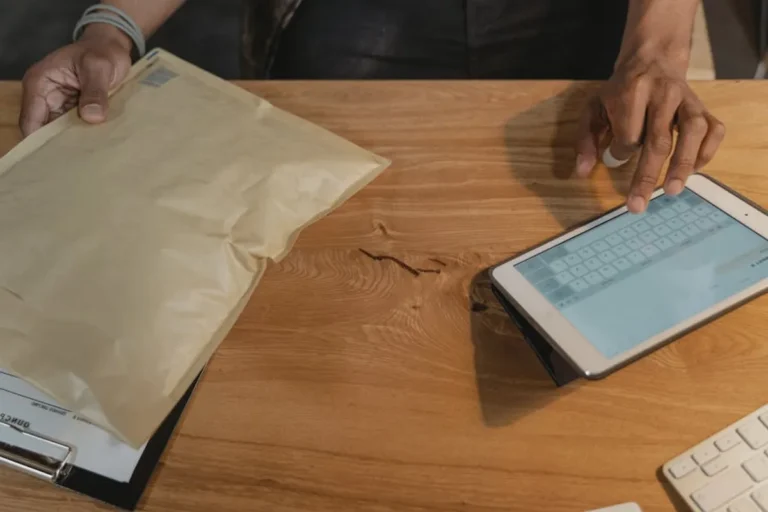
Paper merchandise bags, often referred to as flat bags or notion bags, are simple, un-gusseted paper envelopes without handles. They are typically thin, lightweight, and come in various sizes, often with a simple fold-over top. These bags are designed for small, flat, or lightweight items that don't require much protection or a handle for carrying. They are one of the most basic and economical packaging options, serving a functional role for quick transactions and minimal product presentation.
Best for: Small, non


Start the conversation
Thoughtful disagreement welcomed. Promotional links quietly removed.