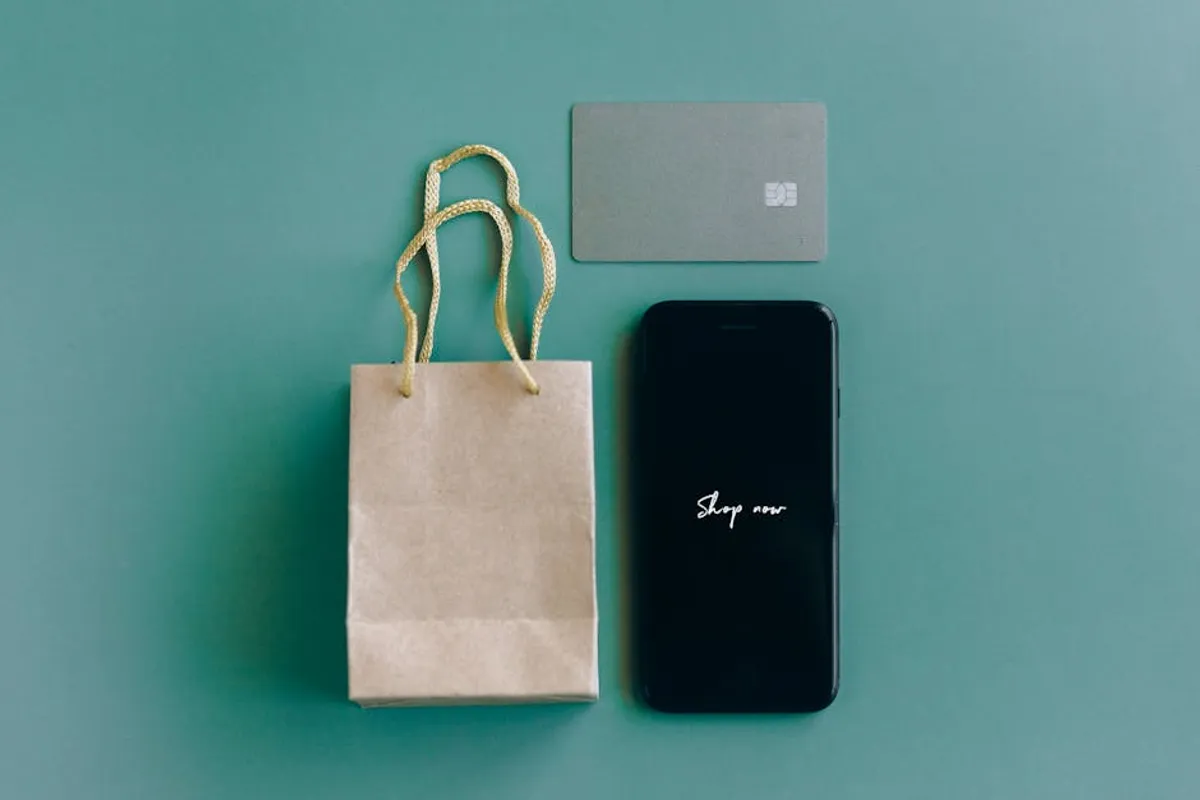
For small shop owners, the selection of paper bags extends beyond a mere functional necessity; it represents a tangible touchpoint for brand identity, customer experience, and sustainability commitments. The right paper bag reinforces a shop's value proposition, offering a final impression that can elevate a purchase from a transaction to a memorable interaction. Deciding among the myriad of options requires a strategic approach, balancing aesthetic appeal, durability, cost-effectiveness, and environmental impact. This choice directly influences how customers perceive the brand post-purchase, acting as a silent ambassador for the shop long after they've left the premises. Understanding the distinct characteristics and applications of various paper bag ideas is crucial for making an informed decision that aligns with both operational needs and marketing objectives. Exploring various custom packaging ideas can help elevate your brand's presence and customer interaction.
Key Considerations When Selecting Paper Bag Ideas
Before committing to a specific paper bag style, small shop owners should evaluate several practical and strategic factors. These considerations ensure the chosen bag not only serves its primary purpose but also enhances the overall brand experience and operational efficiency.
- Budget Constraints: Determine the maximum cost per bag, including customization and shipping. This will narrow down material, handle, and printing options.
- Brand Identity & Aesthetics: The bag should visually align with the shop's branding, colors, and overall aesthetic. Consider how the bag reinforces the brand message.
- Product Type & Weight: The bag's strength and size must accommodate the typical products sold. Heavy or irregularly shaped items require more robust materials and handle types.
- Sustainability Goals: Assess the environmental impact of materials (recycled content, virgin paper), inks, and manufacturing processes. Communicate these efforts to customers.
- Customer Experience: Consider the tactile feel, ease of carrying, and reusability. A pleasant and practical bag encourages repeat use and positive brand association.
- Storage & Logistics: Evaluate the physical space required for storing bags and the ease of handling them at the point of sale. Flat-packed options often save space.
- Customization Potential: Determine the level of branding desired – simple logo, intricate design, or interactive elements like QR codes. This impacts printing method and cost.
1. Custom Stamped Kraft Paper Bags
Custom stamped kraft paper bags offer an accessible entry point into branded packaging for small shops. Utilizing a pre-made kraft bag and applying a custom stamp allows for personalization without the higher minimum order quantities or setup costs associated with full-scale printing. This method provides a rustic, artisanal aesthetic that resonates with independent businesses and craft-oriented brands. The inherent simplicity of kraft paper, combined with a bespoke stamp, communicates authenticity and attention to detail, making each bag feel unique.
Best For: Boutiques, artisan food shops, craft stores, pop-up shops, and businesses with evolving branding or limited budgets seeking a handmade feel.
Pros:
- Low initial investment and setup costs compared to custom printing.
- Flexibility to change designs or messaging with new stamps.
- Quick turnaround times for production and customization.
- Natural, eco-friendly appearance of kraft paper appeals to conscious consumers.
- Allows for small batch customization, ideal for seasonal themes or special events.
Cons:
- Stamping quality can vary, requiring careful application.
- Limited to one-color designs, typically black or dark ink.
- Durability of the stamped image may be less than professional printing.
- Labor-intensive if stamping a high volume of bags in-house.
Verdict: An excellent, cost-effective solution for small shops prioritizing brand presence and a handcrafted aesthetic. It provides branding flexibility and a lower barrier to entry for custom packaging.
2. Recycled Content Paper Bags
Recycled content paper bags are manufactured using post-consumer waste, reducing demand for virgin timber and minimizing landfill contributions. These bags often feature a slightly coarser texture and a natural, unbleached appearance, which has become synonymous with environmental responsibility. Offering these bags signals a shop's commitment to sustainability, a critical factor for a growing segment of consumers. They are available in various percentages of recycled content, allowing shops to align with their specific eco-conscious objectives. Choosing recycled content paper bags directly communicates a shop's dedication to environmental stewardship.
Best For: Eco-friendly retailers, organic food stores, sustainable fashion brands, and businesses aiming to prominently feature their environmental stewardship.
Pros:
- Strong positive brand association with environmental responsibility.
- Appeals to environmentally conscious consumer segments.
- Reduces ecological footprint through resource conservation.
- Often biodegradable and compostable, depending on coatings/inks.
- Available in various strengths and finishes to suit different product needs.
Cons:
- May have a slightly higher unit cost than virgin paper bags.
- Color consistency can vary slightly due to recycled pulp.
- Limited options for bright, vibrant printing if not bleached.
- Perceived strength might be questioned by some consumers, though modern recycled bags are durable.
Verdict: A strategic choice for shops where sustainability is a core brand value. While potentially incurring a marginal cost increase, the brand reputation benefits often outweigh this, attracting a loyal customer base.
3. Twisted Handle Paper Bags
Twisted handle paper bags are a ubiquitous and versatile option, characterized by handles made from twisted paper cords securely attached to the bag's interior. This design offers a comfortable grip and superior strength compared to flat paper handles, making them suitable for a wider range of products, including heavier items. They present a clean, classic aesthetic that can be easily customized with printing, providing a professional and polished look for any retail environment. Their widespread availability and cost-effectiveness contribute to their popularity.
Best For: Clothing boutiques, gift shops, bookstores, general merchandise stores, and businesses needing a reliable, all-purpose bag.
Pros:
- Excellent strength and durability for carrying various items.
- Comfortable to carry, enhancing the customer experience.
- Classic and professional appearance, easily branded.
- Widely available in a range of sizes, colors, and paper finishes.
- More resistant to tearing at the handle attachment point than flat handles.
Cons:
- Can be slightly more expensive than flat handle or no-handle bags.
- Handles are not always made from recycled content, depending on the supplier.
- May take up slightly more storage space than bags with flat or no handles.
- Less suitable for very heavy or bulky items where rope handles might be preferred.
Verdict: A dependable and aesthetically pleasing choice that balances cost, durability, and brand presentation. It's a safe and effective option for most small retail operations.
4. Flat Handle Paper Bags
Flat handle paper bags feature handles made from a flat strip of paper, typically glued or taped to the inside of the bag. This design prioritizes economy and ease of storage, as the handles lie flush against the bag, allowing for efficient stacking and packing. While generally less robust than twisted handles, they are perfectly adequate for lighter merchandise and offer a streamlined look. Their cost-effectiveness makes them an attractive option for high-volume use or for shops seeking to minimize packaging expenses without sacrificing basic functionality.
Best For: Bakeries, takeaways, pharmacies, convenience stores, and businesses with lightweight products or high transaction volumes.
Pros:
- Highly economical, reducing per-unit packaging costs.
- Efficient for storage due to their flat-folding design.
- Quick and easy for staff to open and load at checkout.
- Suitable for automated packing lines, if applicable.
- Offers a clean surface for branding and promotional messages.
Cons:
- Less comfortable to carry, especially with heavier loads.
- Lower weight capacity compared to twisted or rope handles.
- Handles can sometimes detach or tear more easily under stress.
- May convey a less premium image than other handle types.
Verdict: An optimal choice for shops where cost efficiency and high-volume utility are paramount. It offers functional packaging without unnecessary expense, provided product weight is manageable.
5. Luxury Matte Laminated Paper Bags
Luxury matte laminated paper bags are crafted from high-quality paper stock, finished with a matte lamination that provides a sophisticated, non-reflective surface. This lamination adds a tactile softness and enhances durability, protecting the bag from minor abrasions and moisture. Often paired with rope handles (cotton, satin, or polypropylene), these bags exude a premium feel, elevating the perceived value of the contents. The matte finish is ideal for showcasing subtle branding and rich color palettes, making it a staple for high-end retail.
Best For: Jewelry stores, luxury fashion brands, high-end gift shops, beauty salons, and businesses aiming for an exclusive, upscale brand image.
Pros:
- Conveys a strong sense of luxury and exclusivity.
- Matte finish provides a sophisticated, non-glare aesthetic.
- Increased durability and resistance to wear and tear.
- Soft, pleasant tactile feel enhances the unboxing experience.
- Excellent surface for high-quality printing and special finishes like spot UV or embossing.
Cons:
- Significantly higher unit cost due to materials and production processes.
- Lamination makes the bags less easily recyclable or compostable.
- Longer lead times for custom production and higher minimum order quantities.
- Can show fingerprints or smudges more prominently than gloss finishes.
Verdict: A powerful branding tool for luxury segments, justifying the higher cost through enhanced customer perception and brand prestige. It's an investment in the overall brand experience.
6. Gloss Laminated Paper Bags
Gloss laminated paper bags feature a high-shine, reflective lamination that makes colors pop and designs stand out. This finish not only provides a vibrant aesthetic but also adds a protective layer, making the bags more resistant to moisture, tears, and general wear. The glossy surface is eye-catching and conveys a modern, polished image, often associated with promotional events or fashion-forward brands. Like matte laminated bags, they are typically constructed from heavier paper stock and often include rope handles for a complete premium feel.
Best For: Fashion retailers, beauty brands, promotional events, electronics stores, and businesses seeking a vibrant, impactful visual presence.
Pros:
- Striking visual appeal with vibrant colors and sharp graphics.
- Enhanced durability and resistance to moisture and scuffs.
- Projects a modern, high-quality, and professional image.
- Easy to wipe clean, maintaining a pristine appearance.
- Excellent for displaying intricate logos and photographic prints.
Cons:
- Higher cost compared to non-laminated or standard paper bags.
- Lamination can make recycling more complex.
- Reflective surface can sometimes make text less legible under certain lighting.
- May appear less "natural" or "eco-friendly" than matte or kraft options.
Verdict: An effective choice for brands that want to make a bold visual statement and protect their packaging. The glossy finish commands attention and communicates a commitment to quality and presentation.
7. Die-Cut Handle Paper Bags
Die-cut handle paper bags feature a handle integrated directly into the bag's structure, typically a crescent or oval shape cut from the top portion of the bag. This design eliminates external handles, resulting in a sleek, minimalist aesthetic. It offers a clean canvas for branding and is particularly favored by modern and minimalist brands. While generally less comfortable for carrying heavy items than rope or twisted handles, their integrated design makes them compact for storage and presents a seamless, contemporary look.
Best For: Contemporary fashion brands, art galleries, design studios, minimalist retailers, and businesses prioritizing sleek aesthetics and compact storage.
Pros:
- Sleek, modern, and minimalist appearance.
- No external handles to snag or get tangled.
- Efficient for storage and shipping due to compact design.
- Offers a large, uninterrupted surface area for branding.
- Often more cost-effective than bags with attached handles for custom runs.
Cons:
- Less comfortable to carry, especially with heavier or sharp-edged items.
- Lower weight capacity compared to bags with reinforced handles.
- The cut-out can weaken the bag's top edge if not properly reinforced.
- May not be suitable for all product types due to handle size and comfort.
Verdict: An ideal solution for brands that prioritize modern design and a clean aesthetic. It's a functional choice for lighter goods where style is a key differentiator.
8. Window Paper Bags
Window paper bags incorporate a transparent panel, typically made from cellophane or a similar clear film, allowing customers to view the product inside without opening the bag. This feature is particularly valuable for food items, baked goods, and small, visually appealing merchandise where presentation and product visibility are crucial. The window serves as an immediate visual confirmation of the product's quality and freshness, enhancing customer trust and encouraging impulse purchases. They combine the natural appeal of paper with the practical benefit of visibility.
Best For: Bakeries, coffee shops, gourmet food stores, confectioneries, small gift items, and businesses where product visibility is a key selling point.
Pros:
- Showcases products directly, enticing customers.
- Enhances product freshness perception for food items.
- Reduces the need for customers to open bags before purchase.
- Provides an attractive and professional presentation for goods.
- Combines the eco-friendly perception of paper with practical visibility.
Cons:
- The plastic window component can complicate recycling efforts.
- May be less durable than fully paper bags if the window material is thin.
- Limited to products that benefit from visual display; not suitable for all items.
- Higher unit cost due to the additional material and manufacturing step.
Verdict: A highly effective packaging solution for products that benefit from immediate visual appeal. It merges functionality with marketing, driving consumer interest directly at the point of sale.
9. Gift Bag Style Paper Bags (with Ribbon/Tag Options)
Gift bag style paper bags are designed with an emphasis on presentation, often featuring reinforced bottoms, elegant paper stocks, and options for integrated ribbon handles or accompanying gift tags. These bags transform a standard purchase into a gift-ready item, adding perceived value and convenience for the customer. They are frequently used for special occasions, holidays, or for shops selling items commonly purchased as presents. The ability to add custom ribbons or tags further enhances branding and personalization, encouraging customers to purchase gift-wrapping services.
Best For: Gift shops, boutiques, jewelry stores, specialty retailers, and businesses offering gift-wrapping services or selling items frequently given as presents.
Pros:
- Elevates the customer's purchase into a premium gift experience.
- Increases perceived value of the product and brand.
- Offers opportunities for upselling gift-wrapping services or accessories.
- Provides a strong aesthetic appeal, encouraging reuse.
- Customizable with ribbons, tissue paper, and tags for enhanced branding.
Cons:
- Higher unit cost due to premium materials and construction.
- May require additional inventory management for ribbons/tags.
- Less practical for everyday purchases or high-volume, low-margin items.
- Can be bulkier to store than standard flat-pack bags.
Verdict: A strategic investment for shops where gifting is a significant part of their business model. It enhances the customer's experience and positions the brand as thoughtful and high-quality.
10. Branded SOS (Self-Opening Sack) Bags
Branded SOS (Self-Opening Sack) bags are flat-bottomed paper bags designed to stand upright when filled, making them ideal for quick-service environments. They are commonly used for takeaways, groceries, and multiple smaller items. Custom branding on these bags transforms a utilitarian item into a mobile advertisement, extending brand visibility beyond the shop's premises. Their robust construction and self-standing capability offer practical benefits for both retailers and customers, facilitating easy packing and transport.
Best For: Takeaway restaurants, cafes, bakeries, grocery stores, quick-service food establishments, and shops with multiple small item purchases.
Pros:
- Stand upright for easy loading and stable transport of goods.
- Cost-effective for high-volume use.
- Provides a large, visible surface for prominent branding.
- Durable construction suitable for various food and retail items.
- Efficient for staff to use during peak periods.
Cons:
- Less "premium" aesthetic compared to handled bags.
- Can be bulky to store if not flat-packed efficiently.
- Not ideal for very heavy or delicate items without additional reinforcement.
- May not offer the same level of customer comfort as handled bags.
Verdict: A highly functional and cost-efficient choice for businesses focused on speed and volume, particularly in the food service sector. Branding maximizes their utility as a marketing tool.
11. Seasonal / Limited Edition Paper Bags
Seasonal or limited edition paper bags involve designing and producing bags specific to holidays, seasonal promotions, or special events. This strategy creates a sense of urgency and exclusivity, encouraging purchases during specific periods. By aligning packaging with current themes, shops can enhance the customer experience, make purchases feel more festive, and generate social media buzz. These bags often feature unique graphics, colors, or messaging that differ from a shop's standard branding, making them collector's items for some customers.
Best For: Retailers with strong seasonal sales cycles, holiday shops, pop-up events, promotional campaigns, and businesses looking to create excitement and novelty.
Pros:
- Generates excitement and a sense of urgency around specific periods.
- Enhances the customer experience during holidays or special events.
- Creates unique content for social media and marketing campaigns.
- Can drive impulse purchases and increase average transaction value.
- Allows for creative expression and brand storytelling.
Cons:
- Requires careful inventory management to avoid excess stock post-season.
- Higher design and setup costs for multiple short-run productions.
- May involve higher minimum order quantities than needed for a limited period.
- Storage of different bag designs can be complex.
Verdict: A powerful marketing tactic that leverages temporal relevance to boost sales and brand engagement. It's an effective way to keep packaging fresh and relevant, provided inventory is managed tightly.
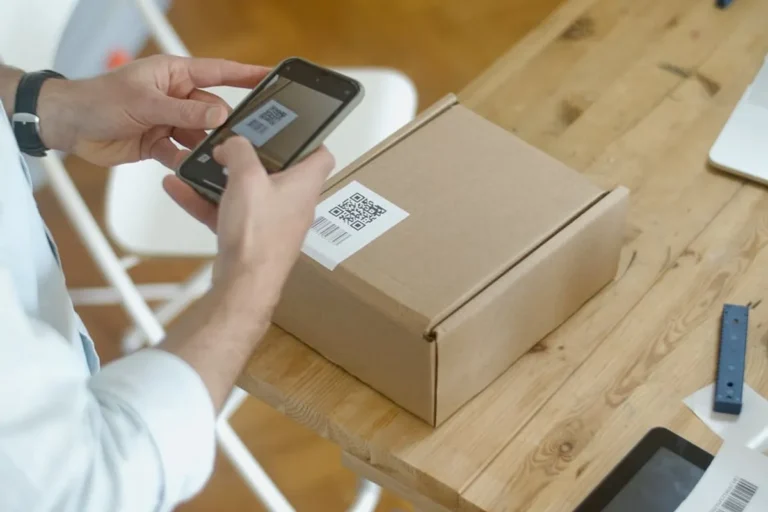
12. Paper Bags with QR Codes / Interactive Elements
Integrating QR codes or other interactive elements onto paper bags transforms passive packaging into an active digital touchpoint. A QR code can link customers directly to a shop's website, social media profiles, loyalty program sign-up, product reviews, or exclusive content. This strategy extends the customer journey beyond the physical store, offering opportunities for continued engagement, data collection, and direct marketing. It leverages the ubiquity of smartphones to bridge the gap between physical and digital retail experiences, adding measurable value to each bag.
Best For: E-

Start the conversation
Thoughtful disagreement welcomed. Promotional links quietly removed.