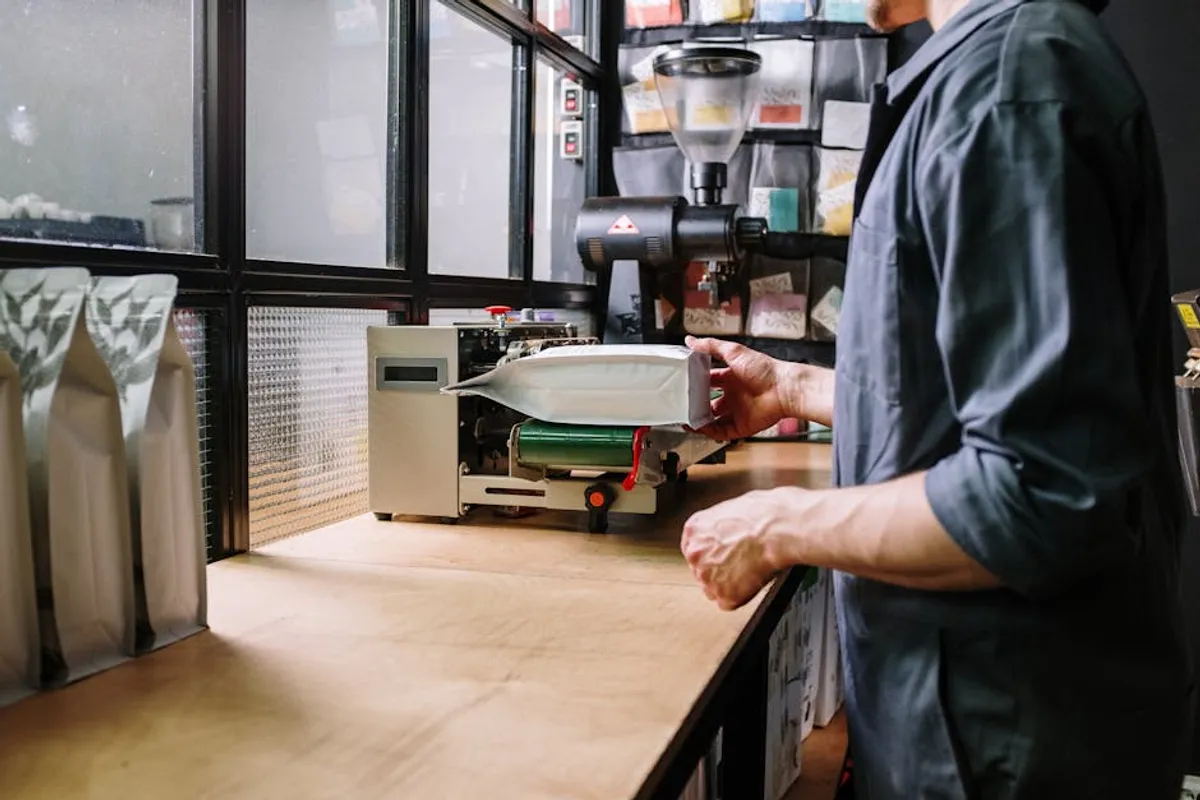
Selecting the right packaging design for your brand is a critical commercial decision, directly influencing consumer perception, market positioning, and ultimately, sales velocity. Effective packaging extends beyond mere product protection; it serves as a tangible brand ambassador, communicating values, quality, and differentiation at the point of purchase. This guide outlines the strategic considerations necessary to develop packaging that resonates with your target audience and reinforces your brand identity. This comprehensive packaging design buyer guide will help you navigate these crucial decisions.
Defining Your Brand Identity and Target Audience
Before any design work begins, a clear understanding of your brand's core identity and target audience is essential. Packaging must visually and tactilely translate your brand's values. A luxury brand, for example, requires sophisticated materials, minimalist aesthetics, and precise finishing to convey exclusivity and high quality. A budget-friendly brand, conversely, might prioritize clear messaging, durable but cost-effective materials, and efficient use of space to communicate value and accessibility. Research your target demographic's preferences, purchasing habits, and values. Are they eco-conscious, convenience-driven, or design-forward? Their expectations will dictate material choices, color palettes, typography, and structural design.
Understanding Competitor Packaging
Analyze your competitors’ packaging. Identify what works, what falls flat, and what differentiates your product. The goal is not to imitate but to carve out a unique visual territory on the shelf or in the unboxing experience. Look for gaps in their approach—perhaps their packaging is too generic, or fails to highlight a key product benefit that your brand offers. This competitive analysis informs decisions on color, shape, and messaging, ensuring your product stands out rather than blending in.
Material Selection and Structural Integrity
The choice of packaging material impacts not only aesthetics but also cost, durability, and environmental footprint. Consider the product's fragility, shelf life requirements, and shipping demands. For instance, rigid boxes offer superior protection for delicate items and convey a premium feel, justifying a higher unit cost for luxury goods. Flexible pouches, conversely, minimize material usage and shipping weight, reducing overall logistics expenses for high-volume, non-fragile consumables. Evaluate material properties like barrier protection against moisture or oxygen if your product is perishable. Structural design must ensure the product arrives intact, preventing damage that leads to returns and negative customer experiences. Prioritize materials that align with your brand's sustainability claims, such as post-consumer recycled (PCR) content or readily recyclable options, as these choices directly influence consumer purchase decisions among environmentally conscious demographics.
Best for:
- Rigid Boxes: Luxury goods, electronics, fragile items, subscription boxes. Conveys premium quality and provides robust protection.
- Corrugated Cardboard: Shipping boxes, e-commerce packaging, heavier items. Offers strength, versatility, and often uses recycled content.
- Flexible Pouches/Bags: Food products, cosmetics, samples, lightweight items. Reduces material waste and shipping costs, often resealable.
- Glass Bottles/Jars: Beverages, high-end cosmetics, preserves. Offers excellent barrier properties and a perception of quality, but adds weight and fragility.
Visual Elements: Color, Typography, and Graphics
Visual elements are the immediate communicators of your brand story. Color psychology plays a significant role; blues often convey trust and calm, while reds suggest energy and urgency. Typography should be legible and consistent with your brand's tone—a sleek sans-serif for modern brands, a classic serif for traditional ones. Graphics, illustrations, or photography should be high-resolution and relevant to the product and brand narrative. Avoid clutter; effective packaging often uses negative space strategically to draw attention to key information or design features. Ensure all visual elements are consistent across your entire product line to build brand recognition.
Pro Tip: Always conduct shelf-impact testing. Place your prototype packaging alongside competitor products in a simulated retail environment or test through digital mock-ups with your target audience. Observe which elements draw attention first, what information is easily absorbed, and whether the design effectively communicates your unique selling proposition. This iterative feedback loop is crucial for optimizing visual effectiveness before committing to production.
Regulatory Compliance and Information Hierarchy
Packaging must adhere to industry-specific regulations regarding product information, ingredients, warnings, and certifications. Failure to comply can result in fines, product recalls, and significant brand damage. Beyond legal requirements, consider the information hierarchy on your packaging. What is the most critical piece of information a consumer needs to see immediately (e.g., product name, key benefit)? What information can be secondary (e.g., ingredients list, usage instructions)? Use clear, concise language and intuitive placement. QR codes can be an efficient way to link to extended information online, reducing clutter on the physical package.
Sustainability and the Unboxing Experience
Modern consumers increasingly prioritize sustainability. Incorporating eco-friendly materials, reducing packaging volume, and designing for recyclability are not just ethical choices but significant market differentiators. Clearly communicate your sustainability efforts on the packaging itself. Beyond environmental considerations, the unboxing experience is a critical touchpoint, especially for e-commerce brands. Thoughtful internal packaging, tissue paper, custom inserts, or a personalized note can elevate a simple delivery into a memorable brand interaction, fostering loyalty and encouraging user-generated content on social media.
Implementing and Iterating Your Packaging Design
Once design concepts are finalized, engage with packaging manufacturers early in the process. Their expertise can inform material availability, cost-effective production methods, and potential challenges. Request physical prototypes or production samples to assess color accuracy, material feel, and structural integrity. Be prepared to iterate based on these samples and any final market testing. Launching with well-executed packaging provides a stronger foundation for market entry and sustained brand growth.
Frequently Asked Questions
Q: How much does custom packaging design typically cost?
A: Custom packaging design costs vary widely based on complexity, materials, quantity, and designer fees. Initial design concepts might range from a few hundred to several thousand dollars, with production costs per unit decreasing significantly with higher order volumes.
Q: What are common lead times for new packaging production?
A: Lead times for new packaging can range from 4-6 weeks for design and prototyping, to 8-16 weeks for full production and delivery, depending on material availability, customization, and supplier location. Planning ahead is crucial to avoid production delays.
Q: How can packaging design support sustainability goals?
A: Sustainable packaging design involves using recycled, recyclable, biodegradable, or compostable materials, minimizing material usage, optimizing for efficient shipping, and designing for reusability. Clearly communicating these efforts on the packaging itself can enhance brand perception. If your brand is focused on environmental impact, clearly understanding the nuances of choosing compostable packaging is a key next step.
Q: Should I prioritize aesthetics or functionality in packaging?
A: Effective packaging balances both. While aesthetics attract attention and convey brand identity, functionality ensures product protection, ease of use, and regulatory compliance. Neither should be sacrificed at the expense of the other; a cohesive design integrates both aspects seamlessly.

Start the conversation
Thoughtful disagreement welcomed. Promotional links quietly removed.