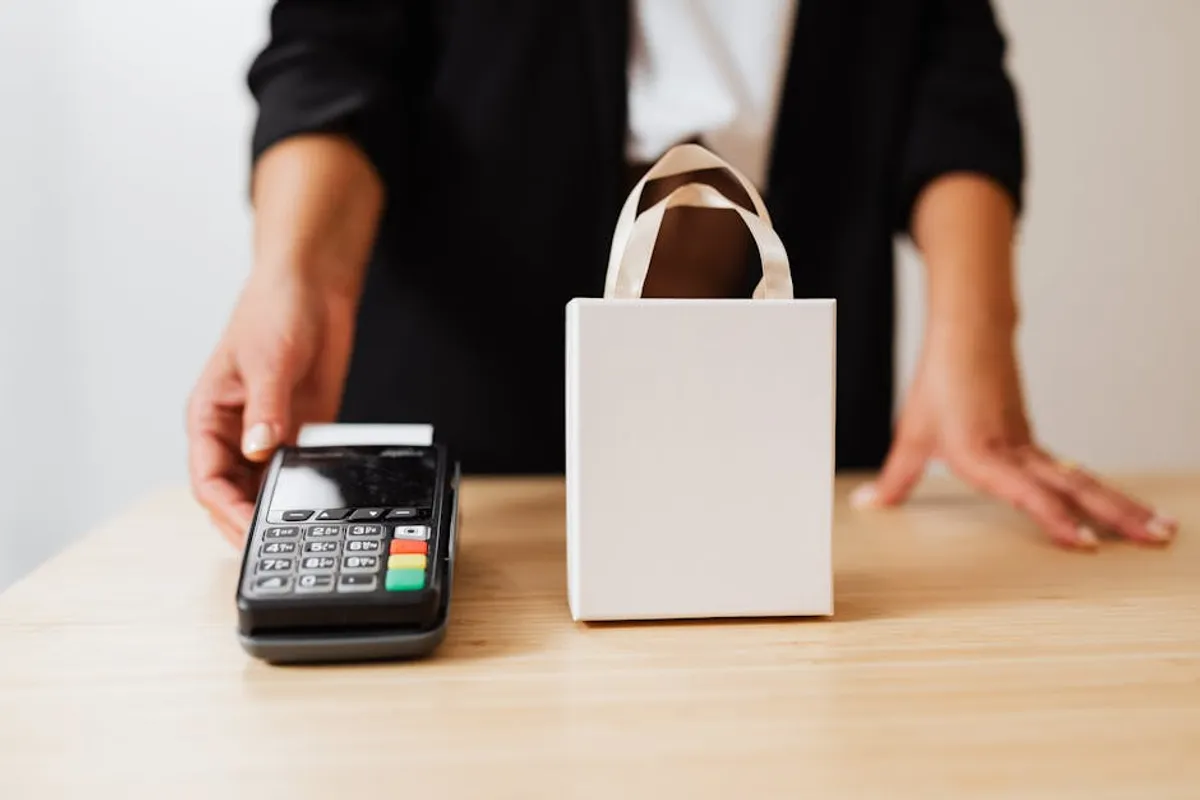
Choosing the right retail bags for your brand extends beyond simple packaging; it represents a direct touchpoint with your customer and a tangible extension of your brand identity. A thoughtfully selected bag enhances the unboxing experience, reinforces brand values, and can serve as a mobile advertisement. Conversely, a poorly chosen bag can detract from perceived product value, create operational inefficiencies, or miscommunicate your brand's commitment to quality or sustainability. The decision involves a strategic assessment of materials, design, functionality, and cost, all aligned with your brand's core message and target audience.
Key Considerations for Retail Bag Selection
Material Selection: Durability, Aesthetics, and Environmental Impact
The material of your retail bag dictates its strength, visual appeal, and ecological footprint. Common options include various paper stocks, plastic polymers, non-woven fabrics, and natural fibers. For instance, a heavy-gauge coated paper bag with a matte laminate conveys luxury, suitable for high-end fashion or jewelry. In contrast, a recycled kraft paper bag aligns with an eco-conscious brand. Consider the weight and fragility of your products. A delicate item requires a bag with structural integrity, potentially with internal cushioning, while a robust product can tolerate a simpler, lighter bag. Evaluate the material's resistance to tearing, moisture, and creasing, especially if customers will carry purchases for extended periods or through varying weather conditions. Furthermore, research the material's recyclability, biodegradability, or recycled content percentage to ensure it meets your brand's sustainability objectives.
Size and Capacity: Matching Product Dimensions and Purchase Volume
Selecting appropriate bag sizes is critical for functionality and cost efficiency. Bags should comfortably accommodate your typical product range without excessive empty space or strain. An oversized bag wastes material and can make small items appear insignificant, while an undersized bag risks damage to products or an awkward customer experience. Analyze average purchase volumes and product dimensions. Offering a range of sizes—small for accessories, medium for apparel, large for bulkier items—ensures flexibility. Custom sizing is an option for unique product lines but typically incurs higher minimum order quantities and unit costs. Always factor in any additional packaging, such as gift boxes or tissue paper, that will occupy space within the bag.
Handle Type: Comfort, Strength, and Brand Perception
Bag handles are a functional element that significantly impacts user experience and brand perception. Twisted paper handles are common for standard retail paper bags, offering a balance of cost and strength. Flat paper handles are more economical but can be less comfortable for heavier loads. For premium applications, rope or ribbon handles provide a sophisticated feel and increased comfort, often seen in luxury retail. Die-cut handles, integrated directly into the bag's body, offer a sleek, minimalist look, typically found on plastic or non-woven bags. Ensure the handle material and attachment method are robust enough to support the maximum anticipated weight of your products without tearing or detaching.
Branding and Customization: Logo Placement, Color Matching, and Finishes
Your retail bag is a mobile billboard. Effective branding involves precise logo placement, consistent color matching, and appropriate finishes. Flexographic printing is cost-effective for larger runs and simpler designs, often used for kraft or plastic bags. Offset printing offers higher resolution and color accuracy, ideal for complex graphics or photographic images on coated paper. Screen printing is suitable for smaller runs and specialty inks. Specify Pantone Matching System (PMS) colors to ensure brand consistency across all printed materials. Finishes like matte or gloss lamination protect the print and alter the bag's tactile and visual appeal. Embossing or debossing can add a tactile, premium dimension to logos or patterns, particularly on luxury paper bags. Consider how the branding will appear when the bag is full and in motion.
Budget and Cost-Effectiveness: Balancing Quality with Expenditure
Retail bag costs vary widely based on material, size, handle type, printing complexity, and order volume. Establish a clear budget per unit, but view this as an investment in brand perception, not just an expense. Higher quality bags, while more expensive per unit, can enhance perceived product value and encourage reuse, extending your brand's exposure. Conversely, opting for the cheapest available option can undermine a premium brand image. Request detailed quotes from multiple suppliers, breaking down costs by material, printing plates, and shipping. Explore bulk purchasing discounts, as unit costs often decrease significantly with larger order quantities. Balance the initial investment with the long-term brand benefits and customer experience.
Sustainability and Eco-Friendliness: Recycled Content, Biodegradability, and Certification
Consumer demand for sustainable packaging continues to grow. Incorporating eco-friendly features into your retail bags can align your brand with environmental values. Options include bags made from a high percentage of post-consumer recycled (PCR) content, certified by organizations like the Forest Stewardship Council (FSC) for responsibly sourced paper, or bags designed for biodegradability or compostability. Clearly communicate these sustainable attributes on the bag itself to inform customers and reinforce your brand's commitment. While sustainable options may sometimes incur a slightly higher cost, the positive brand association and appeal to environmentally conscious consumers can provide a significant return on investment.
Types of Retail Bags and Their Applications
Paper Bags: Kraft, Coated, and Luxury
Paper bags offer versatility and a broad range of aesthetic possibilities.
- Kraft Paper Bags: Made from unbleached wood pulp, offering a natural, rustic look. They are durable, recyclable, and often contain recycled content. Best for general retail, groceries, and brands emphasizing an organic or minimalist aesthetic.
- Coated Paper Bags: Made from paper with a clay coating, allowing for vibrant, high-resolution printing. These bags can be finished with gloss or matte laminations. Ideal for fashion, cosmetics, and gift stores where visual appeal and color accuracy are paramount.
- Luxury Paper Bags: Constructed from heavier paper stock, often with reinforced bottoms and premium handles (e.g., rope, ribbon). They frequently feature special finishes like embossing, debossing, or spot UV. Suited for high-end boutiques, jewelry stores, and brands requiring an elevated customer experience.
Plastic Bags: HDPE and LDPE
Plastic bags, while facing increasing scrutiny, remain a cost-effective and durable option for certain applications, particularly when made with recycled content.
- HDPE (High-Density Polyethylene) Bags: Characterized by a crinkly texture and high strength-to-weight ratio. They are often translucent and commonly used in supermarkets and mass-market retail due to their low cost and efficiency. Opt for versions with significant post-consumer recycled content to mitigate environmental impact.
- LDPE (Low-Density Polyethylene) Bags: Softer, more flexible, and with a smoother finish, offering a more premium feel than HDPE. They are less prone to tearing and can hold heavier items. Often used in specialty stores or boutiques. Focus on bags made from recycled LDPE or those designed for multiple uses to extend their lifecycle.
Non-Woven Bags: Reusable Options
Non-woven bags, typically made from polypropylene, are popular for their reusability and durability. They are often given away as promotional items or sold as an alternative to single-use bags. These bags can be printed with vibrant designs and are excellent for events, trade shows, or as branded reusable shopping bags for grocery and general merchandise stores. Their extended lifespan means prolonged brand exposure.
Cotton/Canvas Bags: Premium and Reusable
Cotton or canvas bags offer a highly durable, premium, and inherently reusable option. They convey a strong message of quality and sustainability. These bags are often chosen by fashion brands, bookstores, and lifestyle retailers looking to provide a lasting, high-value item that customers will use repeatedly. While they have a higher unit cost, their perceived value and extended brand visibility can justify the investment.
Integrating Retail Bags into Your Brand Strategy
Customer Experience Touchpoint: Unboxing and Reusability
The retail bag is often the final physical interaction a customer has with your brand after a purchase. A well-designed bag contributes positively to the unboxing experience, reinforcing the quality and care associated with your products. For e-commerce, the shipping bag or inner packaging serves a similar role. Bags that are aesthetically pleasing and durable enough for reuse extend this touchpoint, transforming a simple carrier into a utility item that keeps your brand visible in the customer's daily life.
Marketing and Brand Reinforcement: Walking Billboards and Social Sharing
A distinctive retail bag acts as a mobile advertisement. As customers carry their purchases, your brand gains exposure to a wider audience. Unique designs, bold logos, or clever taglines can capture attention and pique curiosity. In the age of social media, an attractive bag can also become a shareable moment, with customers posting photos of their purchases or unboxing experiences, further amplifying your brand's reach organically.
Operational Efficiency: Storage and Packing Speed
Beyond aesthetics, the practical aspects of retail bags impact your operational efficiency. Consider the storage space required for your chosen bags, especially if ordering in bulk. The ease with which staff can open, pack, and seal bags affects transaction speed and customer flow, particularly during peak periods. Bags that are difficult to handle or prone to tearing can lead to wasted time and materials. Evaluate the bag's flat-pack dimensions, weight, and overall user-friendliness for your team.
Practical Steps for Selection
Define Your Brand Identity and Values
Before evaluating any physical bag, articulate your brand's core identity. Is your brand minimalist and modern, luxurious and opulent, or rustic and eco-conscious? Your retail bag must visually and tactilely align with these defined characteristics. A mismatch—such as a cheap, flimsy bag from a high-end brand—creates cognitive dissonance and erodes trust. Consider your brand's commitment to sustainability, quality, and customer experience, as these values should be reflected in your packaging choices.
Assess Your Product Range
Catalog the variety of products you sell in terms of size, weight, fragility, and shape. This assessment will dictate the minimum requirements for bag strength, structural integrity, and dimensions. A boutique selling delicate jewelry will have vastly different needs than a store selling heavy kitchenware or bulky apparel. Determine if you require multiple bag sizes or if a single versatile option with internal packaging solutions (e.g., tissue paper, small boxes) can suffice.
Consider Your Target Customer
Understand your target customer's preferences and expectations. Do they prioritize convenience, luxury, environmental responsibility, or cost-effectiveness? A customer who values sustainability might appreciate a recycled paper bag or a reusable cotton tote, even if it costs slightly more. Conversely, a customer purchasing a high-value item expects a premium, durable bag that protects their purchase and enhances the perceived value. Aligning with customer expectations strengthens loyalty.
Request Samples and Prototypes
Pro Tip: Always request physical samples of your chosen bag material and print proofs before approving a full production run. Digital mock-ups can misrepresent color accuracy, material texture, and handle comfort, leading to costly discrepancies between expectation and final delivery.
Before committing to a large order, always obtain physical samples of potential bags. This allows you to evaluate the material's actual feel, the print quality, color accuracy, and the comfort and durability of the handles. Test the bags with your actual products to ensure they fit correctly and hold up under typical use. If custom printing is involved, request a pre-production sample or a high-quality digital proof to verify that your branding appears exactly as intended.
Evaluate Supplier Capabilities
Thoroughly vet potential bag suppliers. Inquire about their minimum order quantities (MOQs), lead times for production and delivery, and their range of customization options (printing techniques, finishes, material types). Assess their quality control processes and ask for references or case studies. A reliable supplier can offer valuable insights into material choices, design optimization, and cost efficiencies, ensuring a smooth production process and a high-quality final product.
Optimizing Your Retail Bag Investment
The selection of retail bags is a strategic decision that impacts brand perception, customer satisfaction, and operational efficiency. By carefully considering material, size, handle type, and branding, and aligning these choices with your brand identity and customer expectations, you transform a functional item into a powerful marketing tool. An optimized retail bag investment not only protects your products but also reinforces your brand's values, enhances the customer experience, and extends your brand's visibility long after the purchase has been made. View each bag as an opportunity to solidify your brand's presence and cultivate lasting customer loyalty.
Frequently Asked Questions
What is the typical lead time for custom retail bags?
Lead times for custom retail bags vary significantly based on the material, printing complexity, order quantity, and supplier. Generally, expect anywhere from 4 to 12 weeks from final artwork approval to delivery. Simpler designs and smaller quantities might be quicker, while complex designs, specialty materials, or very large orders can take longer.
How can I make my retail bags more sustainable?
To make retail bags more sustainable, consider using materials with high post-consumer recycled (PCR) content, choosing FSC-certified paper, or opting for biodegradable or compostable materials. Additionally, design bags for durability and reusability, encouraging customers to use them multiple times, and clearly communicate their eco-friendly attributes.
What is the difference between flexographic and offset printing for bags?
Flexographic printing uses flexible relief plates and is cost-effective for larger runs and simpler designs, often seen on kraft paper or plastic bags. Offset printing uses plates to transfer ink to a rubber blanket, then to the bag, offering higher resolution, finer detail, and more accurate color reproduction, making it ideal for complex graphics on coated paper bags.
Are there minimum order quantities (MOQs) for custom bags?
Yes, most custom bag manufacturers have minimum order quantities (MOQs) due to setup costs for printing plates and machinery. MOQs can range from a few hundred for simpler designs to several thousand for highly customized or specialty bags. Always clarify MOQs early in the supplier selection process.


Start the conversation
Thoughtful disagreement welcomed. Promotional links quietly removed.