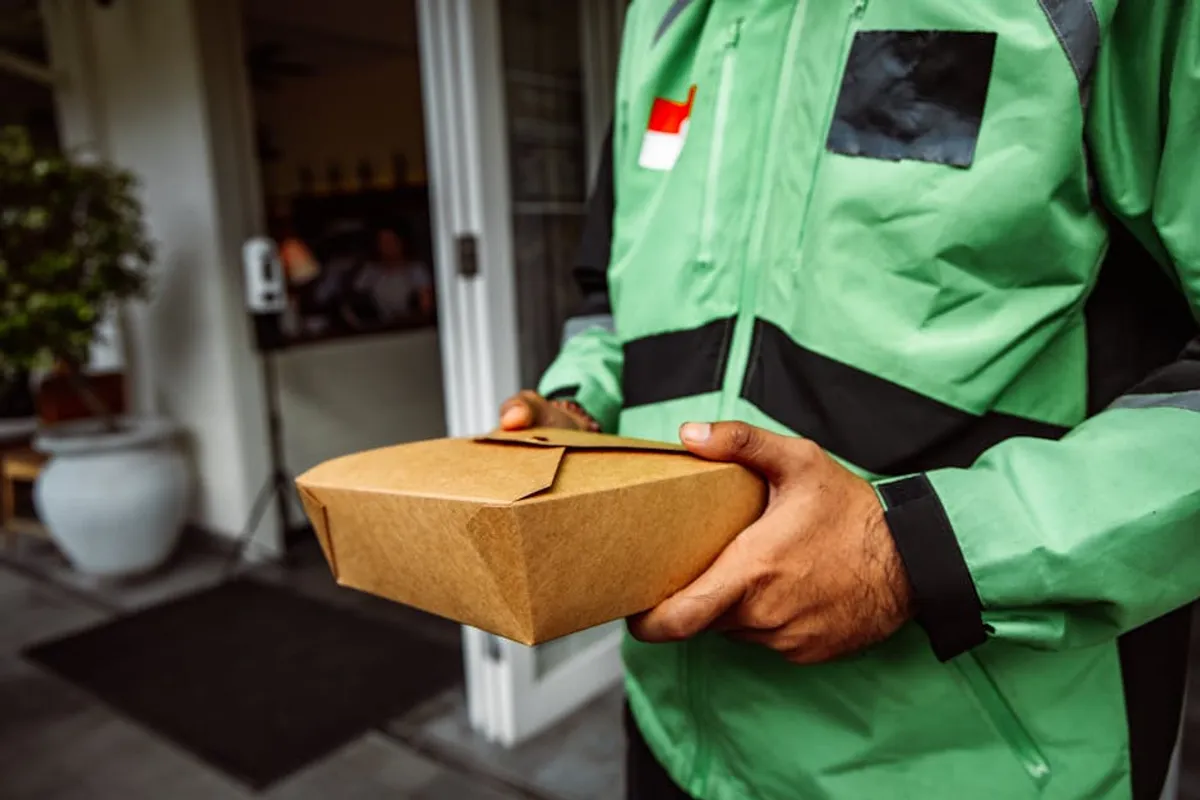
Selecting the right food packaging is a critical strategic decision for small shops, extending far beyond mere containment. Effective packaging protects products, preserves freshness, and communicates brand identity, directly influencing customer perception and repeat business. It serves as a silent salesperson, conveying quality, values, and convenience. For small businesses operating with tighter margins and often a more localized customer base, packaging choices must balance cost-efficiency with aesthetic appeal, functional performance, and increasingly, environmental responsibility. The right solution enhances the unboxing experience, reinforces brand messaging, and ensures products arrive as intended, whether for takeout, delivery, or retail display. The increasing demand for sustainable options means exploring a wider range of environmental responsibility is key for many small businesses.
Key Considerations for Food Packaging
Before evaluating specific packaging types, small shop owners should assess several foundational elements to ensure their choice aligns with operational needs and brand objectives. Prioritizing these factors streamlines the selection process and prevents costly missteps.
- Product Compatibility: The primary function of packaging is to protect the food. Consider temperature requirements (hot, cold, frozen), moisture content (sauces, oils), fragility, and shelf life. A leak-proof container is essential for liquids, while breathable options suit fresh baked goods.
- Brand Identity & Aesthetics: Packaging is a direct extension of your brand. Does it reflect your shop's personality, values, and target demographic? Color, material finish, custom printing capabilities, and overall design contribute significantly to brand recognition and customer appeal.
- Customer Experience & Convenience: Easy opening, reusability, stackability, and portability all enhance the customer experience. Consider how customers will transport, store, and consume the food. For delivery services, tamper-evident features are crucial.
- Sustainability & Environmental Impact: Consumer demand for eco-friendly options continues to grow. Evaluate materials for recyclability, compostability, biodegradability, and the use of recycled content. Communicate your sustainability efforts clearly on the packaging.
- Cost-Effectiveness: Packaging costs impact profitability. Balance the unit cost of materials with factors like durability, reduced spoilage, and brand value. Bulk purchasing, efficient storage, and minimal waste contribute to overall cost savings.
- Regulatory Compliance: Ensure all packaging materials are food-grade and comply with local health and safety regulations. This includes material safety, labeling requirements, and any specific certifications for compostable or recyclable claims.
- Operational Efficiency: Consider how easily the packaging integrates into your workflow. Is it quick to assemble, fill, and seal? Does it stack efficiently for storage? High-volume operations benefit from packaging that minimizes labor time.
1. Kraft Paperboard Boxes
Kraft paperboard boxes offer a natural, rustic aesthetic derived from their unbleached wood pulp composition. They are widely available in various shapes and sizes, from simple clamshells for sandwiches to more intricate designs for pastries and meal kits. Their inherent rigidity provides structural integrity, making them suitable for protecting delicate items during transport. The surface is receptive to printing, allowing for custom branding with logos and designs, often at a lower cost than more specialized materials.
Best for: Baked goods (cookies, pastries, donuts), sandwiches, light meal kits, small catering orders, and dry food items. Ideal for brands emphasizing natural, artisanal, or eco-conscious values.
Pros:
- Eco-Friendly Perception: Often made from recycled content and widely recyclable or compostable in many facilities, appealing to environmentally conscious consumers.
- Cost-Effective: Generally more affordable than plastic or specialized biodegradable alternatives, especially for custom printing in moderate volumes.
- Versatile: Available in many forms, from simple fold-and-lock designs to windowed boxes, accommodating diverse food types.
- Brandable: Excellent surface for custom printing, allowing for strong brand reinforcement.
Cons:
- Moisture Sensitivity: Without a specialized coating, paperboard can absorb grease and moisture, compromising structural integrity and appearance.
- Limited Durability: Not suitable for heavy liquids or foods requiring long-term refrigeration without additional liners.
- Insulation: Offers minimal thermal insulation for hot or cold foods.
Verdict: A versatile and cost-effective choice for small shops prioritizing a natural look and moderate protection for non-liquid items. Its recyclability and branding potential make it a strong contender for many dry and semi-dry food applications.
2. Compostable Clamshells
Compostable clamshells are typically made from plant-based materials like bagasse (sugarcane fiber) or PLA (polylactic acid), offering an environmentally responsible alternative to traditional polystyrene or plastic foam. These containers are designed to break down in commercial composting facilities, reducing landfill waste. They often feature a hinged design for easy opening and closing, making them convenient for grab-and-go meals. Bagasse options are generally microwave-safe and can handle both hot and cold foods, while PLA is better suited for cold applications.
Best for: Takeout meals, grab-and-go salads, sandwiches, hot entrees, and cold deli items where sustainability is a core brand message.
Pros:
- Environmental Appeal: Biodegradable and compostable, aligning with eco-conscious brand values and consumer demand.
- Versatile Temperature Use: Bagasse clamshells are suitable for both hot and cold foods and are often microwave-safe.
- Sturdy Construction: Sugarcane fiber options are robust, offering good protection against crushing and leaks for solid foods.
- Grease and Moisture Resistant: Many are designed with natural resistance to grease and moisture, though extreme liquids may still pose a challenge.
Cons:
- Cost: Generally more expensive per unit than traditional plastic or paperboard alternatives.
- Composting Infrastructure: Requires access to commercial composting facilities, which are not universally available, potentially limiting their end-of-life benefit.
- PLA Limitations: PLA-based options are typically only for cold foods and can degrade under high heat.
Verdict: An excellent choice for small shops committed to sustainability and offering prepared meals. The higher cost is often offset by enhanced brand perception and meeting consumer expectations for eco-friendly options, provided local composting infrastructure supports them.
3. Glass Jars & Bottles
Glass packaging provides a premium, transparent, and endlessly recyclable option for a variety of food products. Its non-porous nature ensures no flavor transfer or chemical leaching, maintaining product purity. Glass offers superior barrier protection against oxygen and moisture, extending shelf life for many items. The visual appeal of food displayed in clear glass can significantly enhance perceived quality and freshness, making it ideal for artisanal or homemade products.
Best for: Preserves, jams, sauces, pickles, honey, salad dressings, cold-pressed juices, milk, and specialty beverages. Suitable for products with longer shelf lives or those requiring an upscale presentation.
Pros:
- Premium Aesthetic: Conveys quality, freshness, and often a handmade or artisanal feel, justifying a higher price point.
- Excellent Barrier Properties: Protects against oxygen, moisture, and odors, preserving flavor and extending shelf life.
- Infinitely Recyclable: Glass can be recycled repeatedly without loss of quality, making it a highly sustainable choice.
- Non-Reactive: Does not leach chemicals or affect the taste of food, ensuring product purity.
Cons:
- Fragility: Prone to breakage during transport and handling, requiring careful packaging and potentially increasing shipping costs.
- Weight: Heavier than plastic or paper, contributing to higher shipping expenses and a less convenient carry for customers.
- Cost: Unit cost for glass jars and bottles can be higher than other materials, especially for specialized shapes or sizes.
Verdict: A strong option for specialty food shops looking to elevate their brand and offer products with extended shelf life. While initial costs and fragility are considerations, the premium perception and sustainability benefits often outweigh these for the right product.
4. Vacuum Seal Bags
Vacuum seal bags remove air from around food items, creating an airtight environment that significantly slows down spoilage. Typically made from multi-layer plastic films, these bags prevent oxidation, inhibit bacterial growth, and protect against freezer burn. This method is crucial for extending the freshness of perishable goods, allowing small shops to offer pre-portioned meats, cheeses, or prepared meals with a longer shelf life. The clear material allows customers to view the product, and the compact nature saves space.
Best for: Fresh meats, cheeses, pre-cooked meals, sous-vide applications, marinades, and portion control for bulk ingredients. Ideal for delis, butchers, and meal prep services.
Pros:
- Extended Shelf Life: Dramatically prolongs freshness by preventing oxidation and moisture loss, reducing food waste.
- Prevents Freezer Burn: Essential for freezing, maintaining the quality and taste of frozen foods.
- Space Efficient: Removes air, making packaging compact and optimizing storage space in refrigerators or freezers.
- Product Visibility: Clear bags allow customers to inspect the product before purchase.
Cons:
- Equipment Investment: Requires a vacuum sealer machine, which is an initial capital expenditure.
- Material Waste: Bags are typically single-use plastics, raising environmental concerns unless recyclable options are sourced.
- Puncture Risk: Sharp objects or bones can puncture bags, compromising the vacuum seal.
Verdict: Indispensable for small shops dealing with perishable goods where extended shelf life and freshness preservation are paramount. The initial investment in equipment is justified by reduced spoilage and the ability to offer higher-quality, longer-lasting products.
5. Custom Printed Pouches
Custom printed pouches, often made from flexible multi-layer films (e.g., stand-up pouches, flat pouches), offer a modern, highly customizable, and lightweight packaging solution. They provide excellent barrier properties against moisture, oxygen, and light, crucial for preserving the freshness and aroma of dry goods. The ability to print high-resolution graphics directly onto the pouch allows for vibrant branding and detailed product information, creating strong shelf appeal. Stand-up pouches are particularly popular for their display capabilities and consumer convenience.
Best for: Coffee beans, loose leaf tea, granola, nuts, dried fruits, spices, snack mixes, and powdered goods. Suited for brands aiming for a contemporary look and robust product protection.
Pros:
- High Brand Impact: Offers a large surface area for custom, high-quality printing, enabling distinctive brand storytelling.
- Excellent Barrier Protection: Multi-layer films provide superior protection against environmental factors, preserving product quality.
- Lightweight & Space-Saving: Reduces shipping costs and requires less storage space compared to rigid containers.
- Consumer Convenience: Often includes resealable zippers, tear notches, and stand-up features for ease of use and display.
Cons:
- Minimum Order Quantities (MOQs): Custom printing often requires significant MOQs, which can be a barrier for very small-scale operations.
- Recyclability Challenges: Multi-layer films are often difficult or impossible to recycle through standard municipal programs due to their composite nature.
- Initial Design Costs: Custom artwork and plate setup costs can be an upfront expense.
Verdict: A premium packaging choice for small shops selling dry goods, offering unparalleled branding opportunities and product protection. While MOQs and recyclability are considerations, the enhanced shelf appeal and consumer convenience often justify the investment.
6. Insulated Food Wraps
Insulated food wraps are designed to maintain the temperature of hot or cold food items for a limited duration. These wraps typically consist of a foil or metallized film layer laminated with paper or other materials, providing a reflective barrier against heat transfer. They are lightweight, flexible, and can be easily customized with branding. Their primary function is to bridge the gap between preparation and consumption, ensuring food arrives at the desired temperature for takeout or delivery customers.
Best for: Burritos, hot sandwiches, wraps, baked potatoes, and other individual hot food items intended for immediate consumption or short-distance delivery. Also useful for keeping cold items chilled temporarily.
Pros:
- Temperature Retention: Effectively keeps hot foods hot and cold foods cold for short periods, enhancing customer satisfaction.
- Lightweight & Flexible: Easy to handle, store, and transport, conforming to various food shapes.
- Cost-Effective: Generally inexpensive per unit, making them suitable for high-volume takeout operations.
- Customizable: Can be custom printed with logos and branding for a professional appearance.
Cons:
- Limited Insulation Duration: Not designed for long-term temperature maintenance; effectiveness diminishes over time.
- Environmental Concerns: Often made from mixed materials, making them difficult to recycle in most municipal streams.
- Moisture Build-up: Can trap steam from hot foods, potentially leading to sogginess if not designed with ventilation.
Verdict: An essential item for small shops offering hot or cold takeout items. Their ability to maintain temperature for short periods directly impacts customer satisfaction, making them a practical and affordable solution for quick-service operations.
7. Recycled PET Plastic Containers
Recycled PET (rPET) plastic containers are made from post-consumer recycled plastic, primarily from plastic bottles. This material offers the clarity, durability, and lightweight properties of virgin PET but with a significantly reduced environmental footprint. rPET containers are excellent for displaying cold foods, as their transparency allows for appealing product presentation. They are also widely recyclable where PET recycling streams exist, promoting a circular economy approach.
Best for: Salads, fruit cups, cold deli items, desserts, pre-cut vegetables, and other cold, ready-to-eat foods. Suitable for businesses emphasizing transparency and sustainable practices.
Pros:
- Environmental Responsibility: Utilizes recycled content, reducing reliance on virgin plastics and diverting waste from landfills.
- Crystal Clarity: Provides excellent product visibility, showcasing the freshness and appeal of food items.
- Lightweight & Durable: Easy to handle and transport, offering good protection against impact without adding significant weight.
- Recyclable: Widely accepted in curbside recycling programs where PET is collected.
Cons:
- Heat Sensitivity: Not suitable for hot foods, as rPET can deform and leach chemicals at elevated temperatures.
- Cost: Can be slightly more expensive than virgin PET, though prices are becoming more competitive.
- Limited Barrier Properties: While good for many applications, it may not offer the same long-term oxygen barrier as some specialized films.
Verdict: A commendable choice for small shops prioritizing both product visibility and environmental responsibility for cold food items. The use of recycled content resonates with eco-conscious consumers, making it a strong option for salads, desserts, and cold prepared meals.
8. BPA-Free Deli Containers
BPA-free deli containers are typically made from polypropylene (PP) or other plastics certified free of Bisphenol A, a chemical sometimes used in plastics and resins. These containers are known for their durability, reusability, and ability to withstand a range of temperatures, often being both microwave and freezer safe. They come in various sizes, usually with tight-fitting, often interchangeable lids, making them versatile for different food portions and types. Their robustness makes them suitable for liquids and bulk items.
Best for: Soups, sauces, stews, bulk salads, side dishes, meal prep, and items intended for reheating or freezing. Ideal for delis, catering services, and meal kit providers.
Pros:
- Safety: BPA-free certification addresses consumer health concerns regarding chemical leaching.
- Versatile Temperature Use: Often microwave-safe for reheating and freezer-safe for long-term storage.
- Durable & Reusable: Sturdy construction allows for multiple uses by consumers, reducing single-use waste.
- Leak-Proof: Designed with tight-sealing lids, making them reliable for liquids and saucy foods.
Cons:
- Environmental Impact: While often reusable, if disposed of, they are still plastic and may not be widely recyclable in all areas (PP recycling varies).
- Aesthetics: Typically utilitarian in design, offering less premium visual appeal compared to glass or custom printed pouches.
- Cost: Can be more expensive than basic disposable plastic or paper containers.
Verdict: A highly practical and safe choice for small shops offering liquids, hot meals, or items intended for home reheating/freezing. Their reusability and BPA-free status add value for health-conscious consumers, despite a less premium aesthetic.
9. Waxed Paper Bags
Waxed paper bags are lightweight, flexible bags coated with a thin layer of food-grade wax, which provides a barrier against grease and moisture. This makes them ideal for direct contact with oily or semi-moist food items, preventing seepage and maintaining freshness. They offer a classic, simple aesthetic, often associated with bakeries and casual food service. Waxed paper is generally biodegradable and compostable, depending on the wax type and local facilities, making it an environmentally friendlier option than plastic films.
Best for: Pastries, cookies, donuts, bagels, artisanal bread, sandwiches, and other baked goods where a grease-resistant, breathable, and simple package is needed.
Pros:
- Grease & Moisture Resistance: The wax coating prevents oils from soaking through, keeping the exterior clean and presentable.
- Breathable: Allows some air circulation, which is beneficial for baked goods to prevent sogginess.
- Cost-Effective: One of the most economical packaging options for individual items.
- Eco-Friendly Potential: Many waxed papers are biodegradable and compostable, offering a better environmental profile than plastic.
Cons:
- Limited Protection: Offers minimal structural protection against crushing or external impact.
- Not Sealable: Cannot be hermetically sealed, limiting shelf life for highly perishable items.
- Transparency: Opaque nature doesn't allow for product visibility.
Verdict: An excellent, cost-effective, and environmentally conscious choice for bakeries and cafes needing simple, grease-resistant packaging for individual baked goods. Its classic appeal and functional simplicity make it a staple for many small food businesses.
10. Biodegradable Trays
Biodegradable trays are typically made from molded pulp (like bagasse or bamboo fiber) or cornstarch-based materials. These trays offer a rigid, often compartmentalized structure, making them suitable for presenting multiple food items or meal components. They are designed to break down naturally over time, reducing environmental impact. Their natural, earthy appearance often complements organic or health-focused food offerings. They provide a sturdy base for food presentation in catering or meal kits.
Best for: Catering platters, meal kits, food truck meals, deli counter displays, and multi-component takeout dishes where presentation and eco-friendliness are key.
Pros:
- Environmental Benefits: Made from renewable resources and designed to biodegrade, reducing landfill waste.
- Sturdy & Rigid: Provides good structural support for heavier or multi-item meals, preventing crushing.
- Versatile Use: Often suitable for both hot and cold foods, and some are microwave-safe.
- Natural Aesthetic: Their earthy texture and appearance align well with sustainable or artisanal brands.
Cons:
- Cost: Generally more expensive per unit than traditional plastic or paperboard trays.
- Moisture Sensitivity: While often grease-resistant, prolonged exposure to liquids can compromise integrity without additional lining.
- Composting Requirements: Like other compostable items, they require commercial composting facilities for proper degradation.
Verdict: A premium, environmentally responsible option for small shops offering prepared meals or catering. The higher cost is justified by their robust structure, versatility, and strong alignment with sustainable brand values, especially where presentation matters.
11. Tamper-Evident Containers
Tamper-evident containers incorporate a design feature that visibly indicates if the package has been opened or compromised after sealing. This can include tear strips, breakable tabs, or sealed bands that must be broken to access the contents. Primarily made from plastic (PP or PET) or sometimes paperboard, these containers are crucial for food safety and consumer


Start the conversation
Thoughtful disagreement welcomed. Promotional links quietly removed.