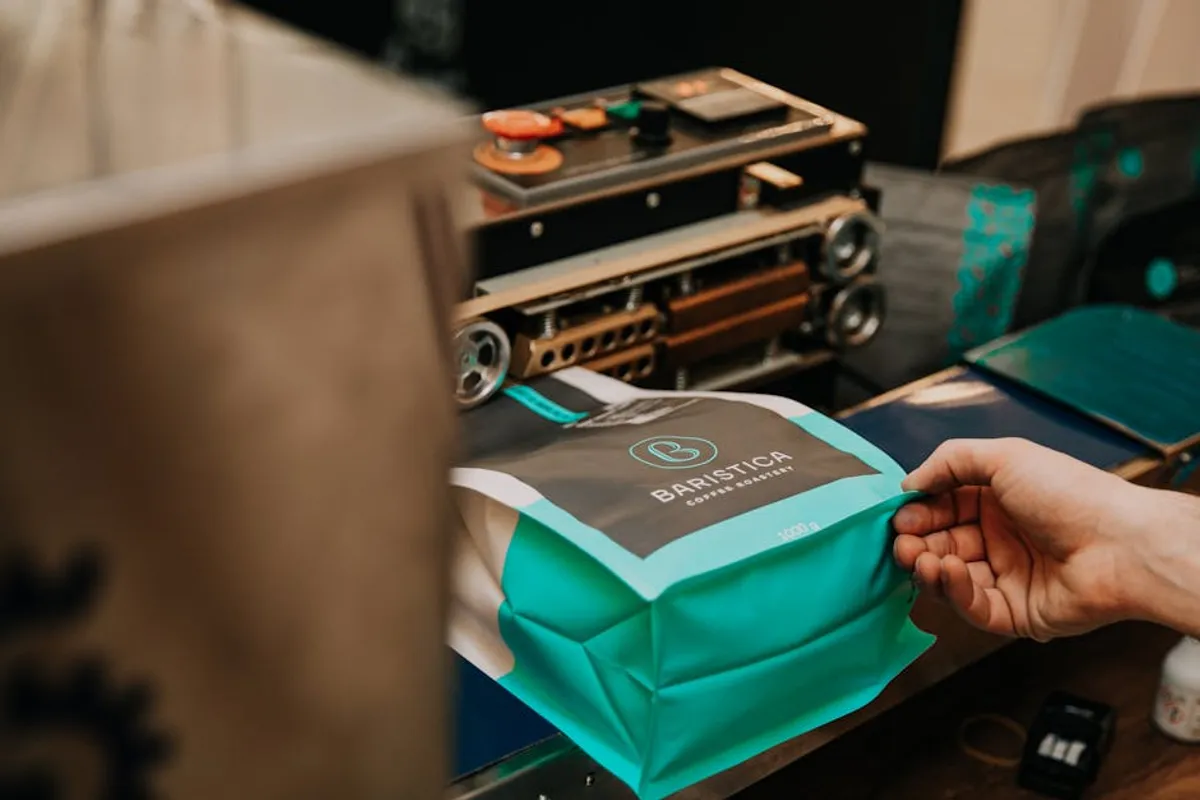
Professional packaging extends beyond mere product protection; it is a critical touchpoint that communicates brand values, enhances perceived quality, and shapes the customer experience. For any product-based business, the packaging serves as a silent salesperson, influencing initial impressions and repeat purchases. Designing packaging that looks professional requires a deliberate approach, integrating aesthetic appeal with functional integrity and strategic branding. This guide details the fundamental components and iterative steps necessary to achieve a polished, impactful packaging design.
Foundational Elements of Professional Packaging
Before any visual elements are considered, a clear understanding of the product, its audience, and the brand's identity is essential. This foundational phase ensures that subsequent design decisions are strategically aligned and resonate effectively.
Brand Identity Alignment
Professional packaging directly reflects the brand's core identity. This includes its mission, values, and unique selling proposition. Consistency across all brand touchpoints, including packaging, builds recognition and trust. Evaluate how the packaging will convey the brand's personality—is it minimalist, luxurious, playful, or eco-conscious? Each choice informs the design direction.
Considerations:
- Target Audience: Packaging should appeal directly to the intended customer demographic, considering their preferences, expectations, and purchasing habits.
- Brand Story: How can the packaging subtly or overtly tell the brand's narrative? This might involve specific imagery, messaging, or even the material choice.
- Competitive Landscape: Analyze competitor packaging to identify opportunities for differentiation and ensure the design stands out on shelves or in unboxing videos.
Typography and Color Palette
The choice of fonts and colors is central to visual communication. Professional packaging uses typography that is legible, consistent with brand guidelines, and appropriate for the product category. Color palettes evoke specific emotions and associations, contributing significantly to brand recognition.
Typography Best Practices:
Select typefaces that are:
- Legible: Especially for product names, descriptions, and regulatory information.
- Harmonious: Use a maximum of two to three complementary fonts to maintain a clean, organized appearance.
- Brand-Consistent: Reflect the brand's established visual language.
Color Strategy:
Colors should:
- Align with Brand: Use established brand colors consistently.
- Evoke Emotion: Understand the psychological impact of colors (e.g., blue for trust, green for nature, black for luxury).
- Stand Out: Create contrast and visual interest without overwhelming the design.
Imagery and Graphics
High-quality imagery and graphics elevate packaging from functional to aspirational. Whether it's product photography, custom illustrations, or abstract patterns, these elements must be professionally executed and relevant to the product. Avoid pixelated images or generic stock photos that can undermine perceived quality.
Graphic Application:
Ensure graphics are:
- High Resolution: Crisp and clear on all printed surfaces.
- Relevant: Directly relate to the product or its benefits.
- Strategically Placed: Guide the eye and highlight key information without clutter.
Material and Structural Considerations
Beyond the visual, the physical form and material of the packaging are crucial for professionalism, functionality, and sustainability.
Structural Integrity
The physical design of the packaging must protect the product during transit and storage while also being easy to open and re-seal if necessary. A well-engineered structure prevents damage and contributes to a positive unboxing experience.
Pro Tip: Always consider the product's weight, fragility, and dimensions when designing structural packaging. A poorly constructed box that allows product movement can lead to damage and a perception of low quality, regardless of the visual design.
Material Selection
The choice of material impacts durability, cost, environmental footprint, and tactile experience. Professional packaging often utilizes materials that align with the product's value proposition. For instance, luxury items might use rigid board with special finishes, while eco-friendly products might opt for recycled or compostable options.
Material Attributes:
- Durability: Adequate protection for the product.
- Tactile Feel: How the material feels to the touch (smooth, textured, soft).
- Sustainability: Recycled content, recyclability, biodegradability, or compostability.
- Printability: How well chosen graphics and colors reproduce on the surface.
Unboxing Experience
For many brands, especially in e-commerce, the unboxing experience is a critical part of the customer journey. Professional packaging considers how the customer interacts with the product from the moment they receive it. This includes ease of opening, internal presentation (e.g., tissue paper, custom inserts), and any surprise elements.
Elements of a Thoughtful Unboxing:
- Clear instructions or a thank-you note.
- Protective inserts that also present the product attractively.
- Easy-to-open closures that don't require excessive force or tools.
Practical Considerations and Iteration
Even the most aesthetically pleasing design must be practical to produce, comply with regulations, and meet budgetary constraints. The design process is iterative, involving testing and refinement.
Regulatory Compliance
Professional packaging must comply with all relevant industry-specific and general consumer protection regulations. This includes accurate ingredient lists, nutritional information, warnings, country of origin, and barcodes. Failure to comply can result in legal issues and product recalls, severely damaging brand reputation.
Key Compliance Areas:
- Ingredient disclosure for food and cosmetic products.
- Safety warnings for hazardous materials or children's products.
- Accurate weight and volume declarations.
- Proper labeling for import/export if applicable.
Prototype and Test
Before committing to a large production run, creating prototypes is essential. Physical prototypes allow for evaluation of structural integrity, material feel, print quality, and overall user experience. This stage helps identify and correct flaws that might not be apparent in digital mock-ups.
Testing Procedures:
- Drop Tests: Assess product protection during shipping.
- Shelf Appeal: Place prototypes alongside competitors to gauge visibility.
- User Interaction: Observe how individuals open and handle the package.
Gather User Feedback
Soliciting feedback from a small group of target customers on prototype designs provides invaluable insights. This feedback can highlight areas for improvement, confirm design strengths, and ensure the packaging resonates with the intended audience before mass production.
Feedback Mechanisms:
- Surveys or questionnaires.
- Focus groups.
- Observation of unboxing.
Elevating Your Brand Through Packaging
Designing professional packaging is a multi-faceted process that synthesizes creative vision with practical execution. By focusing on brand alignment, thoughtful aesthetics, structural integrity, and regulatory compliance, businesses can create packaging that not only protects their product but also elevates their brand perception and enhances the customer experience. The investment in professional packaging design yields returns in brand loyalty, market differentiation, and perceived product value.
Common Questions About Professional Packaging Design
What is the primary goal of professional packaging?
The primary goal is to protect the product, communicate brand identity, attract target customers, and enhance the overall perceived value and unboxing experience.
How important is sustainability in modern packaging design?
Sustainability is increasingly critical, influencing consumer purchasing decisions and brand reputation. Incorporating eco-friendly materials and design practices is a key aspect of modern professional packaging. This involves carefully selecting materials for recyclable packaging that align with both brand ethos and consumer expectations.
Should packaging be designed for e-commerce or retail shelves?
Packaging design should consider both channels. For e-commerce, focus on protective transit and unboxing experience. For retail, prioritize shelf appeal, clear messaging, and competitive differentiation.
What role does typography play in professional packaging?
Typography is crucial for legibility and conveying brand personality. It ensures product information is clear while reinforcing the brand's visual identity and tone.

Start the conversation
Thoughtful disagreement welcomed. Promotional links quietly removed.