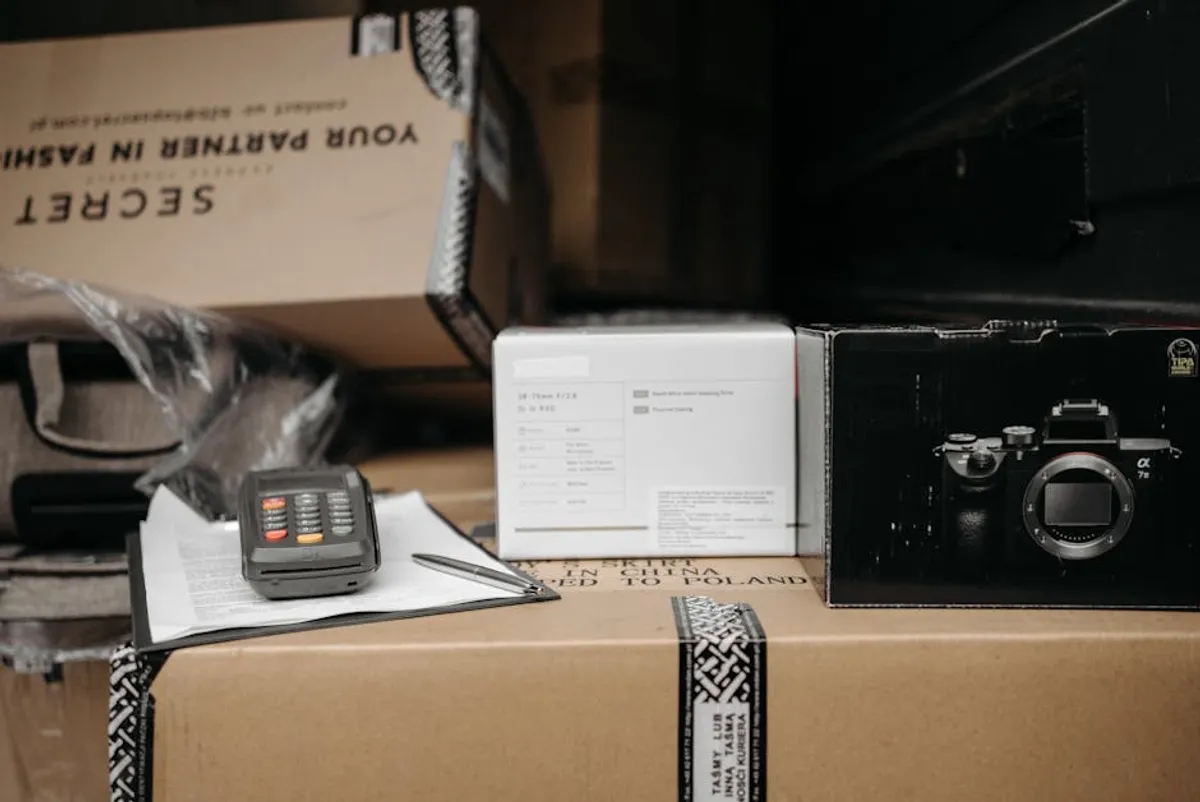
Packaging design extends beyond mere product protection; it represents a critical, tangible touchpoint in the customer journey. From the moment a consumer first encounters a product, its packaging begins to shape their perception, influencing purchase decisions, unboxing satisfaction, and long-term brand loyalty. Understanding the specific ways design elements impact customer experience allows brands to strategically craft packaging that communicates value, reinforces identity, and fosters a positive relationship with their audience.
The Immediate Impact of Visuals and Tactility
First Impressions and Brand Perception
The visual aesthetics of packaging are often the initial interaction a customer has with a product, particularly in retail environments or upon delivery. Color palettes, typography, imagery, and overall graphic design contribute to an immediate, often subconscious, judgment about the brand's quality, positioning, and target demographic. A premium product, for instance, typically employs minimalist design, sophisticated fonts, and muted color schemes to convey exclusivity and high value. Conversely, a playful, vibrant design might signal accessibility and fun. This initial visual impression is not just about attractiveness; it's about aligning the packaging's message with the brand's promise and the customer's expectations.
Sensory Engagement and Perceived Quality
Beyond sight, packaging engages other senses, significantly influencing perceived quality. The weight, texture, and material choice of packaging convey implicit messages. A heavy, textured box might suggest durability and luxury, while a smooth, lightweight material could imply modernity or eco-friendliness. The sound of opening a package, even subtle, can contribute to the experience. High-quality materials that feel substantial and well-crafted enhance the perception of the product itself being of superior quality, even before it's seen. This tactile feedback creates a more immersive and memorable interaction, distinguishing a product from competitors that rely solely on visual appeal.
Unboxing: A Critical Touchpoint
The Ritual and Its Digital Amplification
The act of unboxing has evolved into a significant customer experience ritual, especially for online purchases. Thoughtful packaging design transforms a simple opening into an engaging event. This involves layers of tissue paper, custom inserts, personalized notes, and strategically placed branding elements that unfold as the customer progresses through the package. The anticipation built during this process, culminating in the reveal of the product, can significantly elevate satisfaction. Furthermore, the shareability of a positive unboxing experience on social media platforms amplifies its impact, turning individual customer moments into widespread brand endorsements and user-generated content.
Protecting Products and Enhancing Trust
While aesthetics are crucial, the primary functional role of packaging is product protection. Effective design ensures items arrive undamaged, preventing frustration and the need for returns or replacements. Packaging that clearly demonstrates its protective qualities—through robust materials, secure closures, and custom-fit inserts—builds consumer confidence. When a product is well-protected, it signals that the brand values its merchandise and, by extension, its customers. This functional reliability underpins trust, reducing post-purchase anxiety and reinforcing the decision to buy from that brand again.
Practicality, Functionality, and Sustainability
Ease of Use and Reusability
Customer experience is also shaped by the practical aspects of packaging. Designs that are difficult to open, reseal, or store can lead to frustration, regardless of product quality. Conversely, packaging that is intuitive to open, easy to access the product, and convenient to store enhances the overall experience. Reusability is another key factor; packaging designed for a second life—as a storage container, gift box, or even a craft item—adds value beyond the initial product, contributing to a positive, lasting impression. This extends the utility of the packaging, embedding the brand further into the customer's daily life.
Environmental Responsibility and Consumer Values
For an increasing number of consumers, a brand's commitment to sustainability is a significant purchasing factor. Packaging designed with eco-friendly materials, minimal waste, and clear recycling instructions resonates with these values. Brands that prioritize sustainable packaging demonstrate social responsibility, which can significantly enhance customer perception and loyalty. This isn't just about using recycled content; it's about the entire lifecycle of the packaging, from sourcing to disposal. Transparent communication about these efforts builds a stronger connection with environmentally conscious customers.
Pro Tip: When integrating sustainable packaging, ensure claims are verifiable and clearly communicated. Vague "eco-friendly" labels without specific details can backfire, leading to consumer skepticism. Focus on tangible actions like certified recycled content percentages, compostability, or reduced material usage to build trust.
Information, Instruction, and Connection
Clear Communication and Brand Storytelling
Packaging serves as a vital channel for communicating essential information, including product benefits, ingredients, usage instructions, and safety warnings. Clear, concise, and well-organized information prevents confusion and enhances the user experience. Beyond practical details, packaging can also tell a brand's story, sharing its values, mission, or origin. This narrative element helps customers feel a deeper connection to the brand, moving beyond a transactional relationship to one built on shared principles and emotional resonance.
Post-Purchase Engagement Opportunities
Strategic packaging design can extend the customer experience beyond the initial purchase. QR codes or URLs printed on packaging can direct customers to online resources, tutorials, warranty registration, or exclusive content. This creates an opportunity for continued engagement, gathering feedback, and fostering community around the brand. Including a small, relevant gift or a discount code for a future purchase can also encourage repeat business and make the customer feel valued, transforming a single transaction into the beginning of a longer relationship.
Actionable Takeaways for Enhanced Packaging Design
To optimize packaging design for a superior customer experience, consider these practical applications:
- **Audit existing packaging:** Evaluate current designs for ease of opening, material quality, and visual appeal from a customer's perspective.
- **Align with brand identity:** Ensure packaging consistently reflects your brand's core values, aesthetic, and target audience.
- **Prioritize functionality:** Design for product protection, ease of use, and practical storage to minimize customer frustration.
- **Embrace sustainability:** Research and integrate eco-friendly materials and practices, clearly communicating these efforts.
- **Enhance the unboxing:** Incorporate elements that create a memorable, shareable experience for online and physical retail.
- **Integrate communication:** Use packaging to convey essential information and tell your brand's story effectively.
- **Facilitate post-purchase engagement:** Leverage packaging to drive customers to online content, support, or future purchases.
- **Gather feedback:** Solicit customer opinions on packaging design to identify areas for improvement and innovation.
Frequently Asked Questions About Packaging Design and CX
How does packaging design influence repeat purchases?
Positive packaging experiences, including ease of use, product protection, and aesthetic appeal, contribute to overall customer satisfaction. This satisfaction fosters brand loyalty, making customers more likely to choose the brand again for future needs.
What is the "unboxing experience" and why is it important?
The unboxing experience refers to the sensory and emotional journey a customer undergoes when opening a product's packaging. It's important because it's a critical moment for brand connection, often shared on social media, and significantly influences perceived value and overall satisfaction.
Can sustainable packaging truly impact customer experience?
Yes, sustainable packaging significantly impacts customer experience by aligning with the growing environmental values of consumers. Brands demonstrating commitment to eco-friendly practices through their packaging can enhance trust, brand perception, and loyalty among this segment.
What role does information hierarchy play in packaging design?
Information hierarchy on packaging ensures that critical details like product name, benefits, and usage instructions are easily discoverable and legible. A clear hierarchy prevents confusion, enhances user understanding, and contributes to a smoother, more positive customer interaction with the product.


Start the conversation
Thoughtful disagreement welcomed. Promotional links quietly removed.