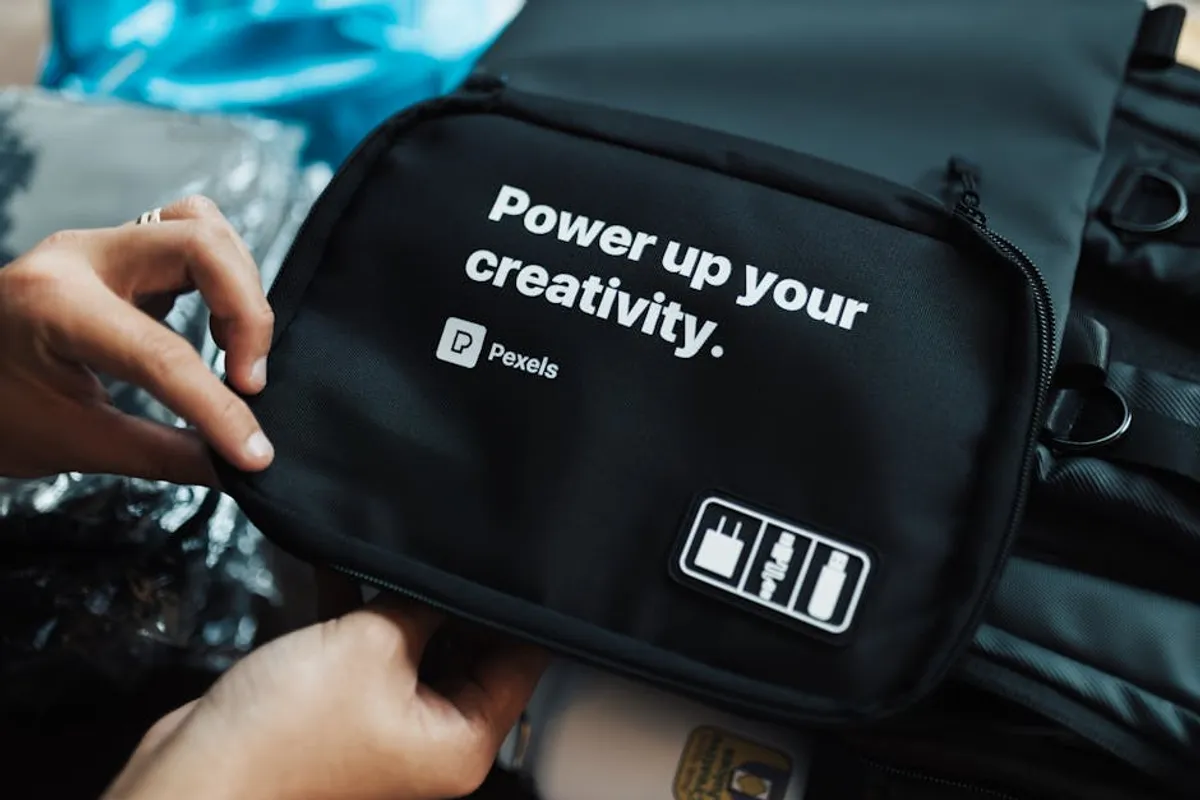
Businesses often face a pivotal decision when it comes to packaging: invest in custom-designed, branded bags or opt for alternative solutions. This choice goes beyond mere aesthetics, directly impacting brand perception, customer experience, operational costs, and environmental footprint. Branded bags, typically custom-printed paper or fabric carriers featuring a company's logo, colors, and messaging, serve as mobile advertisements and tangible extensions of a brand's identity. They elevate the unboxing experience, reinforce brand recall, and signal a commitment to quality. However, various alternatives exist, each with distinct advantages and trade-offs in terms of cost-effectiveness, sustainability, durability, and marketing reach. Understanding these differences is crucial for selecting a packaging strategy that aligns with specific business goals, product types, and target audience expectations. Understanding the nuances of how to choose branded bags can significantly impact your marketing success.
What to Look For in an Alternative
When evaluating alternatives to custom-branded bags, several factors warrant close consideration to ensure the chosen solution meets both practical and strategic business needs:
- Cost-Effectiveness: Analyze the unit cost, minimum order quantities (MOQs), and long-term storage implications. Cheaper upfront options may incur higher costs through reduced brand exposure or increased damage rates.
- Brand Impact & Recognition: Assess how well the alternative communicates brand values, enhances customer perception, and contributes to brand recall. Packaging is a direct touchpoint that can either elevate or diminish brand identity.
- Durability & Product Protection: The primary function of packaging is to protect its contents. Evaluate material strength, weather resistance, and suitability for various product weights and shapes to prevent damage during transit or handling.
- Sustainability Profile: Consider the environmental implications of materials, manufacturing processes, and end-of-life options (recyclability, biodegradability, reusability). Aligning with eco-conscious consumer values can be a significant differentiator.
- Customization Potential: Determine the extent to which the alternative can be personalized, even without full-scale branding. This might include custom sizes, colors, or the ability to add supplementary branding elements like stickers or tags.
- Customer Experience: Evaluate how the packaging contributes to the overall customer journey, from initial receipt to potential reuse. An enjoyable unboxing experience can foster loyalty and positive word-of-mouth.
- Operational Efficiency: Consider ease of packing, storage requirements, and shipping compatibility. Bulky or difficult-to-assemble alternatives can increase labor costs and slow down fulfillment processes.
1. Plain Kraft Paper Bags
Plain kraft paper bags offer a minimalist, cost-effective alternative to fully branded options. These bags are typically made from unbleached wood pulp, giving them a natural, earthy appearance. While they lack pre-printed branding, their simplicity can convey an understated, eco-conscious aesthetic, especially when paired with natural products or artisan goods. Businesses often use these as a base, adding branding through external means like stamps, stickers, or custom labels.
Key Features: Natural brown or white kraft paper, often with twisted paper handles. Available in a wide range of standard sizes and varying paper thicknesses. Biodegradable and recyclable.
Pricing: Generally one of the most affordable options per unit, especially at higher volumes. Cost is primarily driven by size, paper weight, and order quantity. Customization costs (stamps, stickers) are additional.
Best For: Small businesses with limited marketing budgets, brands emphasizing natural or rustic aesthetics, eco-friendly product lines, and businesses that prefer to add branding elements post-purchase or via low-cost methods.
Pros:
- Lower unit cost compared to custom-printed bags.
- Widely available from numerous suppliers, often with low MOQs.
- Natural, understated appearance appeals to certain customer segments.
- Good environmental profile: recyclable, compostable, and often made from recycled content.
- Versatile for adding DIY branding elements.
Cons:
- Lacks immediate, integrated brand recognition without additional effort.
- May appear generic if not thoughtfully enhanced.
- Less durable than some other packaging materials for heavy or sharp items.
- Limited aesthetic variation beyond natural kraft or basic white.
2. Reusable Fabric Totes
Reusable fabric totes, typically made from materials like non-woven polypropylene, cotton, or jute, serve as a more durable and sustainable alternative to single-use bags. While they can be custom-printed, even unbranded or subtly branded versions offer significant value. They provide a practical carry solution for customers, encouraging reuse and extending brand visibility long after the initial purchase. The perceived value for the customer is often higher than disposable options.
Key Features: Durable fabric construction, often with reinforced handles. Available in various colors, sizes, and material compositions. Designed for multiple uses, reducing waste.
Pricing: Higher unit cost than paper bags, but often justified by reusability and extended brand exposure. Pricing varies significantly based on material, size, construction quality, and order volume. Custom printing adds to the cost.
Best For: Retailers of higher-value goods, brands with a strong sustainability focus, businesses offering merchandise or promotional items, and those aiming for long-term brand visibility through customer reuse.
Pros:
- Significantly higher durability and lifespan than paper bags.
- Strong environmental appeal due to reusability.
- Acts as a walking advertisement for the brand over an extended period.
- Perceived as a value-add by customers, enhancing loyalty.
- Can carry heavier or bulkier items more securely.
Cons:
- Higher initial investment per unit.
- Larger storage footprint for inventory.
- MOQs can be higher for custom orders.
- Less suitable for quick, high-volume transactions where speed is paramount.
3. Custom Corrugated Boxes
Custom corrugated boxes offer robust protection and a premium unboxing experience, particularly for e-commerce businesses shipping products directly to consumers. While often more expensive than bags, their structural integrity and ample surface area provide extensive opportunities for internal and external branding, product information, and creative design. They are essential for fragile items or products requiring a more formal presentation.
Key Features: Multi-layered corrugated cardboard construction for strength. Available in various flute sizes (e.g., E-flute, B-flute) for different levels of rigidity. Highly customizable in size, shape, and print. Recyclable.
Pricing: Unit costs are generally higher than paper bags, influenced by box dimensions, board strength, print complexity (one-color vs. full-color), and order volume. Die-cut costs for custom shapes can also apply.
Best For: E-commerce businesses, brands shipping fragile or high-value items, subscription box services, companies prioritizing a premium unboxing experience, and those requiring significant space for product protection and marketing messaging.
Pros:
- Superior product protection during shipping and handling.
- Offers a premium, memorable unboxing experience.
- Extensive surface area for detailed branding, graphics, and messaging.
- Versatile for various product types and sizes.
- Recyclable and often made from recycled content.
Cons:
- Higher unit cost and shipping weight compared to bags.
- Can be bulky to store, requiring more warehouse space.
- Assembly time can add to operational costs.
- Less convenient for in-store carry-out by customers.
4. Poly Mailers
Poly mailers are lightweight, durable, and water-resistant plastic envelopes commonly used for shipping non-fragile items like apparel, soft goods, and documents. While traditionally unbranded or featuring only a shipping label, custom-printed poly mailers offer a cost-effective way to brand shipments. Even plain poly mailers can be enhanced with branded stickers or inserts, providing a functional and economical packaging solution for e-commerce.
Key Features: Made from polyethylene film, offering tear and water resistance. Lightweight, reducing shipping costs. Available in various colors, thicknesses, and sizes, with self-sealing adhesive strips. Recyclable in some areas.
Pricing: Among the most cost-effective shipping packaging options per unit. Pricing depends on size, thickness, material (e.g., recycled content), and print options. Custom printing significantly increases the unit cost but remains competitive.
Best For: E-commerce businesses shipping apparel, textiles, books, or other non-fragile items that require minimal cushioning. Ideal for brands prioritizing low shipping costs and efficient packing processes.
Pros:
- Very low unit cost, especially for plain versions.
- Extremely lightweight, reducing shipping expenses.
- Water-resistant and tear-resistant, offering good protection for contents.
- Easy to store and pack, enhancing operational efficiency.
- Customizable with printing or external branding elements.
Cons:
- Offers minimal cushioning for fragile items.
- Environmental concerns due to plastic material, though recycled content options exist.
- Less premium appearance compared to boxes or high-end bags.
- Can be difficult for customers to recycle in all regions.
5. Digital Packaging Inserts
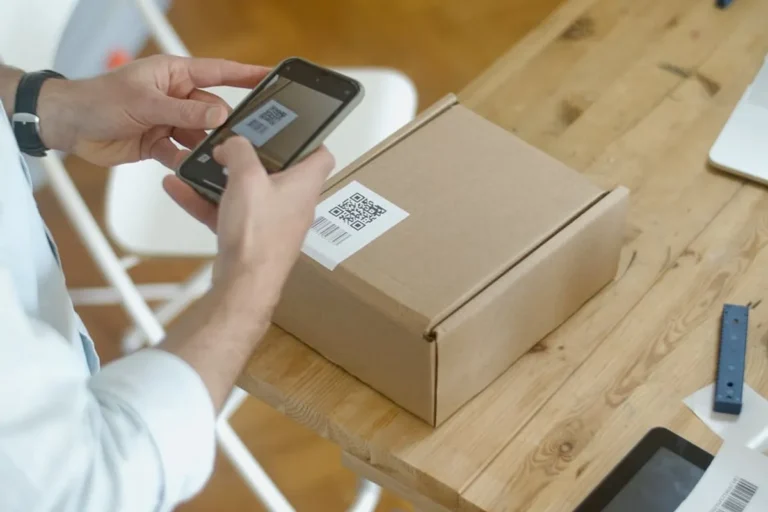
Instead of relying solely on the outer packaging for branding, businesses can leverage digital packaging inserts. This involves including a QR code, NFC tag, or a short URL within a plain or minimally branded package, directing customers to a customized online experience. This approach shifts some branding and informational content from physical print to a dynamic digital platform, offering flexibility and cost savings on physical packaging materials.
Key Features: QR codes, NFC tags, or printed URLs leading to dedicated landing pages, videos, product guides, customer service portals, or social media links. Can be printed on small cards, labels, or directly on unbranded packaging.
Pricing: Cost of physical inserts (cards, labels) is minimal. Primary costs involve developing and maintaining the digital content and landing pages. QR code generation is often free or low-cost for basic use.
Best For: Brands seeking to provide rich, interactive content without incurring high physical printing costs, companies with evolving product information, those aiming to track customer engagement, and businesses with a strong digital presence.
Pros:
- Highly cost-effective for delivering extensive branding and product information.
- Dynamic content can be updated without reprinting physical packaging.
- Enables tracking of customer engagement and analytics.
- Reduces physical packaging waste by shifting content digitally.
- Offers a modern, interactive customer experience.
Cons:
- Relies on customer engagement with a digital device.
- May be overlooked by some customers who prefer immediate physical information.
- Requires a robust digital infrastructure (website, landing pages) to support.
- Doesn't provide immediate visual brand recognition on the exterior of the package.
6. Biodegradable/Compostable Mailers
For businesses prioritizing environmental impact, biodegradable or compostable mailers offer a sustainable alternative to traditional plastic poly mailers. These are typically made from plant-based materials like corn starch or other biopolymers, designed to break down naturally in commercial composting facilities or, in some cases, home composts. While they may not always allow for extensive custom printing, their eco-friendly nature serves as a significant brand statement.
Key Features: Made from plant-based materials (e.g., PLA, PBAT). Certified compostable (e.g., BPI, EN 13432). Similar lightweight and self-sealing properties to poly mailers. Available in various sizes and often in a natural or light color.
Pricing: Generally higher unit cost than standard poly mailers due to specialized materials and manufacturing processes. Pricing varies by material composition, size, and order quantity. Custom printing options may be more limited or costly.
Best For: Eco-conscious brands, businesses selling sustainable products, companies targeting environmentally aware consumers, and those seeking to minimize their packaging's end-of-life impact.
Pros:
- Strong environmental credentials, appealing to green consumers.
- Reduces plastic waste and landfill burden.
- Lightweight, contributing to lower shipping costs.
- Can enhance brand perception as a responsible and sustainable company.
Cons:
- Higher unit cost compared to conventional poly mailers.
- Composting infrastructure varies by region, limiting practical disposal for some customers.
- Shelf life and durability can be sensitive to environmental conditions (heat, humidity).
- Custom printing options may be less diverse or more expensive.
7. Generic Gift Boxes with Ribbons/Tags
Instead of a custom-branded bag, a generic, high-quality gift box paired with a branded ribbon, tag, or sticker can create an elegant and memorable presentation. This approach allows businesses to purchase plain boxes in bulk, reducing unit costs, while still injecting brand identity through smaller, customizable accessories. It offers flexibility for various occasions and product types, providing a sophisticated unboxing experience without the full investment in custom-printed boxes.
Key Features: Standard, unbranded rigid or collapsible gift boxes (e.g., white, black, kraft). Paired with custom-printed ribbons, hang tags, adhesive labels, or wax seals. Available in various sizes, finishes, and colors.
Pricing: Cost-effective for the base box, with additional costs for ribbons, tags, and printing. The overall cost can be competitive with custom-printed bags, especially for higher-end presentations. Pricing varies by box quality, accessory choice, and customization complexity.
Best For: Luxury brands, gift retailers, businesses offering curated product sets, companies that value a premium presentation but need flexibility in branding elements, and those with fluctuating product lines.
Pros:
- Creates a premium, elegant unboxing experience.
- Offers flexibility in branding through easily changeable accessories.
- Base boxes can be purchased in bulk, reducing costs.
- Versatile for various product sizes and gift-giving occasions.
- Can be reused by customers for storage or gifting.
Cons:
- Requires manual assembly or attachment of branding elements, increasing labor.
- Higher overall cost than basic paper bags.
- Bulky to store, especially rigid boxes.
- May not be suitable for all product types or high-volume, quick-service environments.
How to Choose the Right Alternative
The optimal packaging choice hinges on a clear understanding of your business's priorities and constraints. Start by defining your budget, considering not just unit cost but also shipping expenses, storage, and labor for packing. Next, evaluate your brand identity: does your packaging need to scream your logo, or can a subtle, eco-friendly approach resonate more effectively? Product protection is non-negotiable; fragile items demand robust solutions, while soft goods allow for lighter options. Finally, consider the customer journey. An e-commerce business needs durable shipping solutions, while a brick-and-mortar store might prioritize ease of carry and immediate brand recognition. By systematically weighing these factors against the specific characteristics of each alternative, businesses can select packaging that not only protects their products but also enhances their brand and bottom line.
Frequently Asked Questions
Q: Are branded bags always more expensive than alternatives?
A: Not always. While custom-printed bags often have higher unit costs than plain, generic options, some premium alternatives like custom corrugated boxes or reusable fabric totes can be more expensive. The total cost depends on material, size, print complexity, and order volume. This cost consideration is a key factor in any comprehensive buyer guide for businesses looking at packaging options.
Q: Can unbranded packaging still contribute to brand recognition?
A: Yes. Even without a direct logo print, packaging can contribute to brand recognition through material choice (e.g., natural kraft for an eco-brand), unique shapes, or the strategic use of branded inserts, stickers, or ribbons. The overall presentation and customer experience are key.
Q: What are the environmental benefits of choosing sustainable packaging alternatives?
A: Sustainable alternatives like recycled content paper bags, biodegradable mailers, or reusable totes reduce reliance on virgin materials, decrease landfill waste, and lower carbon footprints. They also align businesses with growing consumer demand for eco-friendly practices, enhancing brand image.
Q: How do packaging choices impact shipping costs for e-commerce?
A: Packaging weight and dimensions directly influence shipping costs. Lighter options like poly mailers generally result in lower shipping fees compared to heavier corrugated boxes. Optimizing packaging size to minimize dimensional weight can also lead to significant savings.
Q: Is it possible to combine different packaging alternatives?
A: Absolutely. Many businesses use a hybrid approach, employing different packaging types for different products or sales channels. For example, branded bags for in-store purchases and custom corrugated boxes for e-commerce shipments, or plain mailers with branded internal inserts.


Start the conversation
Thoughtful disagreement welcomed. Promotional links quietly removed.