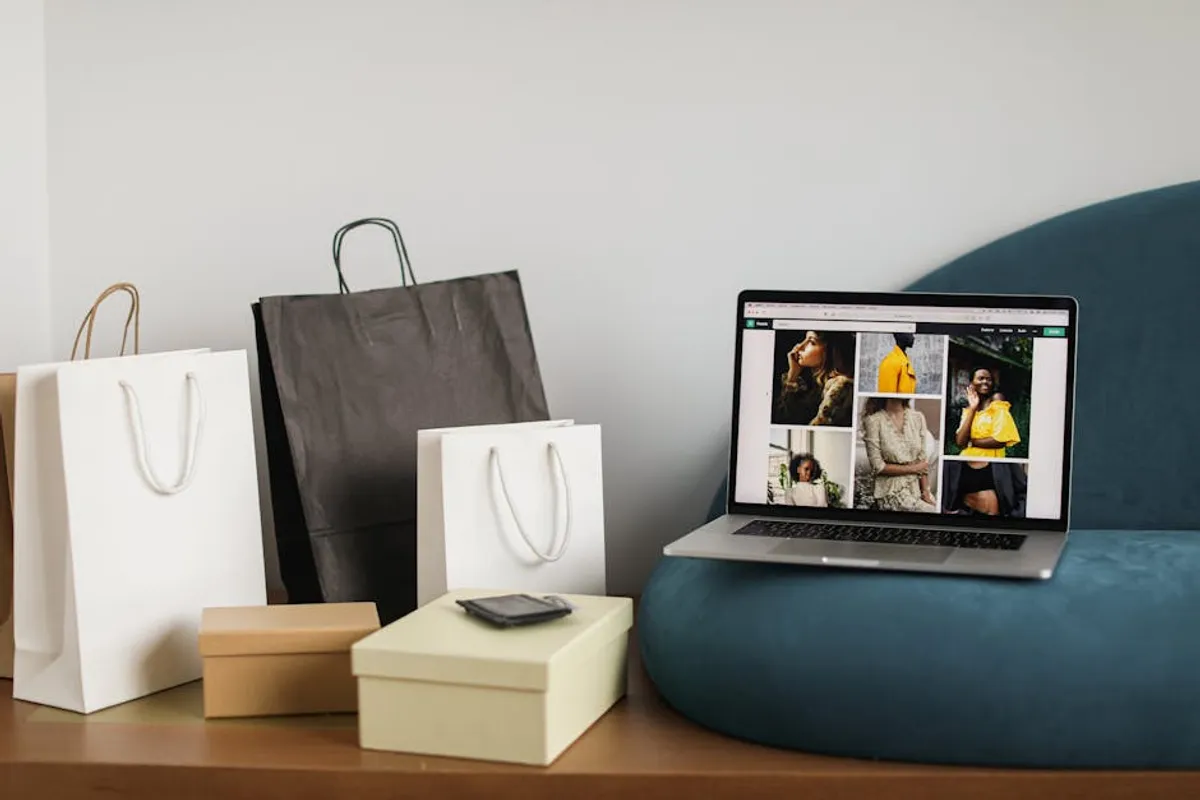
For businesses, a branded bag extends beyond a simple carrying solution; it functions as a mobile advertisement, a statement of brand identity, and an integral part of the customer experience. The decision to invest in branded bags requires careful consideration of materials, design, functionality, and budget to ensure the end product aligns with marketing objectives and operational realities. This guide provides a framework for evaluating options and making informed purchasing decisions that reinforce your brand's message and value proposition. Careful consideration of packaging design choices ensures your branded bags align with your overall brand presentation.
Material Selection and Performance
The choice of material dictates not only the bag's appearance and feel but also its durability, cost, and environmental footprint. Each material offers distinct advantages and trade-offs regarding print quality, strength, and reusability.
- Paper Bags: Often made from recycled content, paper bags offer a classic, eco-conscious option. They are versatile for printing, allowing for vibrant colors and intricate designs. Kraft paper provides a natural, rustic look, while coated art paper allows for a more premium, glossy finish. They are suitable for light to medium-weight items and are commonly used in retail, boutiques, and for gift packaging.
- Plastic Bags (HDPE/LDPE): High-density polyethylene (HDPE) and low-density polyethylene (LDPE) bags are known for their strength-to-weight ratio and water resistance. HDPE is crinkly and opaque, often used for grocery or general retail. LDPE is softer, clearer, and offers better print fidelity, making it suitable for higher-end retail or promotional giveaways. While durable, their environmental impact is a significant concern for many consumers and businesses.
- Non-Woven Polypropylene (NWPP) Bags: These bags are made from spun-bonded polypropylene fibers, creating a fabric-like texture. NWPP bags are highly durable, often reusable, and offer good printability. They are a popular choice for trade shows, promotional events, and grocery stores due to their longevity and perceived value by consumers.
- Cotton/Canvas Bags: Offering superior durability and reusability, cotton and canvas bags project a premium, eco-friendly image. They are excellent for high-quality screen printing or embroidery, providing a long-lasting brand impression. These bags typically have a higher unit cost but deliver significant brand exposure through repeated use.
- Jute Bags: Made from natural plant fibers, jute bags are robust, biodegradable, and sustainable. Their rustic texture provides a unique aesthetic, often associated with organic or artisanal brands. Printing on jute can be more challenging due to its coarse surface, often favoring simpler, bolder designs.
Design and Branding Specifics
Effective branded bags integrate seamlessly with your existing visual identity. Precision in design execution ensures brand recognition and reinforces your aesthetic standards.
Logo Placement and Scale
The primary function of a branded bag is to display your logo. Consider the bag's dimensions and the logo's aspect ratio to ensure it is prominent but not overwhelming. Central placement is common, but offset or repeating patterns can create a distinctive look. Ensure legibility from a distance and when the bag is in motion.
Color Matching and Consistency
Maintaining consistent brand colors across all touchpoints is crucial. Provide vendors with specific Pantone Matching System (PMS) codes or CMYK values to ensure accurate color reproduction. Variations in material can affect how colors appear, so request physical proofs or samples printed on your chosen material before committing to a full production run.
Messaging and Call to Action
Beyond the logo, consider adding a brief tagline, website URL, social media handle, or a simple call to action. This transforms the bag from a mere carrier into a direct marketing tool. Keep messaging concise and impactful, leveraging the bag's exterior as prime advertising space.
Production Logistics and Investment
Understanding the practicalities of ordering branded bags—from minimum quantities to lead times—is essential for smooth operations and budget management.
Minimum Order Quantities (MOQs)
Most manufacturers impose MOQs due to setup costs for printing and production. These can range from a few hundred for simpler designs to several thousand for highly customized or specialized bags. Evaluate your usage rates and storage capacity to determine an optimal order size that balances cost-efficiency with inventory management.
Lead Times and Production Schedules
Production lead times vary significantly based on material, customization complexity, and manufacturer workload. Standard orders might take 4-6 weeks, while highly custom designs or international shipping can extend this to 12-16 weeks. Plan orders well in advance of peak seasons or specific marketing campaigns to avoid stockouts or rush fees.
Warning: Always factor in potential shipping delays and customs clearance if sourcing internationally. Request tracking information and confirm delivery timelines rigorously to prevent disruptions to your operational schedule. Unexpected delays can impact product launches or promotional events, incurring additional costs or lost opportunities.
Cost vs. Perceived Value
While unit cost is a significant factor, consider the bag's perceived value and its lifespan. A higher-cost, durable bag that customers reuse frequently provides more sustained brand exposure than a cheaper, single-use option. Evaluate the total cost of ownership against the marketing benefit and customer experience it delivers.
Maximizing Your Branded Bag Investment
To ensure your branded bag strategy delivers maximum impact, integrate it thoughtfully into your overall brand experience. Consider how the bag complements your products, reflects your brand ethos, and enhances customer satisfaction. A well-chosen bag can elevate the unboxing experience, encourage repeat business, and amplify word-of-mouth marketing.
The decision process should involve your marketing team, operations, and potentially sales, to ensure alignment across departments. Regular review of bag performance—such as customer feedback or social media mentions—can inform future design iterations and material choices, continually optimizing this tangible touchpoint for your brand.
Frequently Asked Questions
What is the typical lifespan of a branded bag?
The lifespan varies significantly by material; paper bags are often single-use, while non-woven polypropylene or cotton bags can last for months or even years with proper care, offering extended brand visibility.
How do I ensure color accuracy for my logo on different bag materials?
Always provide specific Pantone Matching System (PMS) codes to your supplier. Request physical pre-production samples on your chosen material to visually confirm color accuracy before approving the full order.
Are eco-friendly branded bag options more expensive?
While some eco-friendly materials like organic cotton or recycled content paper can have a slightly higher unit cost than conventional plastic, their long-term brand benefits, customer perception, and reusability often justify the investment.
What is the most cost-effective way to order branded bags?
Ordering in larger quantities generally reduces the per-unit cost due to economies of scale in production and setup. Consolidating orders and planning well in advance to avoid rush production or expedited shipping fees also contributes to cost savings.
Start the conversation
Thoughtful disagreement welcomed. Promotional links quietly removed.