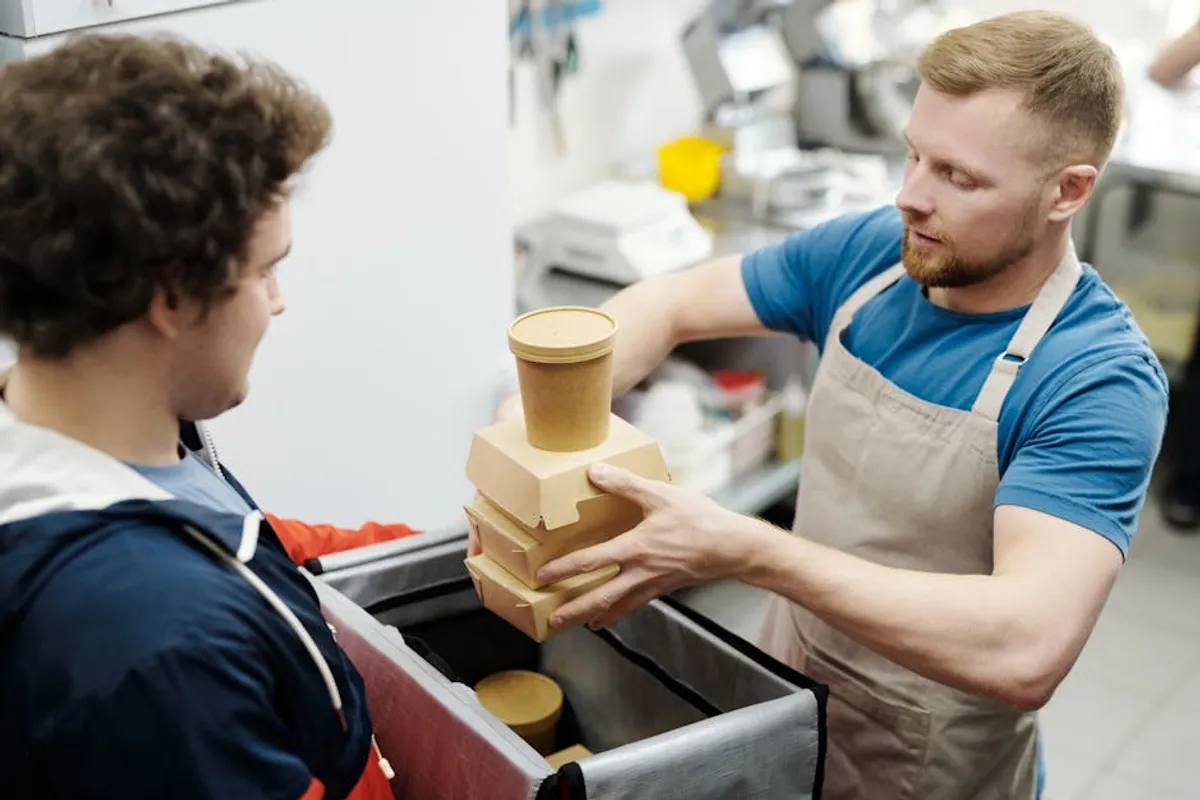
The choice between conventional food packaging and its emerging alternatives is no longer a simple matter of cost or convenience. Businesses today navigate a complex landscape driven by evolving consumer expectations, stringent environmental regulations, and the undeniable imperative for sustainability. This decision impacts not only product shelf-life and protection but also brand perception, operational logistics, and long-term environmental footprint. Understanding the fundamental differences in material properties, end-of-life scenarios, and economic implications is crucial for making an informed choice that aligns with both commercial objectives and ecological responsibility. This analysis delves into the core distinctions, offering a practical framework for evaluating which packaging solution is truly "better" for specific product needs and market demands.
What to Look For in a Food Packaging Alternative
Selecting the optimal food packaging alternative requires a multi-faceted evaluation beyond initial material cost. Key considerations center on functionality, environmental impact, economic viability, and consumer acceptance.
- Material Properties and Performance: The primary function of food packaging is to protect its contents, extend shelf-life, and ensure food safety. Alternatives must offer comparable or superior barrier properties against moisture, oxygen, light, and contaminants. Evaluate mechanical strength, temperature resistance, and compatibility with various food types (e.g., acidic, oily).
- Environmental Impact Profile: Assess the entire lifecycle of the packaging material, from raw material extraction and manufacturing energy consumption to transportation emissions and end-of-life management. Prioritize alternatives that reduce carbon footprint, minimize virgin resource use, and offer viable recycling, composting, or biodegradability pathways. Avoid "greenwashing" by scrutinizing certifications and disposal requirements.
- Cost Implications Across the Value Chain: Beyond the unit cost of the material, consider manufacturing process compatibility (e.g., machinery adjustments), filling line speeds, shipping weight, and potential waste management fees. Sustainable options may have a higher upfront material cost but can offer long-term savings through reduced waste, improved brand image, or compliance incentives.
- Consumer Perception and Marketability: Packaging is a direct brand touchpoint. Consumers increasingly prefer sustainable options, but clarity on disposal and genuine environmental benefits is critical. Evaluate how an alternative material communicates brand values, enhances product appeal, and avoids confusion or skepticism regarding its environmental claims.
- Regulatory Compliance and Future-Proofing: Packaging materials must comply with food contact safety regulations in target markets. Furthermore, consider evolving legislation around single-use plastics, recycled content mandates, and extended producer responsibility (EPR) schemes. Choosing an alternative that anticipates future regulatory trends can mitigate risk and ensure market access.
- Supply Chain Resilience and Scalability: Assess the availability and reliability of raw material sources for alternatives. Evaluate the maturity of the manufacturing infrastructure and the potential for scaling production to meet demand. Diversifying material sources can enhance supply chain resilience.
1. Biodegradable Plastics (e.g., PLA, PHA)
Biodegradable plastics represent a category of materials designed to break down into natural components (water, CO2, biomass) under specific environmental conditions, typically through microbial action. Polylactic Acid (PLA), derived from renewable resources like corn starch or sugarcane, is one of the most common, while Polyhydroxyalkanoates (PHAs) are produced by bacteria and offer broader biodegradability across various environments.
Key Features: Derived from renewable biomass; offers varying degrees of biodegradability and compostability (industrial vs. home); can be processed using conventional plastic manufacturing equipment for films, rigid containers, and coatings.
Pricing: Generally 20-50% higher than conventional fossil-based plastics, with PHA typically more expensive than PLA due to production complexities and scale.
Best For: Short shelf-life food products, single-use food service items (cups, cutlery, containers), fresh produce packaging, and applications where end-of-life composting infrastructure is accessible and mandated.
Pros:
- Reduced reliance on fossil fuels, lowering the carbon footprint during production compared to traditional plastics.
- Offers an end-of-life solution (composting) that diverts waste from landfills, provided the correct infrastructure exists.
- Can maintain adequate barrier properties for many food applications, especially for dry or chilled goods.
Cons:
- Requires specific industrial composting conditions (temperature, humidity) for effective breakdown, which is not universally available. Home composting claims for many materials are often misleading.
- Can contaminate conventional plastic recycling streams if incorrectly sorted by consumers, leading to increased processing costs.
- Performance limitations for high-barrier applications or hot-fill processes compared to multi-layer conventional plastics.
- Higher material cost can impact product pricing and margins.
2. Compostable Paper & Board
This category encompasses packaging solutions primarily made from wood pulp, often sourced from sustainably managed forests, and treated with bio-based or compostable coatings to provide necessary barrier properties. These materials are designed to break down in industrial or home composting environments, returning organic matter to the soil.
Key Features: Renewable resource base; high consumer recognition and acceptance; can be recycled if not heavily coated or soiled; offers varying levels of moisture and grease resistance depending on coatings; printable for brand messaging.
Pricing: Competitive with traditional paperboard solutions, with costs varying based on board weight, coating type, and print complexity. Can be slightly higher than virgin plastic alternatives.
Best For: Dry goods (cereals, pasta), baked goods, fast-food packaging (burger wraps, fry containers), frozen food cartons (with suitable barriers), and produce trays.
Pros:
- Derived from a renewable and often sustainably managed resource, contributing to a lower carbon footprint.
- High consumer acceptance and familiarity, leading to clearer end-of-life understanding when properly labeled.
- Offers established recycling infrastructure for uncoated or lightly coated variants, and industrial composting for certified compostable versions.
- Versatile in form and function, adaptable to various product shapes and branding needs.
Cons:
- Barrier properties are often inferior to plastic for moisture, oxygen, and grease, requiring specialized coatings that can complicate compostability or recyclability.
- Susceptible to moisture degradation if the barrier is compromised, affecting product integrity and shelf-life.
- Heavy coatings or laminations can render some "paper" products non-recyclable in standard paper streams, leading to landfilling if composting isn't available.
- Production can be water and energy-intensive, though often less so than virgin plastics.
3. Edible Packaging
Edible packaging refers to films, coatings, or containers made from food-grade materials that can be consumed along with the product or safely discarded without environmental impact. These innovations leverage natural polymers like starches, proteins (e.g., casein), or seaweed extracts to create functional barriers.
Key Features: Zero waste potential; can enhance or preserve food quality; often transparent or translucent; typically derived from natural, renewable sources; offers a novel consumer experience.
Pricing: Currently niche and often higher due to specialized production processes, limited scale, and ongoing R&D. Costs can vary significantly based on material and complexity.
Best For: Single-serve portions (e.g., coffee pods, condiment sachets), fresh produce coatings (to extend shelf-life), confectionery wraps, and innovative beverage capsules or ice cream cups.
Pros:
- Eliminates packaging waste entirely, offering the ultimate circular solution where the "packaging" becomes part of the food.
- Can actively contribute to food preservation by reducing oxidation or moisture loss, potentially extending product shelf-life.
- Offers a unique and memorable consumer experience, aligning with strong sustainability values and novelty appeal.
- Reduces transportation weight and volume compared to traditional packaging, as there's no empty packaging to return or dispose of.
Cons:
- Limited application scope, primarily suitable for small, single-serve, or dry/semi-dry products due to barrier and mechanical strength limitations.
- Scalability and production efficiency remain significant challenges for widespread adoption across diverse food categories.
- Potential allergen concerns if the edible packaging material contains common allergens not present in the food itself.
- Consumer acceptance can be variable, requiring clear communication about the edibility and safety of the material.
4. Reusable/Refillable Systems
Reusable and refillable packaging systems involve durable containers designed for multiple use cycles, often facilitated by deposit-return schemes, in-store refill stations, or subscription models. The focus shifts from single-use disposal to a circular economy model where packaging is collected, cleaned, and refilled.
Key Features: Closed-loop system; durable materials (glass, stainless steel, robust plastics); requires reverse logistics for collection and cleaning; emphasizes waste prevention rather than end-of-life management.
Pricing: Higher initial investment in durable containers and infrastructure (cleaning, logistics). Potential for lower cost per use over time compared to single-use options, but operational costs are significant.
Best For: Beverages (milk, juice, beer), bulk dry goods (grains, nuts, spices), prepared meals, household staples, and local delivery services seeking to minimize packaging waste.
Pros:
- Significantly reduces packaging waste and the associated environmental impacts of manufacturing new single-use items.
- Fosters stronger brand loyalty and consumer engagement through participation in circular economy initiatives.
- Can offer long-term cost savings by amortizing container costs over many cycles and reducing raw material procurement.
- Aligns with a premium brand image, signaling a strong commitment to sustainability and innovation.
Cons:
- Requires complex reverse logistics, including collection, sorting, cleaning, and redistribution, which can be operationally intensive and costly.
- Requires significant consumer behavior change and buy-in for adoption and proper return/refill participation.
- Increased weight of durable containers can lead to higher transportation emissions per trip, though this is offset by multiple uses.
- Cleaning and sanitization processes require energy and water, and must meet stringent food safety standards.
5. Glass (Enhanced/Lightweight)
Glass packaging, a traditional material, is undergoing modernization through lightweighting techniques and increased use of recycled content (cullet). It remains valued for its inertness, premium perception, and infinite recyclability, making it a compelling alternative to single-use plastics for certain applications.
Key Features: Infinitely recyclable without loss of quality; chemically inert, preserving product flavor and integrity; transparent for product visibility; premium aesthetic; lightweighting reduces material use and transport weight.
Pricing: Generally higher initial cost per unit than plastic, but offers a strong perceived value. Costs are influenced by weight, design complexity, and recycled content. Energy costs for production are significant.
Best For: High-value beverages (juices, spirits, craft beer), preserves, sauces, dairy products, and premium food items where product integrity, shelf-life, and brand image are paramount.
Pros:
- Excellent barrier properties against gases and moisture, ensuring long shelf-life and product freshness.
- Chemically inert, preventing migration of substances into food and preserving original taste and aroma.
- High consumer acceptance and strong association with quality and purity, enhancing brand perception.
- Infinitely recyclable in closed-loop systems, reducing demand for virgin raw materials and minimizing waste.
Cons:
- Heavier than plastic, leading to higher transportation costs and increased carbon footprint during shipping.
- Fragility makes it susceptible to breakage, requiring robust secondary packaging and careful handling throughout the supply chain.
- High energy consumption during primary glass manufacturing, although this is mitigated by using recycled cullet.
- Limited design flexibility compared to plastics, and specialized machinery is required for filling and sealing.
6. Aluminum & Steel (Enhanced/Recycled Content)
Metal packaging, primarily aluminum and steel, offers robust protection and high recyclability. Innovations focus on increasing recycled content, lightweighting cans, and developing new coatings to enhance performance and sustainability. These materials are particularly effective for products requiring long shelf-life and excellent barrier properties.
Key Features: Infinitely recyclable; excellent barrier to light, oxygen, and moisture; high strength-to-weight ratio for cans; tamper-evident; often high post-consumer recycled content rates.
Pricing: Generally stable, but subject to commodity market fluctuations. Can be competitive with other rigid packaging, especially for high-volume applications. Production is energy-intensive for virgin material.
Best For: Beverages (soda, beer, energy drinks), canned foods (vegetables, soups, fish), aerosols, and specialized products requiring maximum protection and extended shelf-life without refrigeration.
Pros:
- Exceptional barrier properties, providing complete protection against light, oxygen, and moisture, crucial for preserving food quality and extending shelf-life.
- Infinitely recyclable without degradation, leading to high recycling rates and significant energy savings when using recycled content.
- Lightweight compared to glass, reducing transportation costs and emissions, especially for aluminum cans.
- Durable and tamper-evident, offering robust product protection and consumer confidence.
Cons:
- Energy-intensive primary production, though this impact is significantly reduced with high recycled content.
- Lack of transparency (cannot see product inside), which can be a disadvantage for certain product categories.
- Susceptible to denting, which can affect aesthetic appeal and potentially compromise integrity if severe.
- Resource extraction for virgin materials can have environmental impacts.
7. Bio-based Composites (e.g., Mycelium, Agricultural Waste)
Bio-based composites represent a frontier in sustainable packaging, utilizing natural fibers, agricultural waste (e.g., hemp, straw, bagasse), or even living organisms like mycelium (mushroom roots) as primary components. These materials are often combined with bio-based binders to create rigid or semi-rigid structures designed for compostability or biodegradability.
Key Features: Utilizes waste streams; often home compostable or biodegradable; unique textures and aesthetics; low energy input for some production methods (e.g., mycelium growth); renewable resource base.
Pricing: Currently higher due to early-stage development, limited scale, and specialized manufacturing processes. Costs are expected to decrease as technology matures and production scales.
Best For: Protective packaging inserts, specialty food items, gift boxes, non-liquid applications, and niche markets emphasizing extreme sustainability and innovative design.
Pros:
- Transforms agricultural or industrial waste into valuable packaging materials, promoting circularity and resource efficiency.
- Offers strong environmental credentials, often being home compostable or fully biodegradable, reducing landfill burden.
- Can provide unique aesthetic and tactile qualities that differentiate products and appeal to eco-conscious consumers.
- Low-energy manufacturing processes for some materials, such as mycelium-based packaging that "grows" into shape.
Cons:
- Limited barrier properties against moisture, oxygen, and grease, making them unsuitable for many direct food contact applications without additional coatings or liners.
- Scalability remains a significant challenge, as production processes are often nascent and not yet optimized for mass market.
- Regulatory approval for direct food contact can be complex and time-consuming due to novel material compositions.
- Durability and mechanical strength may be lower than conventional materials, limiting application to less demanding products.
How to Choose the Right Alternative
The optimal food packaging alternative is not a universal solution but a strategic choice tailored to specific product, market, and operational contexts. Begin by conducting a thorough product assessment: what are its shelf-life requirements, sensitivity to environmental factors, and handling needs? A highly perishable liquid will demand different packaging properties than a dry, shelf-stable good.
Next, align packaging choices with your brand values and target consumer expectations. If your audience prioritizes compostability, a certified compostable paper solution with clear disposal instructions will resonate more than a material requiring industrial recycling infrastructure they lack access to. Conversely, for premium products where reusability signals luxury and commitment, a robust refillable glass system might be more appropriate.
Evaluate your existing supply chain and manufacturing capabilities. Adopting a new packaging material often requires investment in new machinery, adjustments to filling lines, or changes in logistics for collection and cleaning. Factor in the total cost of ownership, including material procurement, production line efficiency, transportation, and end-of-life management fees. Finally, stay informed on evolving regulatory landscapes and consumer trends to ensure your packaging strategy remains compliant, competitive, and genuinely sustainable in the long term.
FAQ
<

Start the conversation
Thoughtful disagreement welcomed. Promotional links quietly removed.