
Businesses seeking to transition to compostable packaging face a complex decision landscape. The market offers a range of materials, certifications, and performance characteristics, each impacting operational costs, brand perception, and environmental claims. This guide outlines the essential factors for businesses to evaluate when selecting compostable packaging, focusing on practical considerations for informed procurement.
Understanding Compostable Certifications
Verifying compostability relies on third-party certifications, which confirm that packaging materials will break down into natural elements in specific composting environments. Without these certifications, claims of "biodegradable" or "eco-friendly" lack verifiable scientific backing, potentially leading to greenwashing accusations. Businesses must prioritize packaging that carries recognized certification labels to ensure compliance and consumer trust.
Key Certification Bodies
Several organizations provide compostability certifications, each with distinct standards and testing protocols. In North America, the Biodegradable Products Institute (BPI) is a prominent certifier, focusing on industrial composting facilities. European standards are often indicated by the 'Seedling' logo from TÜV AUSTRIA (formerly Vincotte) or DIN CERTCO. These certifications ensure materials meet specific disintegration and biodegradation rates under controlled conditions, typically involving elevated temperatures and microbial activity found in industrial composters.
Differentiating Home vs. Industrial Composting
It is crucial to distinguish between packaging certified for industrial composting and that certified for home composting. Industrial composting facilities maintain high temperatures and specific moisture levels, accelerating the breakdown process. Most certified compostable packaging requires these conditions to fully degrade. Home composting, conversely, operates at lower, less consistent temperatures, meaning only a limited range of materials will successfully break down in a backyard pile. Businesses must understand their target end-of-life scenario and communicate this clearly to consumers, as packaging labeled "compostable" without specifying "industrial" can create confusion and improper disposal if home composting is assumed.
Material Selection for Specific Applications
The choice of compostable material directly impacts packaging performance, aesthetics, and cost. Each material type offers distinct properties suitable for different product requirements, from moisture barriers to structural integrity.
Bioplastics (PLA, PHA)
Polylactic Acid (PLA) is a common bioplastic derived from renewable resources like corn starch or sugarcane. It offers transparency and rigidity, making it suitable for clear films, containers, and cutlery. However, PLA typically requires industrial composting conditions. Polyhydroxyalkanoates (PHAs) are another class of bioplastics produced by microorganisms, offering better flexibility and barrier properties than PLA. Some PHA formulations are certified for home composting and even marine biodegradation, providing more versatile end-of-life options, though often at a higher cost.
Paper and Cardboard with Compostable Linings
Traditional paper and cardboard are compostable, but often require a barrier lining for food, grease, or moisture resistance. These linings must also be compostable to ensure the entire package degrades. Examples include coatings made from PLA, PHA, or other bio-based polymers. Businesses should confirm that both the paperboard and the lining are certified compostable, as some "eco-friendly" coatings may not meet full compostability standards. This option is common for food service items like coffee cups, takeout containers, and bakery boxes.
Natural Fibers (Bagasse, Bamboo)
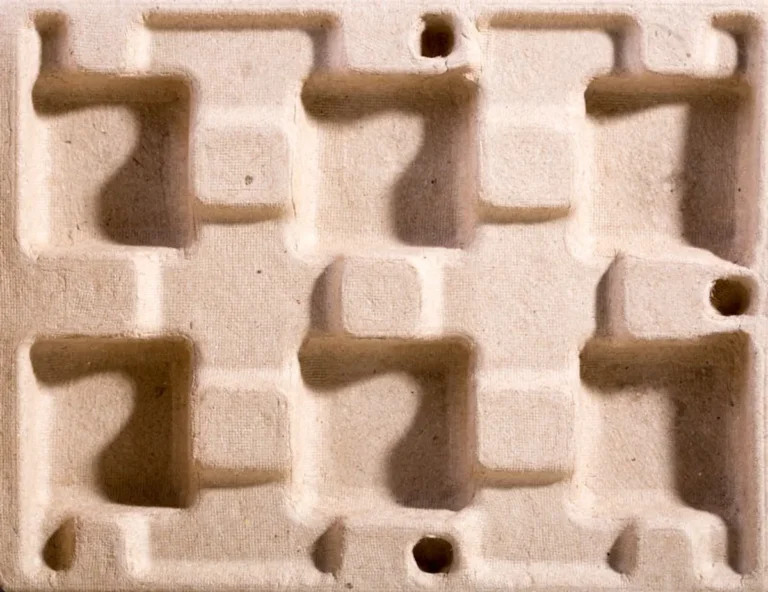
Materials like bagasse (sugarcane pulp) and bamboo fiber are byproducts of agricultural processes, making them renewable and often industrially compostable. They offer sturdy, opaque alternatives for items like plates, bowls, and clamshell containers. These materials are generally free from plastic linings, relying on the natural fiber matrix for structural integrity and some moisture resistance. Their natural, unbleached appearance can also align with specific brand aesthetics.
Assessing Performance and Shelf Life
Compostable packaging must perform reliably throughout the supply chain and consumer use, protecting the product until its intended end-of-life.
Barrier Properties and Product Protection
Different products require varying levels of protection against moisture, oxygen, and grease. Businesses must match the barrier properties of the compostable material to their product's specific needs. For example, dry goods may require minimal moisture barriers, while fresh produce or oily foods demand more robust protection to prevent spoilage and maintain product quality. Inadequate barrier properties can lead to product damage, waste, and ultimately, consumer dissatisfaction.
Durability and Handling
Packaging must withstand the rigors of shipping, storage, and consumer handling. Some compostable materials, particularly certain bioplastics, can be more brittle or sensitive to temperature fluctuations than conventional plastics. Testing packaging under real-world conditions – including transit, stacking, and refrigeration/freezing – is essential to ensure it maintains structural integrity and protects the product effectively. This prevents breakage, leaks, and other issues that impact product integrity and brand reputation.
Cost Implications and Value
Compostable packaging often carries a higher per-unit cost than traditional plastic alternatives due to specialized materials, manufacturing processes, and smaller production scales. Businesses must evaluate this cost against potential benefits, including enhanced brand image, compliance with regulations, and consumer preference for sustainable options. A comprehensive cost analysis should include not just the unit price, but also potential savings from reduced waste disposal fees (where applicable) and the long-term value of meeting sustainability goals.
Pro Tip: When evaluating compostable packaging suppliers, request detailed technical data sheets for all materials. These documents should specify barrier properties (e.g., WVTR, OTR), temperature tolerances, and confirmed certification numbers. Relying solely on marketing claims without underlying data can lead to performance issues or misrepresentation of compostability.
Supply Chain and Logistics
Integrating compostable packaging into an existing supply chain requires careful planning. Businesses should assess lead times for custom orders, minimum order quantities, and storage requirements for new materials. Some compostable materials may have specific storage conditions (e.g., temperature, humidity) to maintain their integrity before use. Establishing reliable relationships with suppliers who understand these nuances is critical for consistent supply and quality control.
Branding and Consumer Perception
Adopting compostable packaging can significantly enhance a brand's sustainability narrative, resonating with environmentally conscious consumers. Clearly communicating the compostable nature of the packaging, along with proper disposal instructions, is vital. Using recognized certification logos on the packaging helps build trust. However, vague claims or confusing disposal guidance can undermine these efforts, potentially leading to consumer frustration or incorrect disposal, which defeats the environmental purpose.
Practical Wrap-Up: Implementing Your Compostable Packaging Strategy
Transitioning to compostable packaging is a strategic business decision requiring thorough research and planning. Begin by defining your specific product needs and the desired end-of-life scenario for your packaging. Prioritize suppliers who offer transparent certification documentation and can provide performance data relevant to your application. Conduct pilot tests to ensure the packaging performs adequately across your supply chain and with your product. Finally, develop clear consumer-facing messaging regarding proper disposal to maximize the environmental benefit and reinforce your brand's commitment to sustainability.
Frequently Asked Questions
- What is the difference between biodegradable and compostable packaging? Biodegradable simply means a material will break down over time, but it doesn't specify the timeframe or the resulting byproducts. Compostable packaging, however, is certified to break down into non-toxic components within a specific timeframe (typically 90-180 days) under specific composting conditions, leaving no harmful residues.
- Can all compostable packaging be put in a home compost bin? No. Most certified compostable packaging requires the higher temperatures and controlled conditions of industrial composting facilities to fully break down. Only packaging specifically labeled "home compostable" is suitable for backyard composting.
- How can businesses verify compostable claims from suppliers? Always request proof of third-party certification from recognized bodies like BPI, TÜV AUSTRIA, or DIN CERTCO. These certifications provide objective verification that the material meets established compostability standards.
- Does compostable packaging affect product shelf life? It can. Some compostable materials may have different barrier properties or sensitivities to environmental factors compared to traditional plastics. Businesses must test the chosen compostable packaging with their specific products to ensure adequate protection and maintain desired shelf life.

Start the conversation
Thoughtful disagreement welcomed. Promotional links quietly removed.